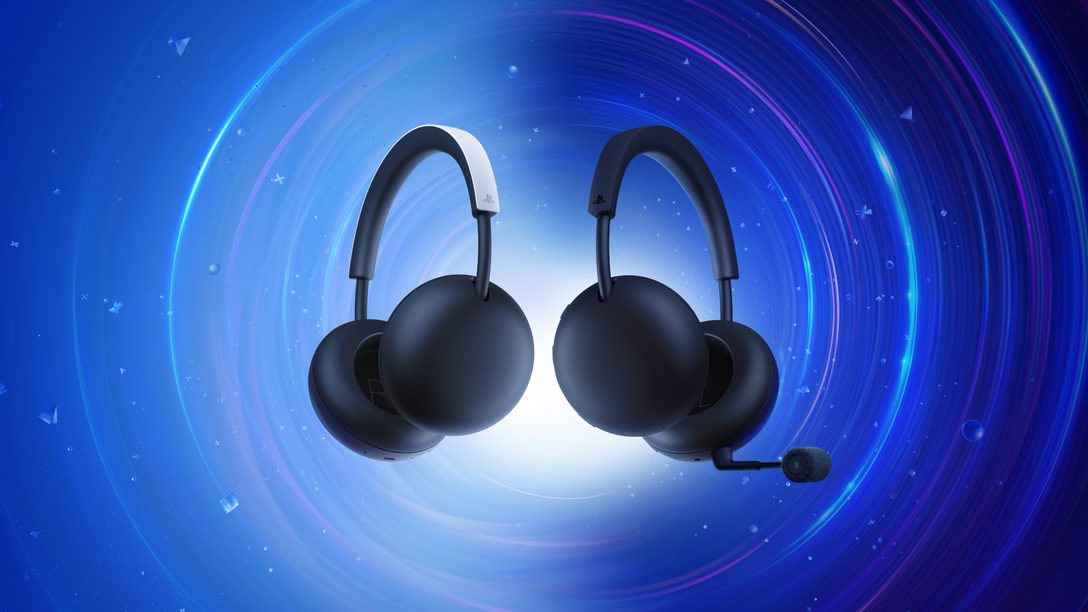
Looking for PlayStation PULSE noise cancelling? The standard wireless headset does not have active noise cancellation (ANC). It has AI-powered microphone noise rejection instead, which helps other people hear your voice more clearly without reducing the sounds you hear around you.
It’s an easy difference to miss when you’re comparing Sony’s headsets. Both features deal with background noise, but they work in opposite directions. Here’s how the standard PULSE handles chat, what PULSE Edge adds and whether you can turn ANC on through your PS5.
PlayStation PULSE noise cancelling: does the headset have ANC?
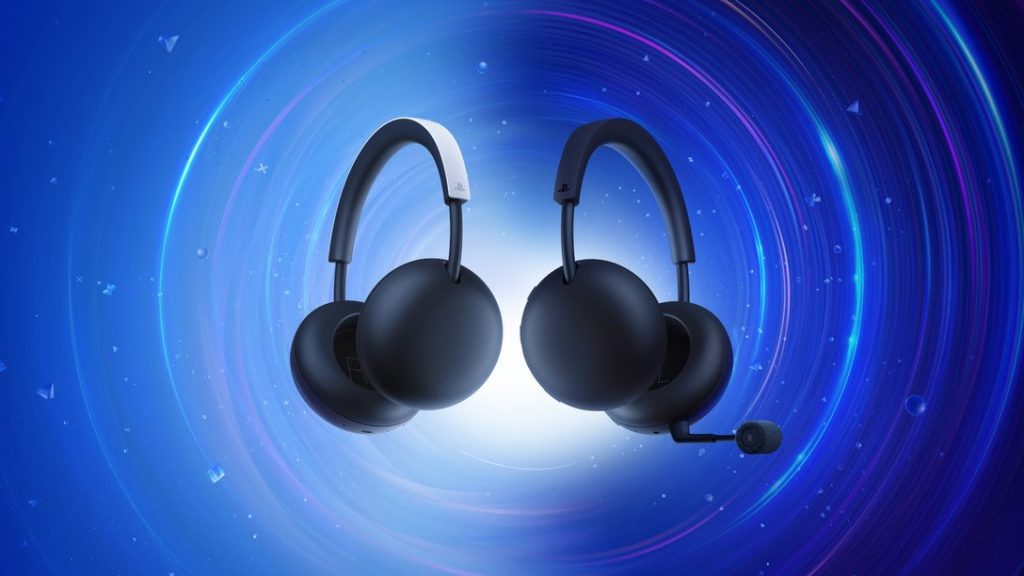
No. Sony’s official hardware comparison lists active noise cancellation on PULSE Edge only. The standard model uses a built-in microphone with AI noise rejection. There isn’t a hidden PlayStation PULSE noise cancelling setting you can enable later, because the headset doesn’t include ANC.
That answer is the same whether you’re using PS5, PlayStation Portal, PC, Mac or a Bluetooth phone. PlayStation Link changes how your game audio reaches the headset, not how much room noise it cancels. Sony’s planar magnetic drivers and PS5 3D Audio also concern game sound rather than ANC.
What does AI microphone noise rejection actually do?
Imagine you’re chatting to friends while a fan is running beside you. Your microphone picks up your voice along with some of that background sound. Sony’s AI filtering processes the outgoing voice signal to help reduce the unwanted noise that reaches your teammates.
Your friends benefit from clearer chat, but you can still hear the fan yourself. When people talk about PlayStation PULSE noise cancelling during voice chat, this microphone filtering is usually what they mean. It’s not the same as the headset making your surroundings quieter.
What’s the difference between noise rejection and ANC?
Active noise cancellation uses microphones and processing to reduce ambient sound heard by the person wearing the headphones. It can be especially useful against steady sounds, such as a fan or the rumble of a journey.
Microphone noise rejection works the other way round. It cleans up the voice signal you’re sending to someone else. And neither feature is the same as passive isolation, where earcups simply cover your ears and soften some outside sound.
PlayStation PULSE noise cancelling compared with PULSE Edge
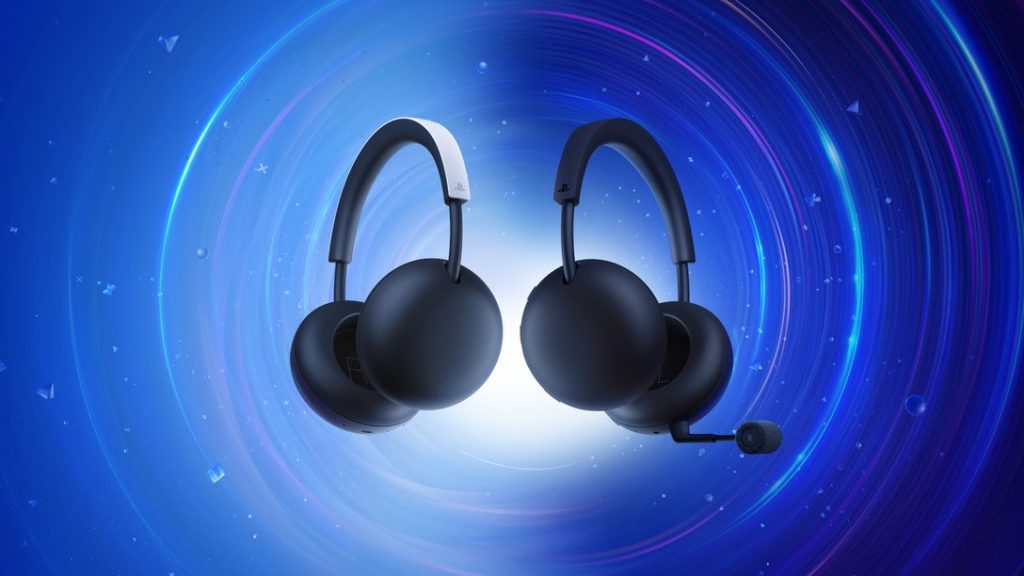
PULSE Edge has active noise cancellation for the listener as well as AI microphone noise rejection for voice chat. It also has a detachable boom mic and a hidden microphone you can use when the boom is removed. The standard PULSE has an integrated microphone rather than a detachable one.
Edge also includes eight magnets per planar driver, compared with four in standard PULSE, along with physical PS5 game and chat balance controls, an audio jack and a carrying case. Sony has announced an early 2027 release for Edge. The standard headset launches in the UK on 19 November 2026 for £89.99.
Does PULSE Elite have active noise cancellation?
PULSE Elite uses AI-enhanced microphone noise rejection, not listening-side ANC. Its microphone retracts into the headset, and Sony supplies a charging hanger. It offers up to 30 hours of rated battery life, but it’s not an ANC alternative to Edge.
For the other hardware differences, see our PULSE versus PULSE Elite comparison.
Can you enable PlayStation PULSE noise cancelling in PS5 settings?
No. You can adjust volume and chat balance through supported controls and PS5 audio settings, but software can’t add hardware ANC. Switching between Bluetooth and PlayStation Link won’t activate PlayStation PULSE noise cancelling either.
The headset’s earcups can still provide ordinary physical coverage over your ears. That’s different from electronic cancellation and isn’t a feature you switch on.
Which headset makes more sense in a noisy room?
If your friends complain about hearing noise behind you during chat, the standard PULSE offers AI microphone noise rejection and costs £89.99 in the UK. If you’re trying to make a noisy room quieter for yourself, PULSE Edge is the Sony model in this pair with confirmed ANC.
The PlayStation PULSE noise cancelling decision comes down to whose audio you’re trying to improve. Standard PULSE helps clean up what other people hear from your microphone; Edge also reduces some of the noise reaching your ears.
Related Guides
PlayStation PULSE Release Date and UK Price
PlayStation PULSE vs PULSE Edge
PlayStation PULSE vs PULSE Elite
PlayStation PULSE Edge Features
PlayStation PULSE Edge Release Date
PlayStation PULSE With PlayStation Portal
Sony lists both headsets and their noise features in its official PlayStation announcement.