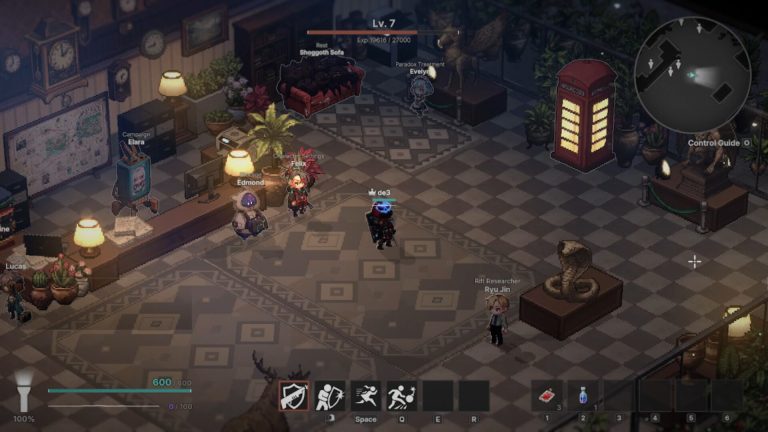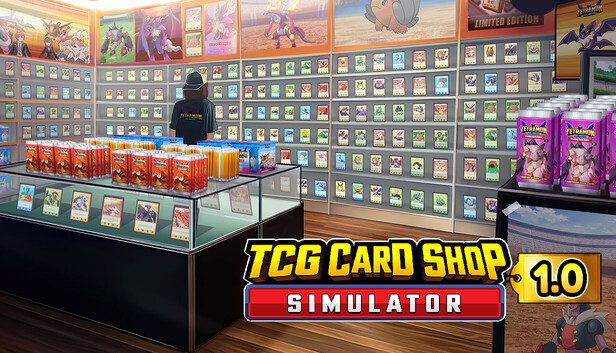
TCG Card Shop Simulator Beginner’s Guide starts with a shop that needs cash more than it needs to look impressive. Buy stock you can actually afford to replace, keep the checkout moving, unlock new systems only when the business can support them and treat pack opening as both progression and a cost rather than free entertainment.
The 1.0 release is much larger than the original Early Access launch, so a new player now meets workers, expansions, card grading, customer trades, events, tournaments and playable Tetramon during the same save. You do not need to optimise all of them at once.
TCG Card Shop Simulator Beginner’s Guide – Your First Priorities
- Keep reliable products on the shelves.
- Price around the current market rather than using one permanent number.
- Save a cash buffer before buying licences or expansions.
- Open some packs for XP and collection progress, but keep sealed stock to sell.
- Add Play Tables when you can afford the floor space.
- Hire staff when checkout or restocking becomes a real bottleneck.
- Use the Workbench and playable Tetramon after it unlocks rather than rushing there broke.
Do Not Buy Every Licence Immediately
A new licence is exciting because it creates another category to sell, but it also asks you to buy the stock behind it. Unlocking products faster than the cash flow can support leaves a store full of empty labels.
Add inventory when the current product mix has become comfortable. Higher-value boxes, accessories, figurines and other profitable lines are useful because they increase what one customer can spend without requiring dozens of tiny transactions.
Keep Some Products Sealed
Opening packs is fun, awards XP and can produce valuable cards, but sealed packs and boxes are also merchandise. If you rip everything that arrives, you turn predictable retail revenue into a search for a lucky pull.
A balanced approach supports both the money-making loop and the rare-card hunt.
Price for Turnover, Not Ego
Market prices move. Check them and adjust rather than assuming yesterday’s markup is still reasonable. A slightly smaller margin that sells consistently can outperform stock that sits untouched because you were determined to squeeze every possible dollar from one item.
Customer feedback is useful. If too many shoppers repeatedly reject the same price, the shelf is telling you more than a theoretical spreadsheet.
Use Play Tables as a Second Business
Play Tables let customers spend money on games while the retail side continues. Completed games also contribute to shop progression, so a small play area can do more than decorate the room.
Use our card-games guide for event setup and the existing tournament guide when you are ready for organised events.

Hire When You Feel the Bottleneck
The phone’s GO Recruit app unlocks employees as your shop level rises. Do not hire because an employee exists; hire because you are losing time or sales to a queue, empty shelves or constant running between jobs.
Our worker guide explains why checkout and restocking speed should match the problem rather than simply choosing the most expensive employee available.
Expand for Capacity, Not Empty Floor
RENO BIGG adds permanent space and raises rent. Expansions also increase customer capacity and spending potential, which makes them valuable once the existing footprint is genuinely limiting the store.
The expansion guide and layout guide are worth using together before you demolish a profitable floor plan.
Start Tetramon With a Simple Deck
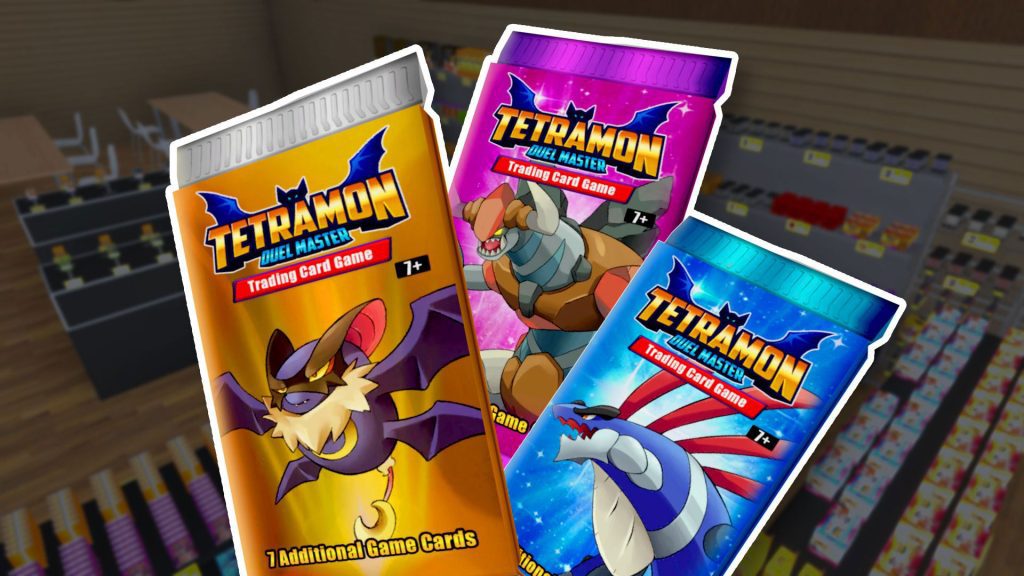
Version 1.0’s headline feature unlocks through the Workbench. Build a legal 50-card deck with dependable Basics and complete evolution lines before chasing elaborate combos. The first objective is to make legal plays every turn.
The Tetramon beginner’s guide takes over from here, while the existing deck-building guide goes deeper once the rules make sense.
What Should You Work Toward?
A healthy mid-game shop has multiple income sources, enough stock to survive a busy day, staff handling repetitive work and enough free cash that one expansion or grading bill does not empty the account. The exact décor and product mix can then become personal rather than desperate.
Version 1.0 is designed to let you run a card shop and actually engage with the cards. The best beginner route is the one that reaches those systems without making every new unlock a financial emergency.
The official Steam page describes the core shop loop, while the 1.0 notes show how much that loop has expanded since Early Access.
Related TCG Card Shop Simulator Beginner’s Guide guides
TCG Card Shop Simulator Beginner’s Guide