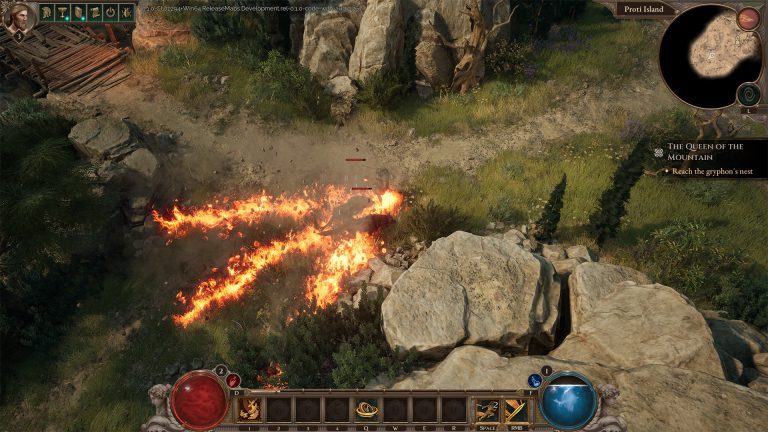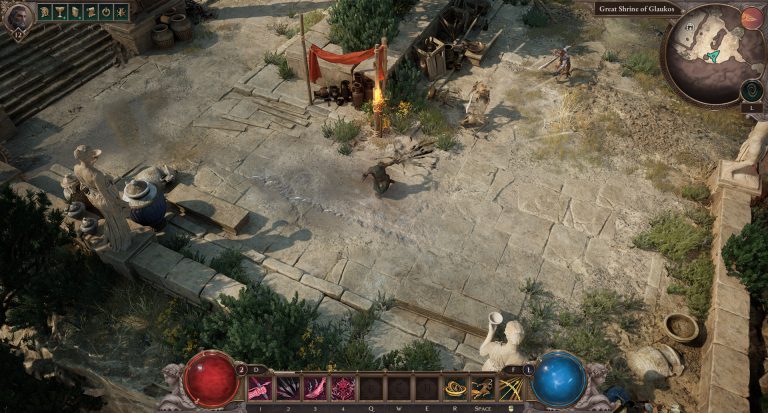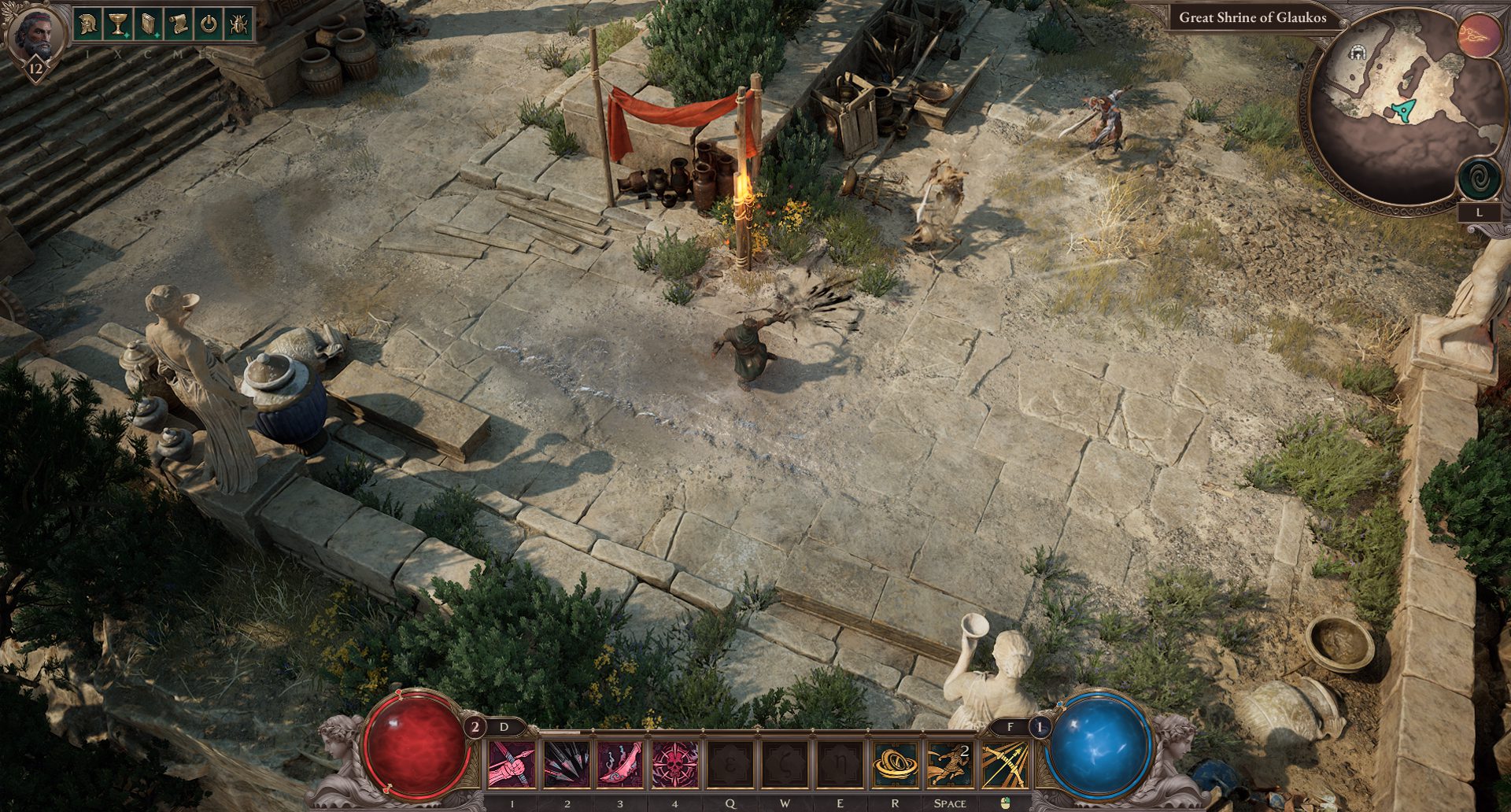
Titan Quest II class combinations number 15 because you combine two of the game’s six Masteries: Earth, Storm, Warfare, Rogue, Forge and Spirit. You can mix any two, from a fiery melee warrior to a summoner supported by mechanical traps. Each pair is a starting point, not a rigid character with one fixed skill bar.
The fifteen Titan Quest II class combinations can play very differently because selected abilities, modifiers, attributes and equipment change the result. Here are all 15 unique Mastery pairings, what each brings to combat and which players might enjoy the combination. Earth plus Storm counts once, not twice, even if you pick them in the opposite order.
All 15 Titan Quest II class combinations
The pairing list below uses the actual Mastery names. The game lets you develop a hybrid around their abilities, so a description is a playstyle direction rather than an invented official class title. There are five Earth pairings, four additional Storm pairings, three additional Warfare pairings, two additional Rogue pairings and one remaining Forge plus Spirit pairing.
| Pairing | How it plays |
|---|---|
| Earth + Storm | Combines fiery and stone-based area attacks with lightning, cold and control. It suits a spell-focused character who wants several ways to hit groups and keep enemies from closing in. |
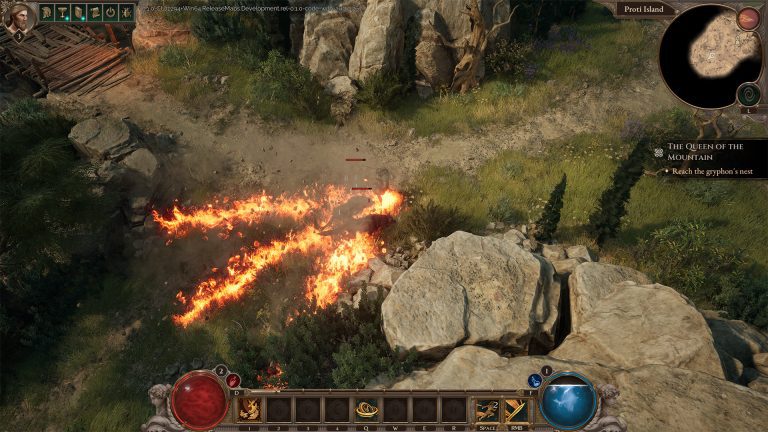
| Earth + Warfare | Brings fire and stone damage alongside direct weapon combat. The result suits anyone who wants a melee foundation with elemental options for crowds. |
| Earth + Rogue | Adds poison and piercing attacks to fire and stone magic. This pairing gives an agile weapon user access to area attacks rather than relying entirely on one target. |
| Earth + Forge | Combines elemental effects with reinforced armour, blade traps, sentry turrets and automatons. It creates a character capable of controlling an area while mechanical helpers do their work. |
| Earth + Spirit | Mixes undead summoning and life-force magic with fire and stone. It appeals to players who want summoned support while using damaging spells themselves. |
| Storm + Warfare | Gives physical combat a layer of lightning, frost and enemy control. Good for a close-range character who wants more ways to manage groups. |
| Storm + Rogue | Pairs poison and piercing with lightning and cold. Rogue attacks handle offense while Storm provides more elemental choices and control. |
| Storm + Forge | An example highlighted by THQ Nordic: combine traps and mechanical tools with Storm’s lightning effects. It fits a player who enjoys battlefield preparation. |
| Storm + Spirit | Uses undead summons alongside storm magic. A summoner can use lightning and frost to help control enemies while allies fight. |
| Warfare + Rogue | Combines two weapon-oriented approaches, with Warfare’s physical attacks complemented by Rogue poison and piercing. It offers a direct combat style with different attack options. |
| Warfare + Forge | Reinforces weapons and armour while adding turrets, traps and automatons around physical attacks. It suits players who want a durable fighter supported by devices. |
| Warfare + Spirit | Mixes personal weapon combat with undead summons and life-force magic, giving a melee hero companions in battle. |
| Rogue + Forge | Pairs precision and poison with traps, turrets and mechanical allies. It can create an ambush-oriented style centred on setting up an encounter. |
| Rogue + Spirit | The other official example: fight from the shadows while undead summons move ahead. It blends stealthy-style attacks with summoned support. |
| Forge + Spirit | Combines mechanical constructs, traps and equipment enhancement with undead companions and life-force spells. It’s the clearest pairing for anyone who enjoys fighting alongside several kinds of helpers. |
How to choose among Titan Quest II class combinations
When choosing between Titan Quest II class combinations, first decide how you want your hero to deal most of its damage. Warfare and Rogue are weapon-friendly foundations. Earth and Storm lean towards elemental attacks. Forge adds mechanical tools and defensive enhancement, while Spirit provides summons and life-force magic. Your second Mastery can reinforce the main approach or cover a weakness.
For a simpler start, choose Warfare if you enjoy direct fighting or Earth if you want fire spells. Forge and Spirit can be especially satisfying if you like managing allies and prepared defenses. The six-Mastery overview explains each specialisation separately.
Are Titan Quest II class combinations locked after selection?
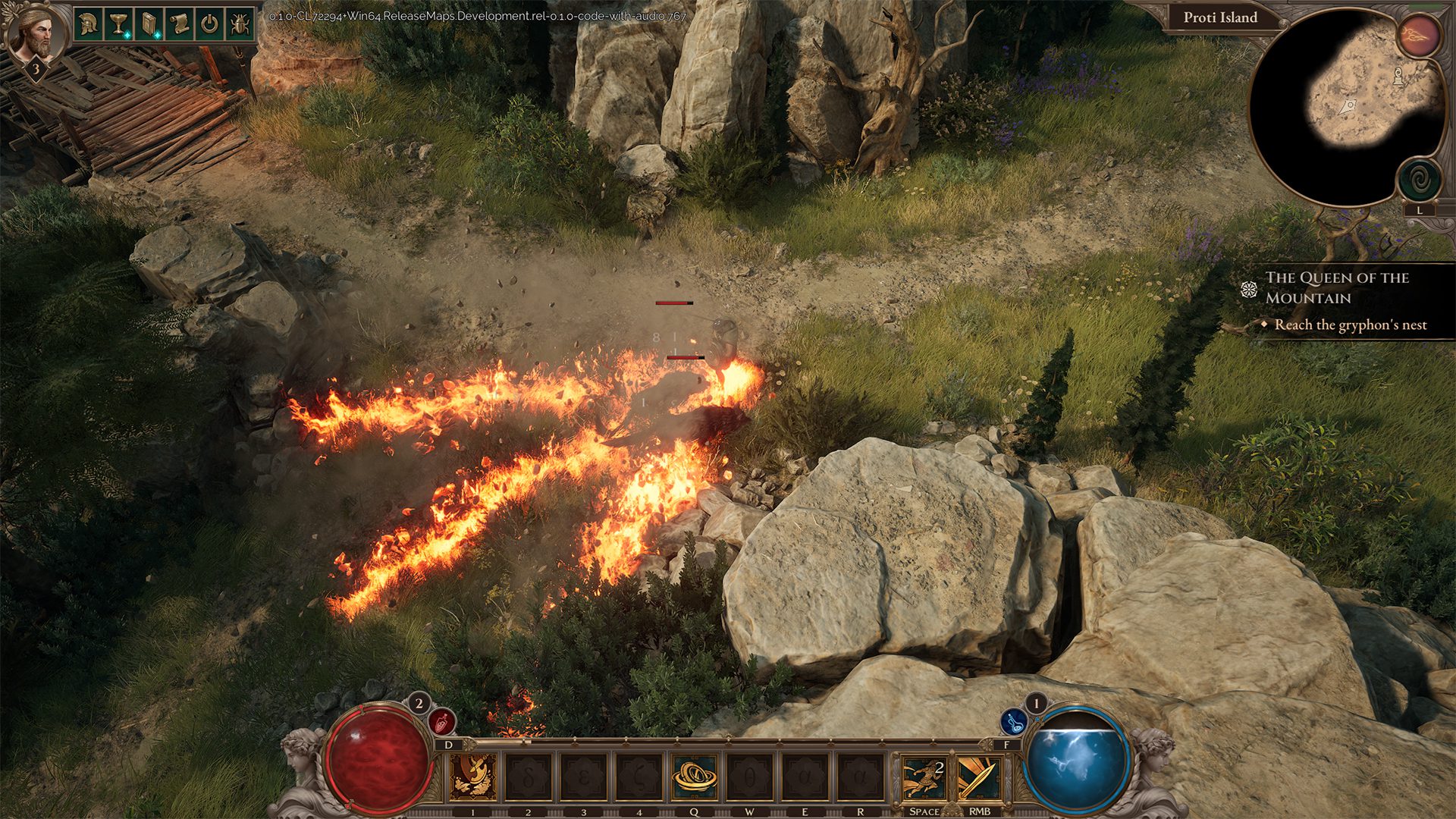
Titan Quest II lets you respec skills and attributes for Gold, so you can change how your build uses its chosen abilities. Modifiers can alter a skill’s actual behaviour, including turning a sweeping attack into a channeled whirlwind. This matters even when two players choose the same pairing.
The four attributes are Might, Agility, Vigor and Knowledge, and your gear supports your abilities. There isn’t one compulsory stat spread for every Earth and Storm player, since their selected skills can still be very different.
Which Titan Quest II class combinations include Forge and Spirit?
The five Titan Quest II class combinations that include Forge pair it with Earth, Storm, Warfare, Rogue or Spirit. Spirit also pairs with Earth, Storm, Warfare and Rogue. Both Masteries are already playable on PC in October 2026, alongside the four original Masteries. Their skills remain subject to the normal Early Access balance updates.
For exact skills and the way summons work, use our Forge Mastery guide and Spirit Mastery guide. Those focus on the mechanics within each specialisation rather than the overall pairing list.
How many Titan Quest II class combinations are possible at release?
Titan Quest II class combinations total 15 unique pairings at the January 19, 2027 launch, because the six Masteries are selected two at a time. Each has multiple build directions through ability modifiers and equipment, so fifteen is the number of Mastery pairs, not a limit on possible character builds.
Choose a pair that matches what you want to do in combat, then use Gold respecs to refine skills and attributes as you experiment. That is how the system is designed to stay flexible.
Related Guides
Official source: THQ Nordic’s official Titan Quest II website.