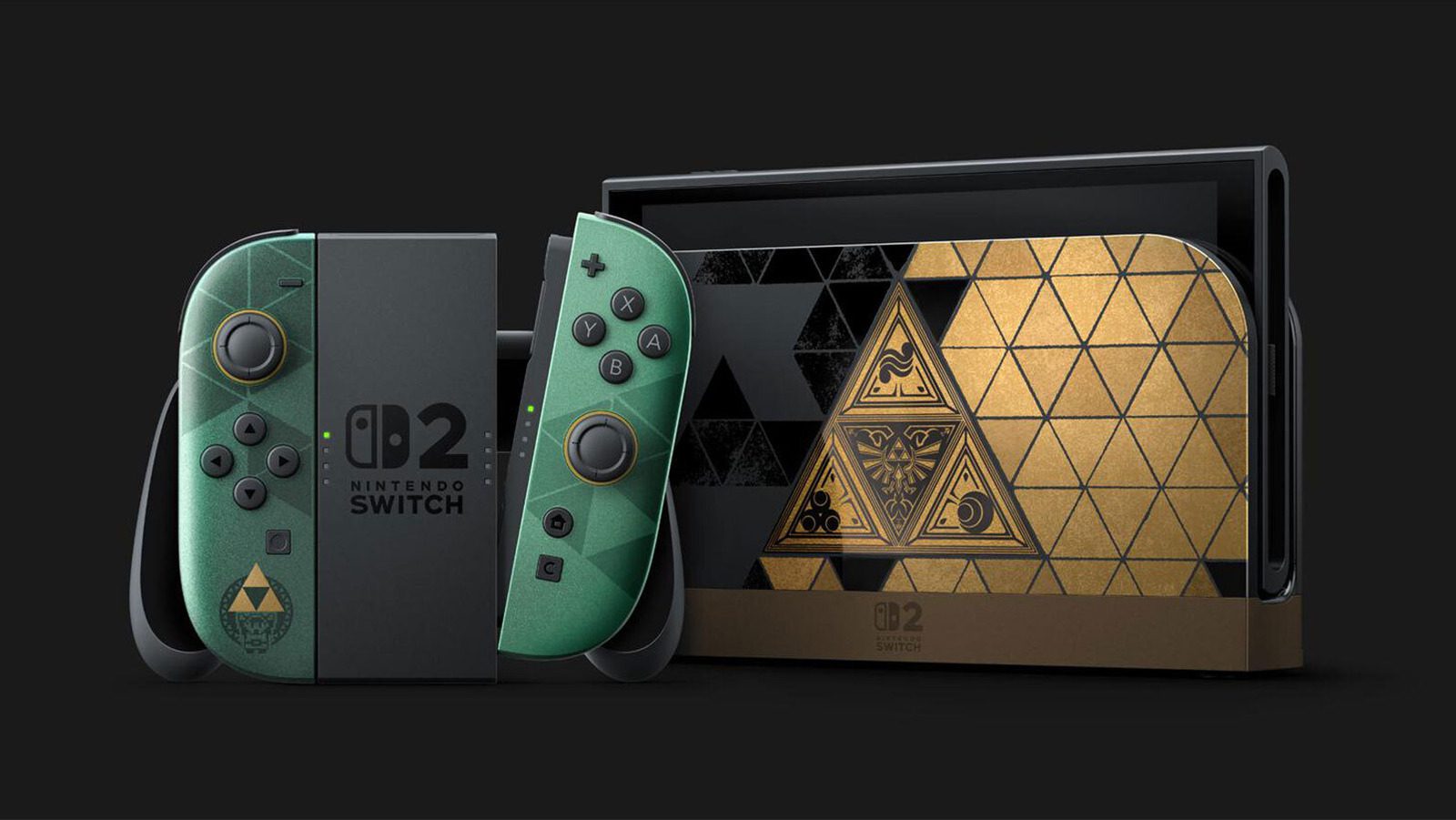
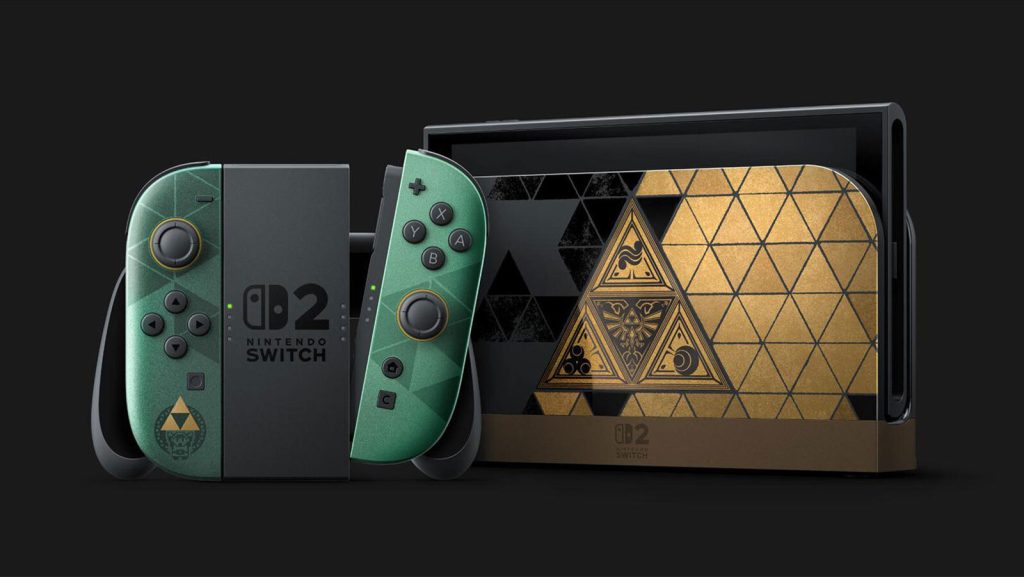
Ocarina of Time Switch 2 motion controls are confirmed for aiming tools such as the Fairy Slingshot and bow. Nintendo describes motion input as a precision option while discussing the remake’s revised equipment controls.
That means gyro-style aiming is part of the game, but it does not mean every action requires you to move the controller.
| Motion support | Yes |
|---|---|
| Confirmed use | Precision aiming |
| Examples | Slingshot and bow |
| Normal controls | Buttons and sticks still used |
| Ocarina microphone | Separate microphone feature, not motion control |
Ocarina of Time Switch 2 motion controls: where motion aiming is used
What uses motion controls?
Nintendo specifically points to slingshots, bows and other tools that benefit from precision aiming. These are the actions where small controller movements can help line up a shot more naturally than large stick corrections.
Ocarina of Time Switch 2 motion controls therefore fit the same kind of aiming role seen in other modern Zelda releases rather than replacing movement or sword combat.
Can you still use normal controls?
Yes. Nintendo’s game page describes a broad modern control scheme with Right Stick camera movement, button commands for jumping, dashing and standard button input for ocarina songs. Motion aiming sits alongside those controls.
There is no announcement that Ocarina of Time Switch 2 motion controls are mandatory for general play. The feature is presented as an aiming method for suitable tools.
Humming ocarina songs is not motion control
The remake also uses the built-in Switch 2 microphone, which may sound like another sensor-based control feature, but it is separate. Players can hum a learned ocarina melody and have Link perform it in game.
Ocarina of Time Switch 2 motion controls read controller movement, while the ocarina feature listens for audio. Players can also perform the melodies with normal button input if they prefer.
How this changes the Nintendo 64 experience
The original game relied on the Nintendo 64 analogue stick and targeting system for precise ranged shots. Switch 2 gives Nintendo more input options, including a Right Stick camera and motion sensors.
For returning players, Ocarina of Time Switch 2 motion controls should make ranged aiming one of the most immediately modernised parts of the remake, while the core weapons and targets remain familiar.
Motion input is an aiming tool, not the whole control scheme
Ocarina of Time Switch 2 motion controls are most relevant when precision matters, such as lining up a slingshot or bow shot. Movement, jumping and camera control still have conventional stick and button inputs.
That makes Ocarina of Time Switch 2 motion controls an optional-feeling layer within a broader modern control rebuild rather than a Wii-style system where every action depends on gestures.
The microphone feature is a different sensor system
It is easy to lump every unusual input together, but Ocarina of Time Switch 2 motion controls and microphone song recognition are separate features. Motion aiming reads controller movement, while humming uses the Switch 2 microphone to recognise a learned melody.
Both are optional-feeling modern additions layered on top of traditional controls, and neither turns the entire remake into a gesture-driven game.
For players who dislike gyro aiming, the important point is that Nintendo describes motion as part of precision aiming rather than the only way to use ranged equipment. The broader control scheme still relies on sticks and buttons, so the remake is not being rebuilt around compulsory physical gestures.
For the official product information behind these details, see Nintendo.