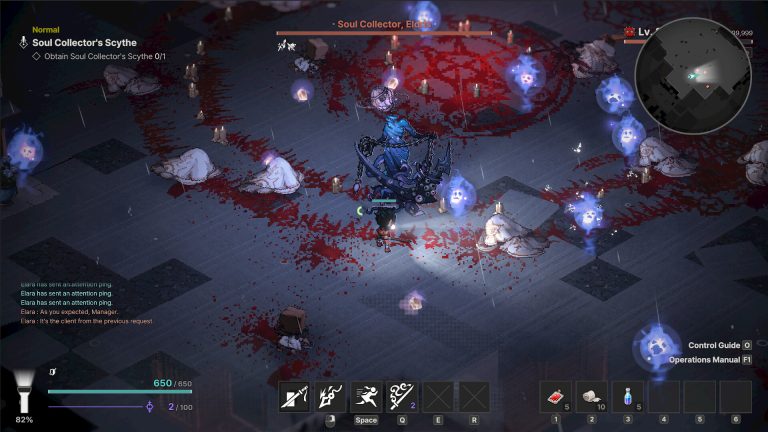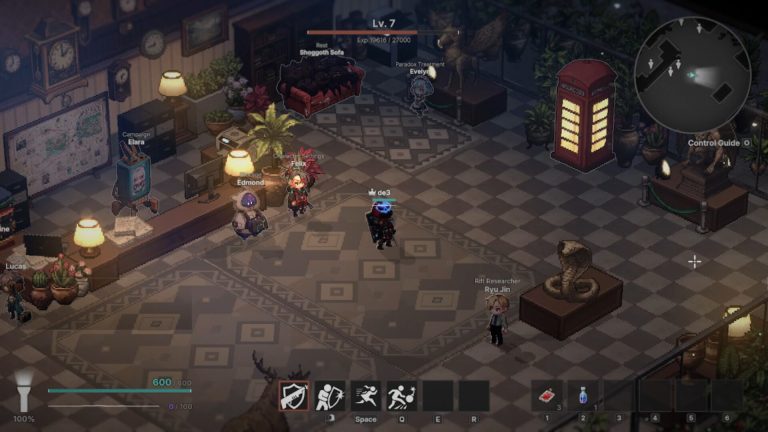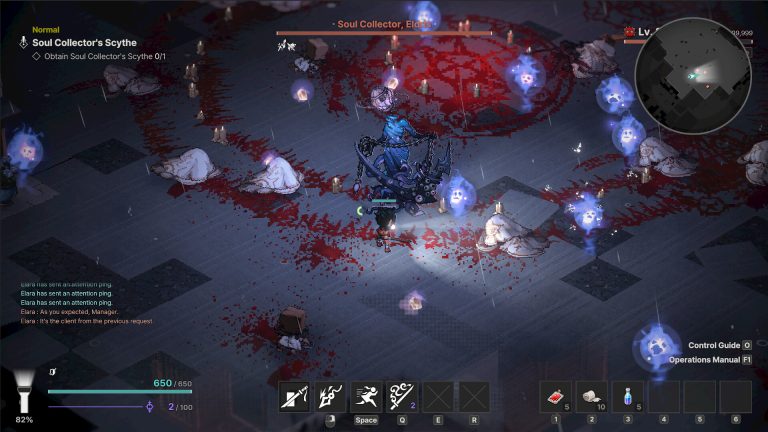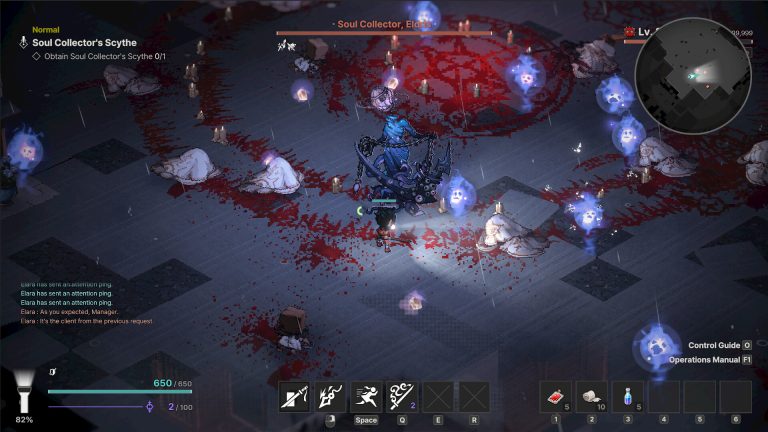
Shape of Dreams Identity Memories Guide explains one of the biggest build changes in The Starless Path 1.4 update: six shared Common Identity Memories can now replace the normal Identity Memory attached to a Traveler. That opens a new route for changing a character's core passive rather than only modifying active abilities during a run.
Identity Memories already mattered before the update because each Traveler begins with an Identity Memory that helps define how the character plays. Shape of Dreams Identity Memories Guide becomes more important after September 17 because those passives are no longer limited to the Traveler's usual choices once the new shared options are found.
Shape of Dreams Identity Memories Guide: what changed
Shape of Dreams Identity Memories Guide Image NEOWIZ / Lizard Smoothie.
Shape of Dreams Identity Memories Guide begins with the six Common Identity Memories added in version 1.4. Lizard Smoothie describes them as shared options, while the PlayStation launch explanation calls them Universal Identity Memories. Their purpose is the same: they can be used in place of a Traveler's normal Identity Memory.
That is a much larger change than finding another standard Memory. The Traveler Memory is an active skill, while the Identity Memory is a passive that sits at the foundation of the character. Swapping that passive can change the assumptions a build normally makes about survivability, damage or utility.
The update notes say players uncover these options by progressing through the game and discovering secrets in the Rapids. Shape of Dreams Identity Memories Guide does not pretend the developer has published a complete six-item acquisition table, because it has not. The confirmed system is that the new Common Identity Memories are found through progression and can replace the Traveler-specific passive.
The official Shape of Dreams Steam page is the main PC storefront if you need to confirm your installation before looking for version 1.4 content.
What is an Identity Memory?
Shape of Dreams Identity Memories Guide is easier to understand if you separate Identity Memories from the normal abilities picked up during a run. Every Traveler has defining starting traits, including an active Traveler Memory and a passive Identity Memory. Before a run, those choices help establish what the character does well before random loot begins changing the build.
A normal Memory is something you can build around, upgrade or replace as the run develops. An Identity Memory is closer to the character's underlying passive identity. That is why allowing six shared Common options creates so much more build flexibility than simply adding six ordinary Memories to the loot pool.
The system is especially interesting on Travelers whose standard passives strongly encourage one style of play. Shape of Dreams Identity Memories Guide gives those characters a route toward combinations that previously could not exist because the passive slot was tied to the Traveler.
How do you get the new shared Identity Memories?
Shape of Dreams Identity Memories Guide has one confirmed acquisition direction but not a complete location list yet. The developers say to progress through the game, uncover secrets hidden throughout the Rapids and replace your Traveler's Identity Memory. They have not named all six Common Identity Memories or published a fixed room-by-room route in the launch notes.
That means the useful approach is to keep exploring the new 1.4 content rather than looking for a store purchase or platform entitlement. These are gameplay unlocks inside The Starless Path, not Xbox or PlayStation bonuses.
As exact discoveries become reproducible, the individual acquisition methods can be split into their own guides. Until then, Shape of Dreams Identity Memories Guide keeps the confirmed mechanics together without inventing names, drop rates or locations.
Can any Traveler use the shared Identity Memories?
The update describes the six as shared or Universal, so Shape of Dreams Identity Memories Guide applies across the roster rather than to Cetus alone. They are specifically designed to replace a Traveler's normal Identity Memory and open new possibilities for different characters.
That does not mean every combination will automatically be strong. A passive that works brilliantly with one Traveler's kit may do much less for another. The value of the system is experimentation: you can test a different foundation and then build Memories, Essences and Stars around the result.
Cetus arrives in the same patch and is built around Cold, ranged pressure, battlefield control and shielding. If you have not unlocked him yet, our How to Unlock Cetus in Shape of Dreams guide covers the Piles of Snow requirement.
How Identity Memories fit with Way of Stars
Shape of Dreams Identity Memories Guide covers run-building flexibility, while Way of Stars handles the expanded long-term progression for each Traveler. They launched together, but they solve different parts of the game.
Way of Stars connects character episodes like constellations and awards illustrations, limited Emotes and unique Souvenirs. Progressing through it eventually opens The Starless Path ending route. The shared Identity Memories instead affect how a Traveler can be built when you enter the Rapids.
Our Shape of Dreams Way of Stars Guide covers that progression system in detail. Console players can also use Shape of Dreams Xbox Release for the September 17 launch details or Does Shape of Dreams Have Crossplay? for co-op compatibility.
The key takeaway from Shape of Dreams Identity Memories Guide is that version 1.4 does not merely add more loot. It changes a previously character-bound passive slot into another place for experimentation once the new shared memories are discovered.
THE CLICK · MORE GUIDES