100 Days At Sea Beginner’s Guide starts with the raft, not the bosses. Your first job is to make the base stable enough that hunger, darkness and resource shortages stop controlling every decision. Use the Harpoon to pull floating materials toward the raft, expand the platform, keep the Bonfire supplied and establish a dependable food source before sailing off after every island marker.
The biggest mistake in a 100 Days At Sea Beginner’s Guide is treating exploration as progression before the base can survive without constant attention. 100 Days At Sea gets more dangerous as the run moves forward, so early Wood, food, fuel and basic structures create the breathing room needed for weapons, islands and bosses later. The official game description puts the loop in the right order: gather resources, build the raft, explore the sea, then take on fearsome foes.
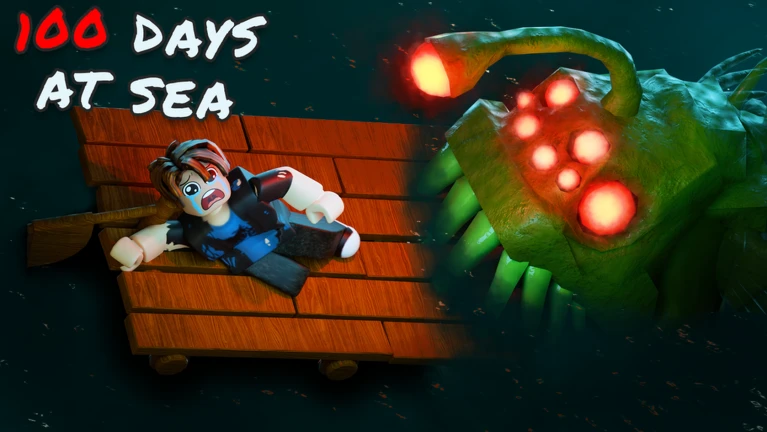
100 Days At Sea Beginner’s Guide: First Priorities
- Harpoon floating resources instead of wasting time swimming for everything.
- Expand the raft enough to support survival structures.
- Keep the Bonfire fuelled.
- Build a reliable food loop as early as possible.
- Upgrade into ranged combat before difficult islands.
- Explore only when the raft can survive your absence.
That order keeps the 100 Days At Sea Beginner’s Guide focused on staying alive rather than collecting flashy loot while the home base collapses.
Build a Food Supply Early
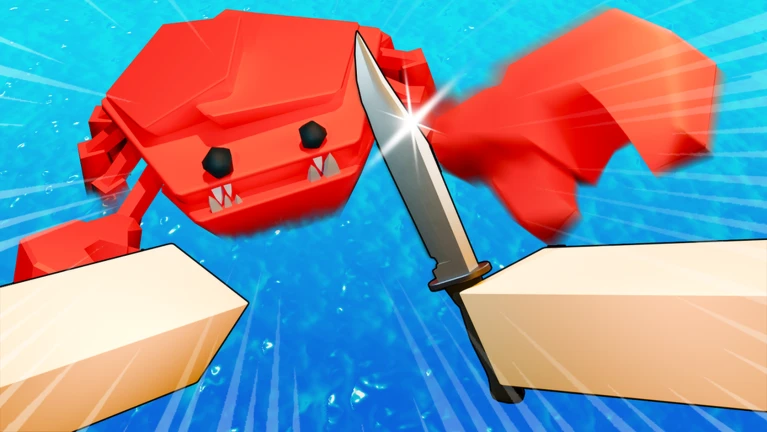
Food stability is one of the biggest turning points in a 100 Days At Sea Beginner’s Guide. Community-tested early routes prioritise structures such as Crab Traps and cooking tools because they reduce the amount of time spent reacting to hunger.
Once food is automated or at least predictable, more of the day can be spent gathering metal, exploring islands and improving equipment.
Upgrade the Bonfire
The Bonfire is central to a 100 Days At Sea Beginner’s Guide because nights become much less forgiving when the base is poorly prepared.
Keep fuel in reserve instead of feeding every scrap immediately. Weather and night pressure can turn a comfortable fuel supply into an emergency surprisingly quickly.
Get a Ranged Weapon
A gun or strong ranged option changes the 100 Days At Sea Beginner’s Guide dramatically.
Melee is fine for weak early enemies, but dangerous islands and bosses are much easier when you can deal damage without standing on top of the threat.
Use Exploration to Improve the Run
Do not explore randomly in a 100 Days At Sea Beginner’s Guide. Leave the raft with a goal: a survivor, weapon, region, boss, resource or chest.
That reduces wasted sailing time and lowers the chance that the Bonfire or food supply becomes a crisis while you are far away.
Play Solo or With Friends?
Both work for a 100 Days At Sea Beginner’s Guide, but a group can split jobs between gathering, food, raft defense and exploration.
Solo players should be more conservative about long trips because every job stops when they leave the raft.
Your Real Goal
The objective behind the 100 Days At Sea Beginner’s Guide is to survive 100 days while uncovering the Bermuda Triangle mystery and getting richer and stronger along the way.
Do not spend every early material as soon as it appears; keeping a reserve makes repairs and emergency fuel much easier when a bad night arrives.
The official Roblox page explains the core gameplay loop used throughout this 100 Days At Sea Beginner’s Guide.