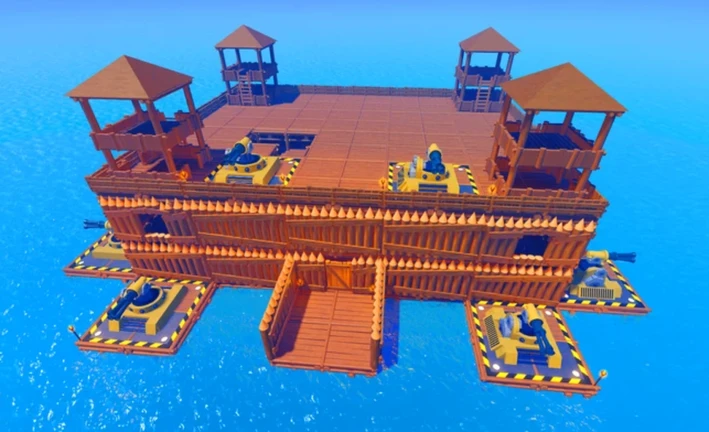
100 Days At Sea How to Survive 100 Days is less about winning one big fight and more about removing survival problems one by one. The safest runs establish food, fuel and a stable raft early, add ranged weapons before serious exploration and only take major risks when the base can survive the player being away. Reaching Day 100 is an endurance problem, so consistency beats a fast start that burns every resource.
The central rule for 100 Days At Sea How to Survive 100 Days is to stop living hand-to-mouth as quickly as possible. If every morning begins with an empty Bonfire, no food and a damaged raft, the run has no room for exploration. Build systems that keep those basics under control, then use the extra time to improve weapons, rescue useful survivors, explore islands and collect the gear that makes later nights easier.
100 Days At Sea How to Survive 100 Days: Survival Priorities
| Phase | Main priority |
|---|---|
| Early run | Food, Bonfire, raft expansion, resource gathering |
| Mid run | Better weapons, exploration tools, reliable materials |
| Late run | Boss rewards, strong defenses, high-tier gear, fuel reserve |
| Final days | Avoid unnecessary risk and protect the established base |
This phased approach makes 100 Days At Sea How to Survive 100 Days much more manageable than attempting every boss as soon as it appears.
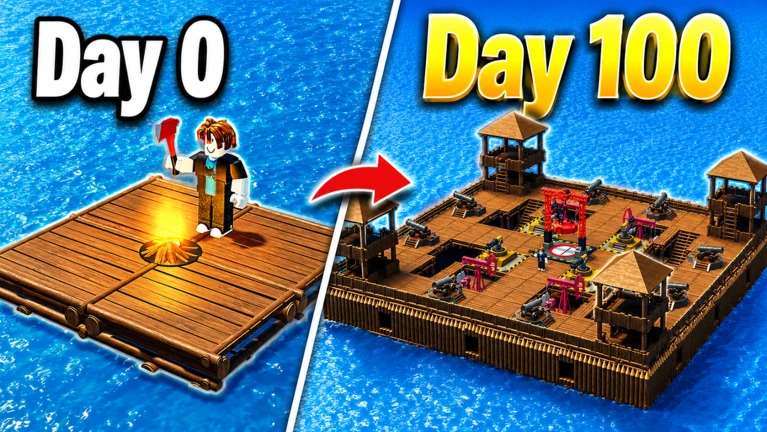
Keep the Bonfire Alive
The Bonfire is one of the most important parts of 100 Days At Sea How to Survive 100 Days. Treat fuel as a reserve, not something to waste.
A well-fuelled base gives you room to deal with weather and dangerous nights without abandoning every other objective to hunt emergency materials.
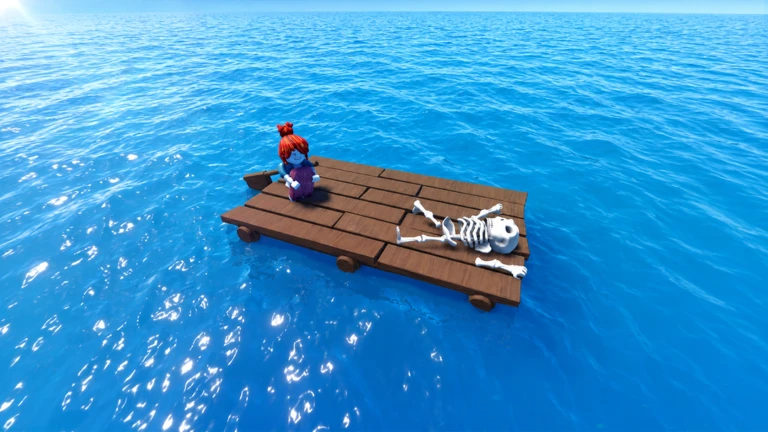
Automate Food
Reliable food turns 100 Days At Sea How to Survive 100 Days from constant crisis management into actual progression.
Crab Traps and cooking structures are useful early investments because they reduce the number of trips made purely to stop hunger.
Build for Defense, Not Decoration
Raft expansion matters in 100 Days At Sea How to Survive 100 Days, but useful space should come first.
Place survival structures where they are easy to reach during an attack, keep movement routes clear and avoid spending the whole early game on cosmetic building while weapons and food are weak.
Get a Good Gun Before Hard Regions
Ranged damage makes 100 Days At Sea How to Survive 100 Days safer because it lets you kill threats before they reach the player.
Bring ammunition for conventional firearms or use weapons with sustainable ammo systems when possible.
Do Not Overstay on Islands
Exploration is essential to 100 Days At Sea How to Survive 100 Days, but greed kills runs.
Once the objective is complete and the inventory contains valuable loot, returning home is usually smarter than staying for one more chest while night approaches.
Use Friends Efficiently
A group can simplify 100 Days At Sea How to Survive 100 Days by dividing responsibilities.
One player can manage the raft and fuel while others explore, gather or fight. In solo, those jobs all belong to you, so make shorter trips and keep larger reserves.
Day 100 Is the Goal, Not Day 99 Heroics
The final lesson in 100 Days At Sea How to Survive 100 Days is to stop taking unnecessary risks when the run is already healthy.
A healthy run should become easier to manage over time; if Day 60 feels more desperate than Day 10, food, fuel or damage progression has probably fallen behind.
The official Roblox description establishes survival, exploration, base building and the 100-day objective behind 100 Days At Sea How to Survive 100 Days.