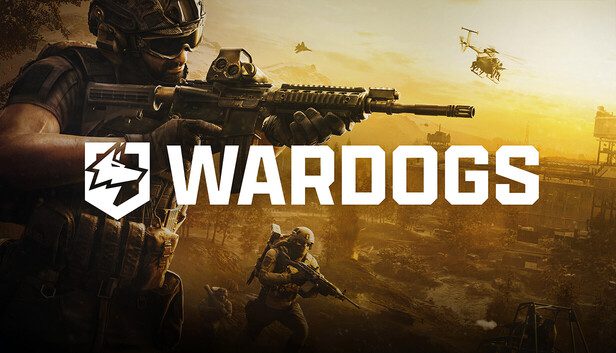
WARDOGS King of the Hill is the core ruleset behind the game’s 100-player battles, and the scoring is much simpler than the surrounding chaos makes it look. Three factions are fighting for the same objective rather than playing a normal two-team conquest mode.
The team with the largest presence inside the Control Zone earns one point every 30 seconds, and the first team to reach 100 points wins. WARDOGS King of the Hill therefore rewards surviving on the objective far more than simply winning fights somewhere else on the map.
WARDOGS King of the Hill uses three teams
Valkyra, Lonestar and Manticore all compete in the same match. That third faction matters because winning a fight against one enemy can leave your weakened team exposed to the other side arriving from a different route.
Two-team instincts can be misleading. WARDOGS King of the Hill rewards players who keep track of both enemies instead of assuming the battlefield becomes safe when one colour disappears.
The Control Zone is the only place that scores
Every 30 seconds, the team with the most players in the Control Zone earns the next point. Vehicles, snipers and logistics can all support that fight, but bodies inside the zone are what actually decide the scoreboard.
A team can dominate the kill feed and still lose. WARDOGS King of the Hill turns kills into a means of holding space rather than the main win condition.
The Control Zone moves between matches
The wider battlefield is much larger than the active 2×2 km scoring area, and Control Zone placement can change which roads, hills or settlements matter in a particular round.
That keeps the same map from producing one fixed opening every time. Players need to learn landmarks, transport routes and strong approaches rather than memorising one permanent objective layout.
First to 100 points wins
The score keeps ticking until one team reaches 100. Because only one faction wins a scoring interval, a handful of extra players surviving inside the zone can matter repeatedly over a long match.
WARDOGS King of the Hill often rewards coordinated reinforcements more than individuals trickling into a fight one by one. A squad arriving together has a better chance of changing the next scoring tick.
Revives are valuable because they preserve zone presence
A successful revive does more than save a teammate’s equipment. It returns another body to the objective without waiting for a fresh spawn and a long trip back from base.
That is why medical play is so strong around the Control Zone. WARDOGS King of the Hill creates a direct link between support work and the scoreboard even when the medic earns very few kills.
The Hot Zone is not the main objective
The Hot Zone exists as an economy incentive and can increase the money earned from fighting there, but chasing it should not be confused with winning the match.
If the team abandons the Control Zone for personal profit, WARDOGS King of the Hill will punish the decision on the scoreboard even if several players finish richer.
Know when to stop chasing kills
Once the area around the Control Zone is secure, pursuing retreating enemies too far can remove the very players needed for the next scoring interval. Sometimes the correct play is to stay put, revive casualties and prepare for the third faction.
WARDOGS King of the Hill is easiest to win when every fight is judged by what it does to the next point rather than how impressive it looks in the kill feed.
WARDOGS King of the Hill rewards coordinated respawns
WARDOGS King of the Hill becomes harder when teammates respawn and travel back one at a time, because the defending faction can remove each arrival before the next one appears. Waiting briefly for transport or a few squadmates can create a much stronger push.
That coordination is especially important after a wipe. The team does not need every player to arrive at once, but enough simultaneous pressure is required to change who owns the next scoring interval.
THE CLICK
More WARDOGS guides
For current official information, see the official WARDOGS information.