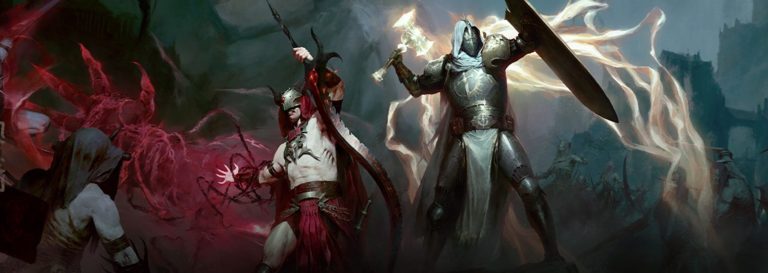
Diablo 4 Warlock Skill Tree has six categories with 24 active skills, along with a new branching upgrade system introduced in Lord of Hatred. You begin with a Basic attack, unlock your main damage skill after spending three points and build towards Ultimates later. The confusing part is deciding which upgrades actually work together, especially once Soul Shards and Bonus Skill Variants enter the picture.
If you’ve opened the Diablo 4 Warlock Skill Tree and aren’t sure what to take first, you don’t need to copy a completed endgame setup. You need an attack that deals reliable damage, enough resource generation to keep casting and at least one way to survive a crowded fight. Here are the exact category unlocks, a progression route and the rules behind those three modifier branches.
Diablo 4 Warlock Skill Tree: all six categories and unlocks

You unlock Diablo 4 Warlock Skill Tree categories by spending points in the earlier parts of the tree. These are points invested, not character levels, so you can unlock a Defensive skill before your level number reaches twelve. The category breakdown below also helps you find skills in the right section.
| Category | Points spent to unlock | Active skills |
|---|---|---|
| Basic | Available immediately | Doom, Molten Bomb, Command Fallen, Hellion Sting |
| Core | 3 | Bombardment, Umbral Chains, Blazing Scream, Hell Fracture, Dread Claws |
| Defensive | 6 | Dark Prison, Tortured Wretch, Wall of Agony, Nether Step |
| Archfiend | 12 | Rampage, Infernal Breath, Profane Sentinel, Tyrant’s Grasp |
| Sigil | 16 | Sigil of Chaos, Sigil of Subversion, Sigil of Summons |
| Ultimate | 21 | Apocalypse, Fiend of Abaddon, Terror Swarm, Metamorphosis |
For the Diablo 4 Warlock Skill Tree, the most important early unlock is Core. That’s where Blazing Scream, Dread Claws and the other repeatable damage attacks live. Defensive unlocks shortly afterwards, so you can add Dark Prison or Nether Step instead of trying to survive with nothing but damage. Archfiends use heavy demon attacks, Sigils create ritual zones and Ultimates supply the biggest effects.
How Diablo 4 Warlock Skill Tree modifier choices actually work
Every active skill has three upgrade branches that open progressively as you level. You select one modifier from each branch, not every available option. Blizzard describes the first two branches as general upgrades, while the third provides Bonus Skill Variants that can fundamentally change a spell. You also invest points in the parent skill, with extra ranks improving its strength.
The Diablo 4 Warlock Skill Tree therefore isn’t just a list of 24 buttons. The same attack can behave differently depending on its selected variant. For example, Blazing Scream normally launches a demon skull. Orbital Scream makes that skull orbit your character and helps extend Demonform, while Skull Splitter creates smaller skulls. Those are alternative behaviours, and equipment that works with one doesn’t necessarily suit the other.
| Tree choice | What changes | Example check |
|---|---|---|
| Base skill | Your chosen attack and its ranks | Does it use Wrath, Dominance or a cooldown? |
| First modifier | A general improvement | Does it improve damage, range or resource use? |
| Second modifier | Another general upgrade | Will the bonus trigger reliably in your rotation? |
| Bonus Skill Variant | A change to behaviour or skill tags | Does it still work with your gear and Soul Shard? |
Blizzard also removed the old passive and key passive nodes in this overhaul. Several familiar effects moved onto Legendary Aspects or Uniques, while other former item powers became skill choices. If an older guide tells you to invest points in a passive that no longer appears, it may be using a pre-3.0 skill tree.
The redesigned Diablo 4 Warlock Skill Tree is part of the wider free skill tree update, but the Bonus Skill Variant choice depends on expansion ownership. Non-owners get two of the three variant options; Lord of Hatred owners get all three. Since the Warlock class itself requires Lord of Hatred, Warlock players can use that extra choice.
Diablo 4 Warlock Skill Tree: the recommended levelling progression
For a new Warlock, work through the Diablo 4 Warlock Skill Tree in stages. Spend early points on one main attack rather than buying every Core skill, then add a defensive tool and a summon that support your damage type. The following order is a starting framework, not a fixed 83-point build.
| Milestone | What to invest in | Why |
|---|---|---|
| 0 to 3 points | One Basic skill such as Molten Bomb or Doom | Generate Wrath and open the Core category. |
| 3 to 6 points | Blazing Scream, Hell Fracture or Dread Claws | Choose one main Core damage engine. |
| 6 to 12 points | Dark Prison or Nether Step, plus main attack ranks | Add crowd control or movement so you can survive. |
| 12 to 16 points | Rampage, Infernal Breath or Profane Sentinel | Add an Archfiend that complements your main skill. |
| 16 to 21 points | A matching Sigil if you want a ritual-based setup | Gain Hellfire, Shadowform or summon interactions. |
| 21 points and beyond | An Ultimate and your chosen modifier branches | Develop the full combat rotation. |
A straightforward Diablo 4 Warlock Skill Tree opening is Molten Bomb into Blazing Scream, followed by Dark Prison. You can add Infernal Breath or another Archfiend as the branch opens. For a shadow character, Doom into Dread Claws with Nether Step is another route worth trying. Neither needs a rare Unique to start functioning, although the stronger endgame versions will want specific equipment.
Your Core skill’s upgrades matter more than spreading points across attacks you’ll never cast. If Blazing Scream keeps emptying your Wrath, invest in resource support before piling on conditional damage. If you frequently get trapped in melee, take the Defensive branch seriously. You can adjust the Diablo 4 Warlock Skill Tree as you find items that make another attack more attractive.
When do the Diablo 4 Warlock Skill Tree Soul Shards unlock?
There are two Warlock class milestones worth separating. The Disciple of the Forbidden quest becomes available in Ked Bardu at level 15, according to Blizzard. The Soul Shard mechanic unlocks through that level 15 class quest, while additional Fragment choices become available at level 30. You can use and upgrade regular skills before either milestone.
After finishing the level 15 class quest, the Diablo 4 Warlock Skill Tree gains a bound Greater Demon. Further Soul Shard Fragment options become available at level 30. Each Shard rewards a different combat loop, which means the best skills for a Vanguard Warlock won’t be identical to those for a Mastermind or Legion build.

| Soul Shard | Demon | Best starting direction |
|---|---|---|
| Legion | Ae’grom | Lesser Demon summons, Command Fallen and Sigil of Summons. |
| Vanguard | Abodian | Metamorphosis and Archfiend attacks during Demonform. |
| Mastermind | Laalish | Shadowform, Abyss spells and Dread Claws. |
| Ritualist | Vollach | Hex, Overpower, Volatility and ritual effects. |
The Diablo 4 Warlock Skill Tree works alongside these Soul Shards rather than replacing them. Legion rewards repeated summoning, Vanguard gains extra Archfiend effects during Demonform, Mastermind leans into Shadowform and Ritualist supports powerful Occult interactions. Don’t assume that choosing the same six active skills as another player is enough if their Shard and Fragment are different.
Diablo 4 Warlock Skill Tree: Wrath, Dominance and damage tags
Warlocks manage Wrath for many of their spells and Dominance for summoning demons and commanding their abilities. Your Diablo 4 Warlock Skill Tree should include ways to keep the resource needed by your main attack available. A character with plenty of Wrath can still struggle to summon heavy demons when Dominance is low.
Skill tags deserve another look after changing a Bonus Skill Variant. Hellfire, Abyss, Demonology, Occult, Summoning, Lesser Demon and Greater Demon determine how various equipment bonuses interact with your attacks. Some variants alter these tags, so your weapon or Glyph may stop helping in the way you expected. That can make a build feel weaker even when the displayed base skill hasn’t changed.
Hex increases Abyss damage taken according to an enemy’s missing Life. Volatility can empower Hellfire attacks, Shadowform grants movement and stealth interactions, and Demonform improves Maximum Life while rewarding Demonology kills. Select bonuses that strengthen your chosen attacks instead of forcing all four effects into one six-slot bar.
How many points can the Diablo 4 Warlock Skill Tree use?
The redesigned Diablo 4 Warlock Skill Tree belongs to the level 70 version of Diablo IV, with up to 83 available skill points. You won’t begin endgame with all of them. Extra points let you improve several active abilities and unlock their modifiers while building towards a fully developed character.
When a build guide shows a larger allocation than you currently have, check the stage of progression it assumes. Get your main attack, its important modifiers and a reliable Defensive skill working first. Then use later points on supporting summons, Sigils and the rest of the setup. An endgame tree is a destination, not the minimum required to enjoy the class.
Can you reset the Diablo 4 Warlock Skill Tree?
Yes, you can refund and reassign skill points to change your build. When you switch from Orbital Scream to Skull Splitter, for example, check the rest of your setup as well. Your chosen Unique, Soul Shard and resource support may have been selected specifically for the old variant.
If the Diablo 4 Warlock Skill Tree suddenly feels ineffective, check your skill variant, the resources your attacks consume and whether your equipment still matches the new tags. Then review your Paragon and Talisman choices. For explanations of what all 24 active abilities actually do, use our separate Warlock Skills guide below.
Official source: Blizzard’s Diablo IV skill tree overhaul.