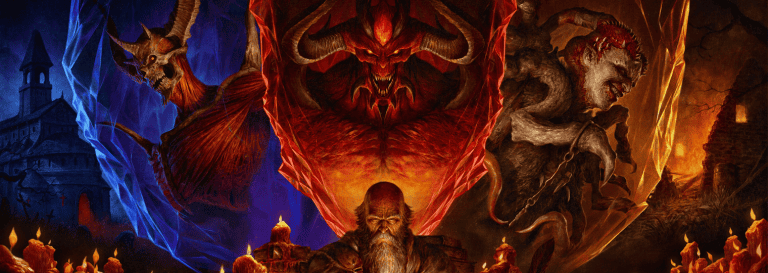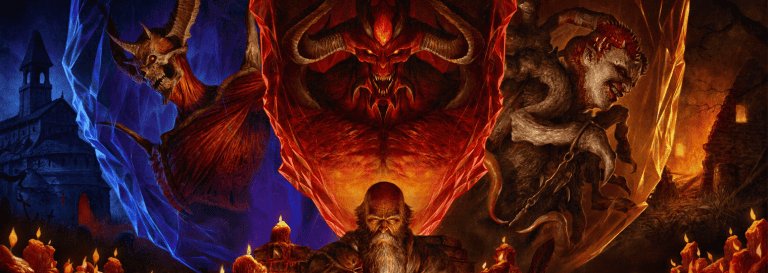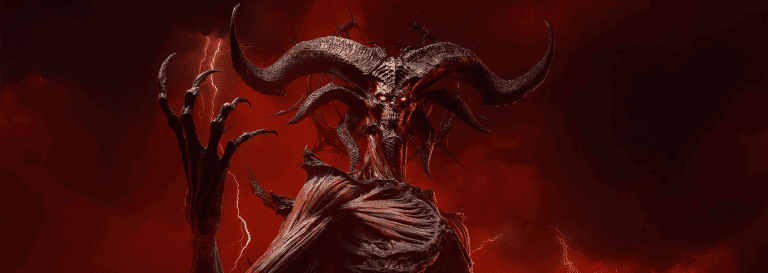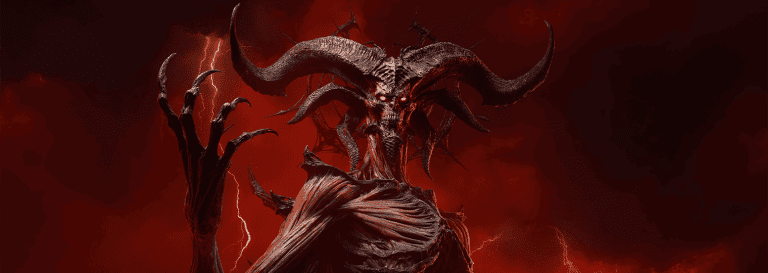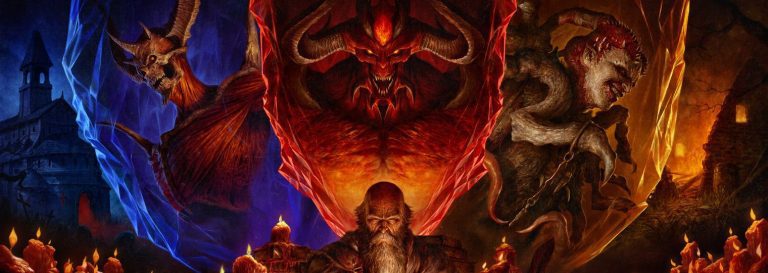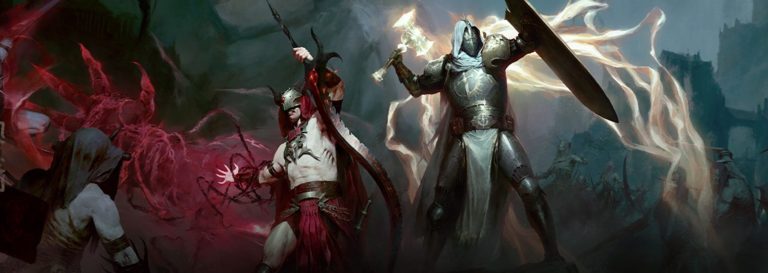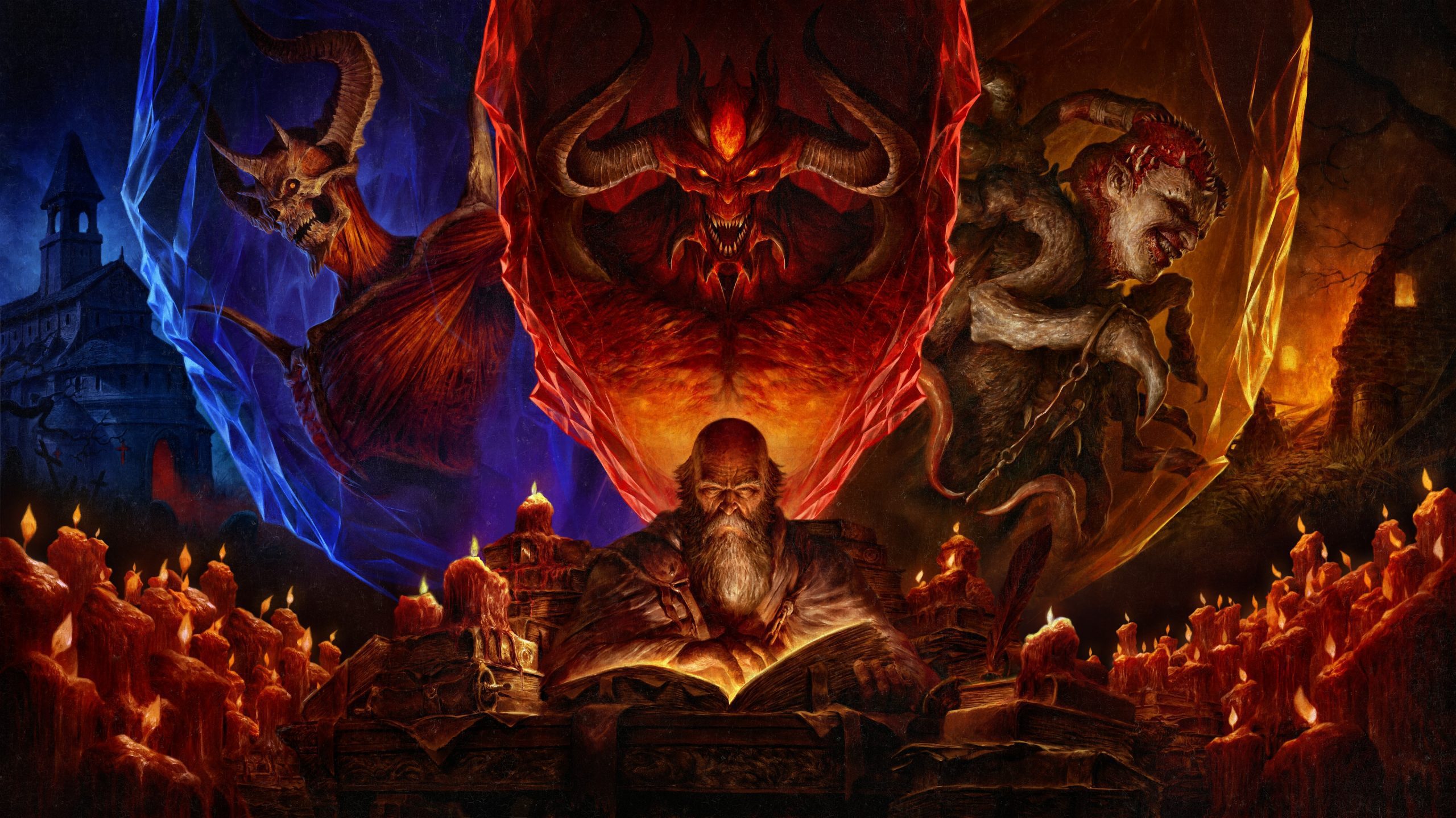
Waking Nightmares are Season 15 encounters built around memories from older Diablo games, rebuilt inside Diablo 4 with modern visuals and combat. They come in three sizes, from one-room open-world fights to large multi-level Capstone dungeons, and the biggest versions are also how players change their active Prime Evil Splinter.
Waking Nightmares explained
The season treats memories of Sanctuary’s past as playable encounters. Blizzard has pulled locations, bosses and characters from Diablo I, Hellfire, Diablo II, Diablo III and Diablo Immortal, then rebuilt those moments as repeatable Diablo 4 content rather than simply reusing old maps.
Large Waking Nightmares are Capstone-style dungeons
The biggest versions are multi-level dungeons based on historic confrontations with the Prime Evils. You first encounter them during the seasonal questline. Afterward, they can be replayed for rewards on Torment difficulties and have a fixed challenge level like other Capstones.
Pinnacle versions appear at Torment 10+
At Torment 10 and above, the large Waking Nightmares can become Pinnacle Capstones. Blizzard describes these as the highest-risk version with stronger rewards, making them the part of the system aimed most directly at late-endgame characters.
Standard Waking Nightmares are full dungeons
The middle size uses normal dungeon length and recreates familiar places from the series. Blizzard gives Diablo II’s Den of Evil as an example. These have fixed locations in the world, so they function more like known repeatable dungeons than random open-world portals.
Small Waking Nightmares appear in the open world
The smallest versions can suddenly appear while exploring. Entering one creates a one-room encounter against an old boss such as Queen Araneae or waves of returning enemies such as the dagger-wielding Flayers.
Waking Nightmares are tied to Splinters of Evil
The largest encounters are also part of the Prime Evil reputation system. When you want to change from Diablo, Baal or Mephisto’s active Splinter, the large encounters provide the route to acquiring another Splinter and moving into a different reputation and reward track.
Nearly twenty bosses return
Blizzard says nearly twenty bosses appear through the memory encounters, including names such as Nihlathak and the Maggot Queen. Familiar heroes such as Leah can also appear as the season uses old memories to fill in story context around Sanctuary.
Are Waking Nightmares permanent?
Blizzard describes them as a core feature of Season of Hell’s Legacy rather than a permanent base-game addition. Legacy Uniques are explicitly permanent; the memory encounters are part of the seasonal theme. Unless Blizzard later says otherwise, plan around them as Season 15 content.
How difficult are they?
Difficulty depends on the size. Open-world versions are the quickest, standard dungeon versions provide a longer run, and large Capstones are the serious challenge. The fixed-difficulty structure means the largest encounters are not simply scaled copies of ordinary dungeons.
When can you start them?
The largest Waking Nightmares first appear through the seasonal questline, so following Deckard Cain’s story is the straightforward introduction. The official Blizzard season overview confirms all three encounter sizes and the Torment 10+ Pinnacle version.
The memories are more than visual callbacks
The recreated settings are built as new Diablo 4 encounters rather than museum pieces. Blizzard has updated the visuals and combat, and the season uses the returning bosses and locations to support progression, loot and the Prime Evil Splinter system. Veteran players get the recognition factor, while newer players can use them as normal seasonal endgame content without knowing the original games.
Season 15 context
This part of the season is tied directly to the September 15 launch and uses the same account-wide seasonal progression as the wider Hell’s Legacy update.