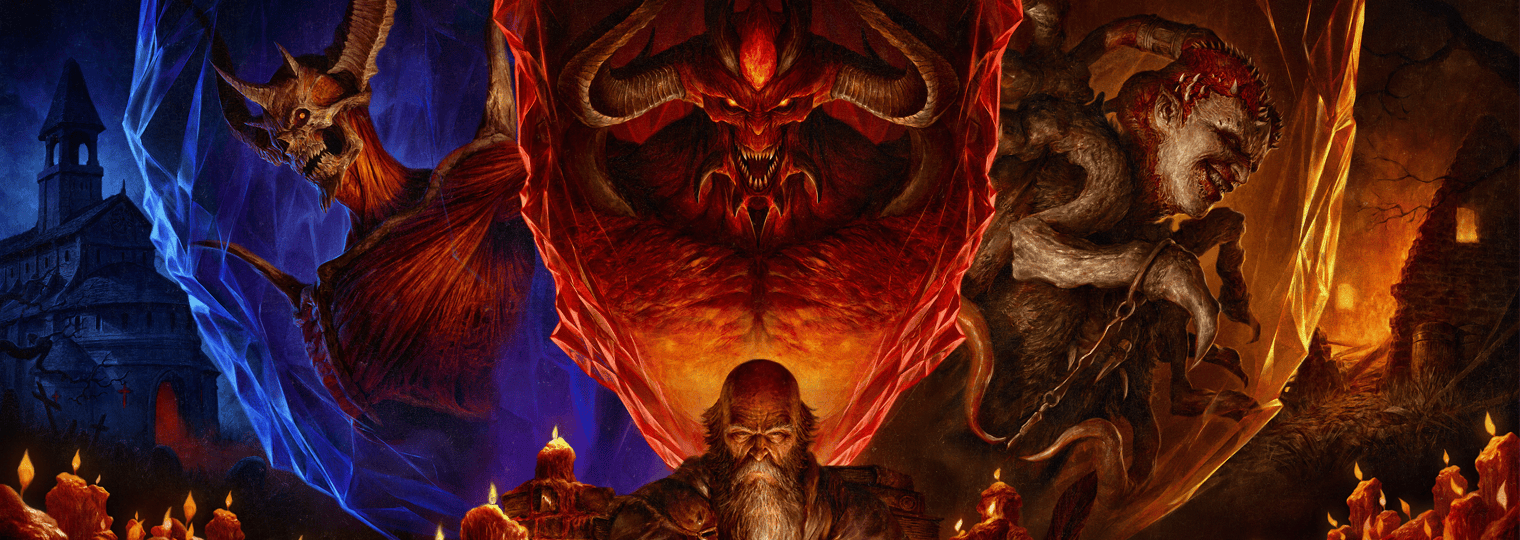
Diablo 4 Soul Splinter powers are designed around a trade-off: every gem gives a strong benefit and a liability that can be just as important as the boon. You can equip up to three Soul Splinters in Jewelry, so a strong setup is about combining benefits your build wants without stacking drawbacks that attack the same weakness.
The eight live Season 15 Soul Splinters are Anguish, Sin, Lies, Black Soulstone, Pain, Mother, Hellfire and Damnation. They drop from Magic through Unique rarity and can be upgraded through Amalgamation in the Horadric Cube.
All Diablo 4 Soul Splinter powers
Anguish adds Critical Strike Chance and Attack Speed while increasing Primary Resource costs. Sin raises maximum Life while reducing maximum Primary Resource. Lies boosts Gold, crafting materials and experience while leaving you Weakened and Vulnerable.
Black Soulstone creates temporary Souls from kills, increasing your damage and also increasing the damage you take. Pain gives a major Damage Reduction bonus at the cost of Movement Speed. Mother makes you Unhindered and applies Vulnerable through contact, but enough contacts trigger a self-stun.
Hellfire gives a huge multiplicative damage bonus while removing Critical Strike Chance. Damnation raises Monster Power after Elite kills, deliberately making the content harder in exchange for the seasonal risk-and-reward loop.
Anguish is powerful only if resource sustain is solved
Anguish looks universally good because crit and attack speed benefit many builds, but the 30% resource-cost increase at Unique rarity is not cosmetic. A build that already empties Fury, Mana, Essence, Spirit, Energy or Vigor can lose more damage to downtime than it gains from the offensive stats.
Hellfire is for non-crit builds or special interactions
Hellfire’s damage multiplier is enormous, but losing all Critical Strike Chance is a build-defining penalty. Damage-over-time setups and mechanics that do not require normal Crit can exploit it; ordinary crit builds often cannot.
Pain is the cleanest defensive bargain
Pain exchanges movement speed for Damage Reduction. It is especially attractive on classes that cover distance through Teleport, Charge, Dash, Leap or other movement skills, because the downside matters less when walking speed is not your main mobility tool.
Lies belongs in farming content
Lies is excellent when the enemies are already easy. The extra experience, Gold and crafting materials accelerate progression, but permanent Weakened and Vulnerable status is a poor trade in high Pit tiers or any activity where incoming damage is already dangerous.
Black Soulstone loves dense packs
Black Soulstone scales with recent kills, so it is naturally stronger in dense Nightmare Dungeons, Helltide and pack-heavy farms than in isolated boss phases. The damage-taken increase rises with the same stacks, so aggressive farming builds need enough defense to carry the extra risk.
Upgrade before judging a Splinter
Most boons improve as rarity rises while several liabilities remain severe. Keep useful duplicates and upgrade them. A low-rarity Anguish or Pain can look disappointing compared with its Unique version, and the whole Season 15 system is built around progressing those gems rather than treating the first drop as final.
How to read Diablo 4 Soul Splinter powers without wrecking a build
Diablo 4 Soul Splinter powers make more sense when you start with the liability, not the headline bonus. Anguish is brilliant if your resource engine is already comfortable, but the extra resource cost can turn a smooth build into one that stalls after a few casts. Hellfire is the opposite problem: the damage multiplier is enormous, but losing Critical Strike Chance can disable whole layers of damage or proc logic.
That is why Diablo 4 Soul Splinter powers should be chosen around the build’s weakest constraint. A setup with excellent mobility can absorb Pain more easily than a slow walking build, while a damage-over-time setup may barely notice Hellfire’s Crit penalty.
Which Diablo 4 Soul Splinter powers are safest to test first?
Diablo 4 Soul Splinter powers such as Pain and Anguish are easy to evaluate because their trade-offs show up immediately. Run a familiar activity, compare resource comfort or survivability, then decide whether the boon is actually improving clear speed rather than only making the character sheet look better.
For farming, Diablo 4 Soul Splinter powers are also activity-sensitive. Lies is much easier to justify in content you already overpower, while Black Soulstone becomes stronger when kill density is high enough to maintain Soul stacks. Boss-only encounters with long add-free phases naturally reduce the value of a kill-driven effect.
Diablo 4 Soul Splinter powers are therefore easier to compare as complete packages than as isolated bonuses.
At Unique rarity, Diablo 4 Soul Splinter powers make those trade-offs sharper because the boon reaches its strongest version.
THE CLICK
More Diablo 4 guides
For official seasonal updates, see the Diablo IV website.