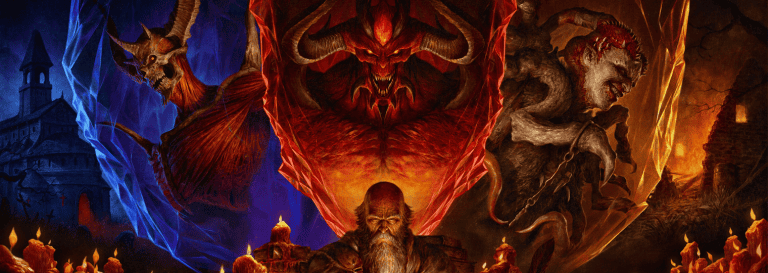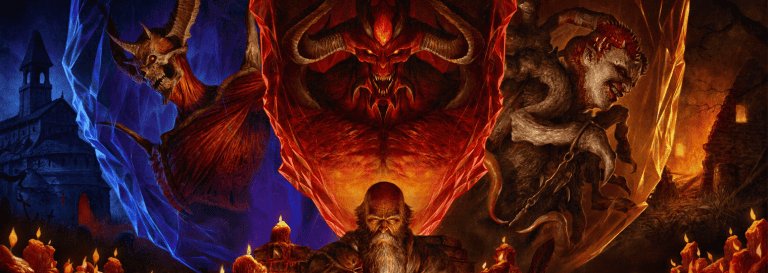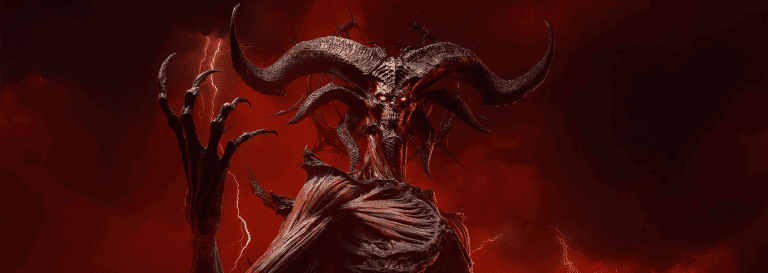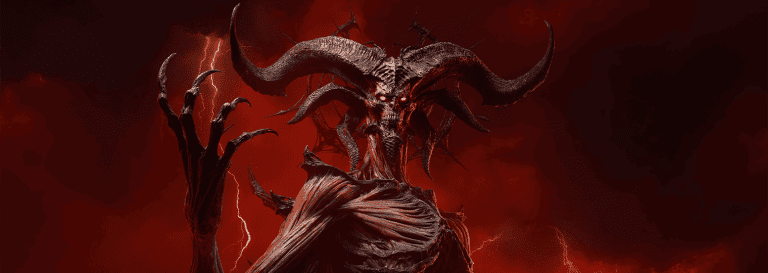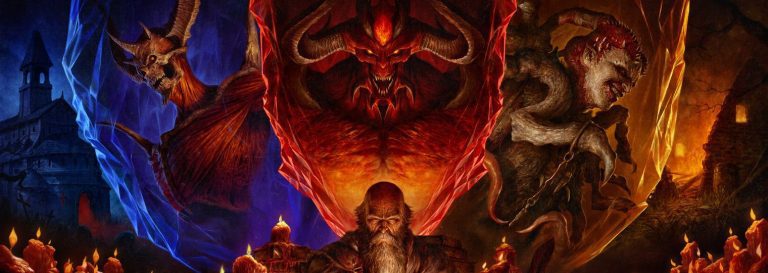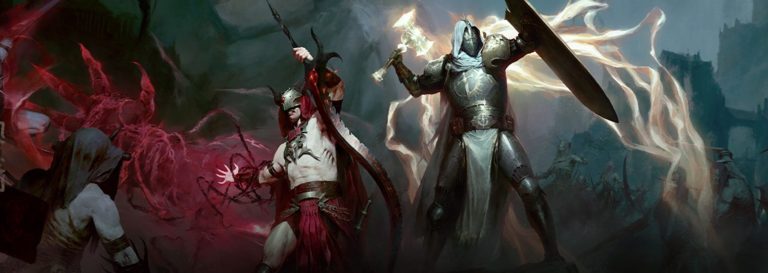
Diablo 4 Shards of Evil is the phrase many players are using for Season 15’s demonic power system, but Blizzard actually has two different kinds of Splinter in Season of Hell’s Legacy. The first are the three Prime Evil Splinters earned from Diablo, Baal and Mephisto. The second are eight Soul Splinter gems that slot into Jewelry.
For Diablo 4 Shards of Evil, start by checking the item name: the three alignment Splinters are not jewellery gems. Prime Evil Splinters choose your seasonal alignment, reputation track and activity modifiers. Soul Splinters are itemisation pieces: you can equip up to three, each gives a powerful boon and each also comes with a downside that your build has to manage.
The Prime Evil side of Diablo 4 Shards of Evil
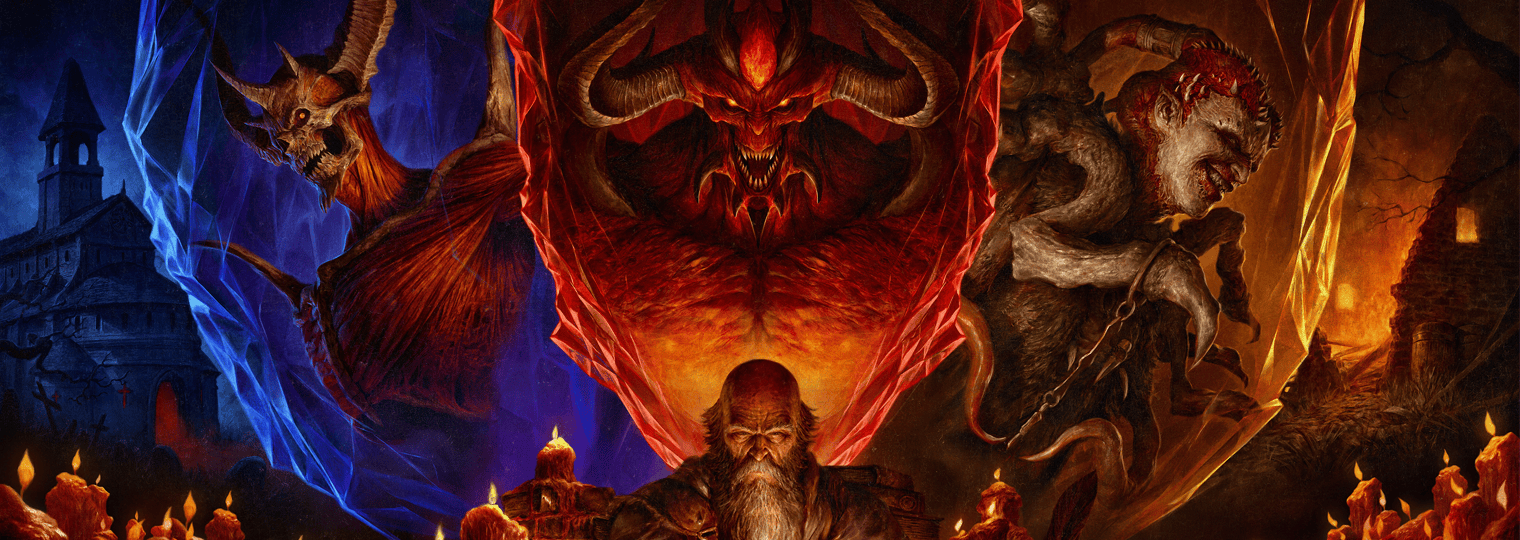
Diablo 4 Shards of Evil Image Blizzard Entertainment
The seasonal questline awards three Splinters of Evil after you defeat echoes of Diablo, Baal and Mephisto. Diablo’s Splinter of Terror deals Fire through its Iconic Power, Baal’s Splinter of Destruction uses Cold and Mephisto’s Splinter of Hatred uses Physical damage. Carrying one also makes you more vulnerable to that associated Prime Evil.
These Diablo 4 Shards of Evil choices determine where your reputation grows. Terror modifies Helltide and Infernal Hordes, Destruction modifies The Undercity and Lair Bosses, and Hatred modifies The Pit and Nightmare Dungeons. Each has eight activity modifiers and six Iconic Power upgrades, while all three can affect Tree of Whispers play.
Soul Splinters are the socketable version
If you’re looking for something to socket, Soul Splinters are the items you need. Soul Splinters are special seasonal gems associated with Andariel, Azmodan, Belial, the Black Soulstone, Duriel, Lilith, Na-Krul and Skarn. They occupy available Jewelry slots, and you can equip up to three at a time.
Soul Splinters come as Magic, Rare, Legendary or Unique drops. Matching Splinters of the same type and rarity can be combined with Amalgamation in the Horadric Cube to create the next rarity. Duplicates are useful because each upgrade consumes matching copies.
Why the drawbacks matter
Every Soul Splinter is deliberately double-edged. Read both the benefit and drawback before socketing one. A shard that looks outrageous on paper can be a bad fit if its liability attacks the exact resource, movement or defensive layer your build depends on.
That is also why there is no single universal answer for every class. Tornado Druid, for example, can build around a combination that includes Anguish, Hellfire, Pain, Black Soulstone and Lies, but another class may value completely different trade-offs. Our best Shard of Evil guide explains how to choose by build instead of pretending one gem wins everywhere.
How to change your Prime Evil path
You can only carry one Prime Evil Splinter at a time, but Diablo 4 Shards of Evil does not permanently lock that decision. Blizzard says you can return to the largest Waking Nightmares and acquire another Splinter to change the reputation track and reward path you are using.
That flexibility is worth using. Pick Diablo if your session is built around Helltides and Hordes, Baal if you are concentrating on Undercity and Lair Bosses, or Mephisto for Pit and Nightmare Dungeon play. The official Season 15 overview confirms both Splinter systems, and our how to get Shards of Evil guide covers the acquisition loop for Diablo 4 Shards of Evil.
How to tell which Shard of Evil you have
Check the exact item name before deciding what to do. Terror, Destruction and Hatred are Prime Evil Splinters that set your seasonal alignment. Soul Splinters are separate gems that give a boon and drawback when socketed into jewellery. The latter use Horadric Cube Amalgamation for upgrades.
Official source: Blizzard’s Season of Hell’s Legacy guide.