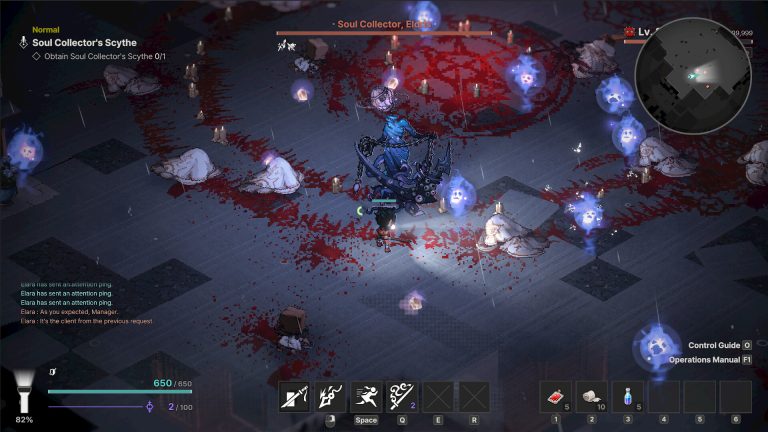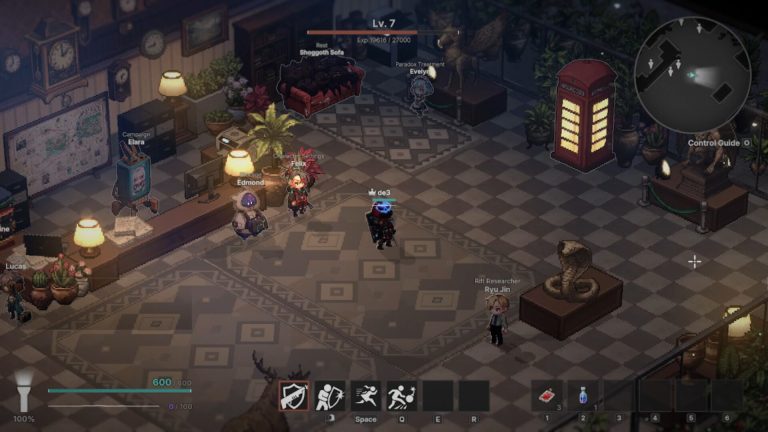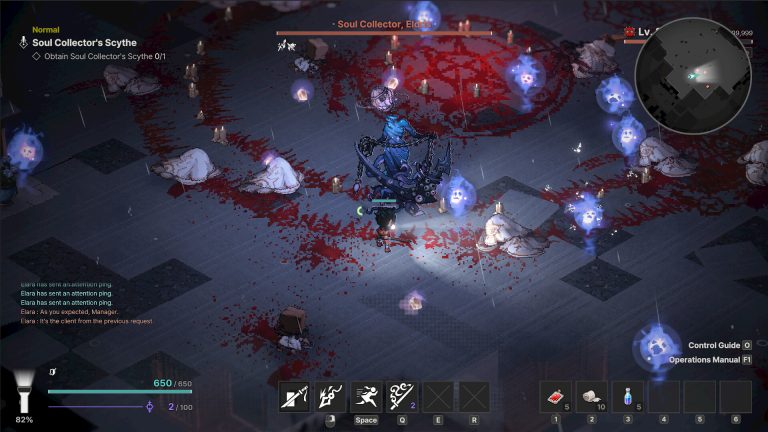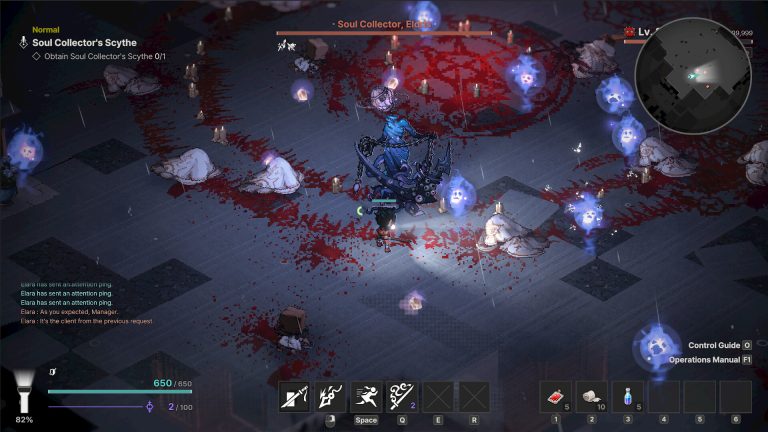
Look Outside gameplay combines turn-based RPG combat with scavenging and survival horror inside one apartment building. A strange event has turned anyone who looks outside into a grotesque creature. You’re trapped indoors, searching for food and weapons while trying to understand what has happened to your neighbours.
You spend your time moving between dangerous hallways and your own apartment, which serves as a place to rest and prepare. There are monsters to fight, people to meet, and decisions to make about the limited resources you carry. It’s a slower, stranger experience than a typical action horror game.
Look Outside gameplay: The exploration and survival loop
From your apartment, you venture into the building to explore rooms and corridors. You’ll encounter survivors, hostile creatures and supplies worth bringing back. Food, weapons and tools are useful because the next encounter could be tougher than the last, and you won’t always know who is behind a door.
The core Look Outside gameplay loop is to explore, gather what you can, survive any fights, then return home to recover. Nearly the entire adventure takes place within the apartment complex, so you’re gradually getting to know a dangerous building rather than travelling across a large open world.
Look Outside gameplay: How the turn-based combat works
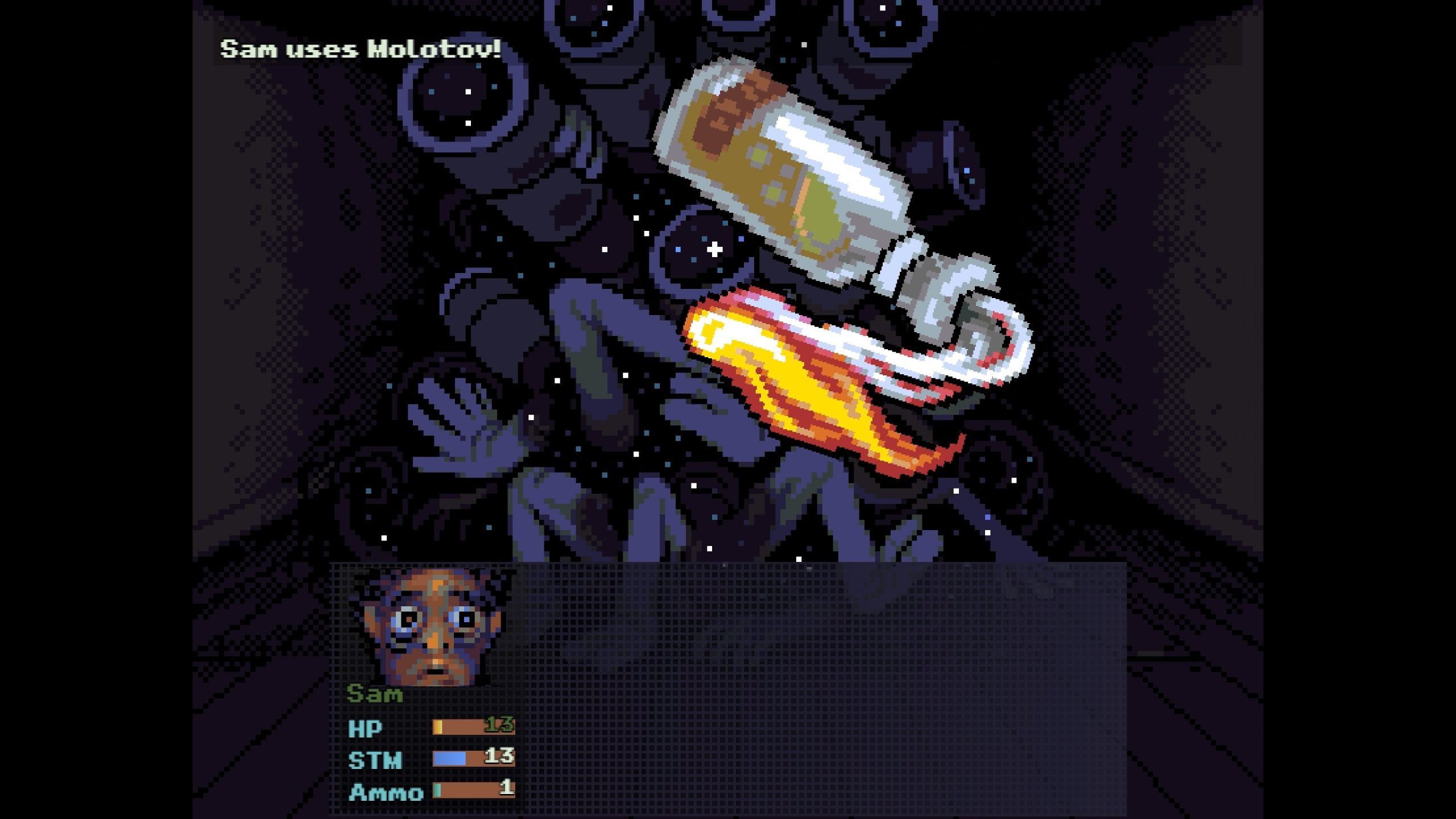
Combat is turn-based, not a real-time action system. You choose from the actions and equipment available to you, including makeshift weapons and items collected during exploration. Battles are part of the survival journey, not a separate arena mode.
Distance matters during combat. Devolver specifically describes fights as accounting for the space between you and your enemies. Check where an opponent is positioned and what your available actions can do before making a move. A battle may call for a different approach depending on how close a creature is.
Where do you find resources and weapons?
You’ll find supplies by exploring the building. Devolver names food, weapons and other resources as things you can scavenge, and those discoveries support both your expeditions and what you do back at home. It pays to search carefully, especially when you’re running short of something useful.
You don’t need to fight everything the moment you see it. The game’s survival element comes from weighing the dangers of exploring against the supplies you have left. When you’ve brought back food or materials, your apartment gives you a chance to regroup before going farther.
Look Outside gameplay: What you do in your apartment
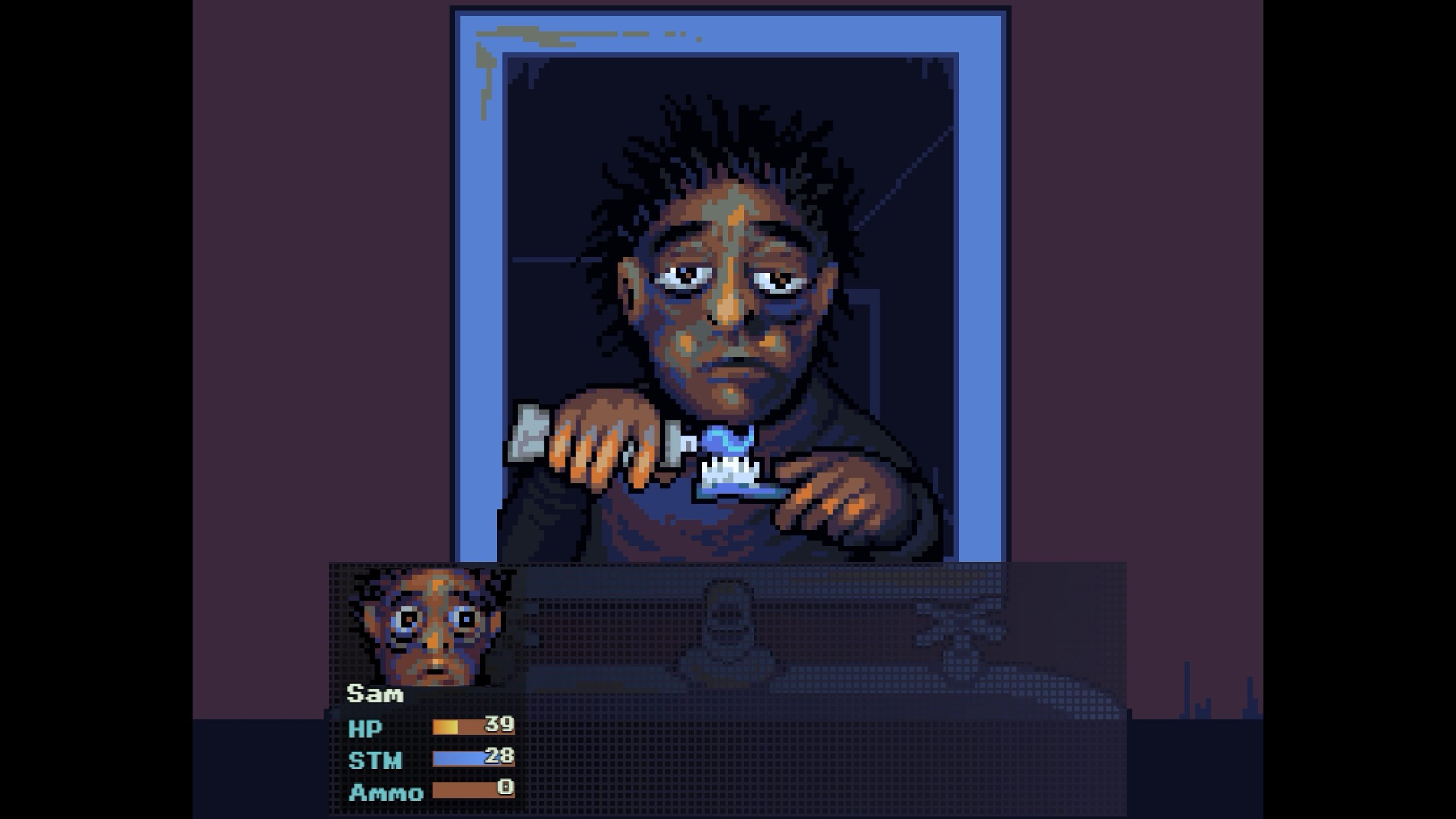
Your apartment is more than a save point. You can prepare dinner, craft tools, play games and spend time with the characters you’ve met. Those quieter activities are part of Devolver’s description of the game, and they give you a reason to return between expeditions.
That contrast is what makes Look Outside gameplay work: an ordinary home is your refuge, while the corridors just outside it can be horrifying. A trip into the building might end with new supplies, a new ally or a dangerous discovery. Either way, you’ll have to decide when to head out again.
Can you recruit neighbours or companions?
Some neighbours can become allies. The building contains ordinary survivors alongside much stranger characters, and the publisher confirms that certain people can be recruited or offered a place to stay. You shouldn’t assume every resident is available to join your group.
Talking to people matters, too. Some residents can offer companionship or help you piece together what’s happening, while others are part of the horror. You’re not just clearing rooms of enemies: you’re living alongside people who are caught in the same impossible situation.
Look Outside gameplay: Enemies, bosses and endings
According to the PlayStation description, there are more than 150 hand-crafted creatures and roughly a dozen boss encounters. Devolver also advertises several endings. Expect unusual monster designs and plenty of discoveries, rather than a game where one straight route reveals everything.
There’s a story unfolding in the building as well. Devolver’s original announcement sets up a 15-day wait, with the television claiming that going outside will eventually become safe. How you spend that time, the people you meet and what you uncover all add to the tension of the different endings.
Is Look Outside an action game or an RPG?
It’s a survival horror RPG, with pixel-art visuals and turn-based battles. That makes it more tactical than a reflex-based action game. Finding what you need to survive, choosing how to handle an encounter and getting back to your apartment are just as important as winning fights.
For players new to this style of horror, the best starting approach is to take short trips, look carefully for supplies and learn how distance affects combat. Look Outside also leans heavily into unsettling body horror, so the old-fashioned pixel-art presentation doesn’t make it a light-hearted adventure.
Is Look Outside on PS5, PS4 and Switch?
Look Outside first arrived on Windows PC on 21 March 2025 and launched for PS4, PS5, Nintendo Switch and Switch 2 on 30 October 2026. All four consoles get the same core survival horror adventure, rather than a separate multiplayer spin-off.
For the platforms, US launch price and PlayStation release timing, see our Look Outside console release guide. Once you’re playing, make the most of the apartment between trips, and remember why the windows are best left alone.
Related Guides
- Look Outside Console Release Date and Platforms
- Cronos The New Dawn Beginner’s Survival Guide
- The Séance of Blake Manor: Hypotheses and Evidence
- The Séance of Blake Manor Endings
- Mouthwashing Console Release Date
- Best Horror Games of 2026
- Best Indie Games
- Remothered: Do You Need to Play the Earlier Games?
Official source: Devolver Digital’s official Look Outside gameplay overview.