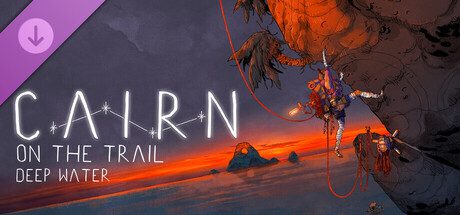
Cairn Deep Water Energy is a limited resource for the climbing challenges arriving with the free October 29 DLC. The Game Bakers says effort and mistakes tire the climber, so wasted movements can leave you short of energy before reaching the top.
Haken and Ruka add sea-cliff climbs, while Lamu offers gym problems. Here is what the developer has confirmed about the energy system, along with ways to plan a more controlled line without guessing at numerical drain rates.
What Is Cairn Deep Water Energy?
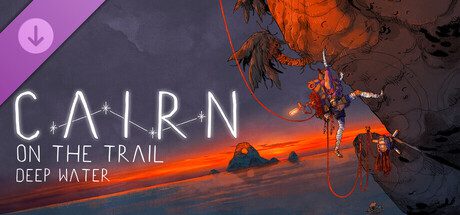
The Game Bakers says the new DLC gives you a limited amount of energy for each climbing problem. The locations are smaller than Mount Kami, so this restriction creates difficulty through efficient movement instead of a full expedition’s survival needs.
Effort and mistakes tire the climber. An unnecessary reach, a long struggle to correct balance or a poorly planned sequence can leave you with less energy to finish the wall. The studio has not announced a fixed energy total for every climb.
Cairn Deep Water Energy: What Causes Energy to Run Out?
The official explanation names exertion and errors as the key factors. Deep Water’s climbing problems reward deliberate control: getting a foothold into a comfortable position is better than repeatedly dragging yourself into a posture that cannot be maintained.
Cairn Deep Water Energy rewards efficient movement rather than frantic repositioning. Look for good footholds, let your legs support some of your weight and aim to settle into a balanced position before reaching higher.
Cairn Deep Water Energy: How to Save Energy Before Climbing
Read the wall from the ground. Decide where your first stable position is, which holds look reachable and where you’ll need to cross an overhang. A route with useful feet often beats a direct route that relies on a difficult hanging pull.
Choose your equipment before committing. The Game Bakers says gear and route choice matter under the new restriction. Taking a little longer to plan can save much more energy than trying a series of blind reaches after leaving the ground.
Cairn Deep Water Energy: Avoid Mistakes on the Wall
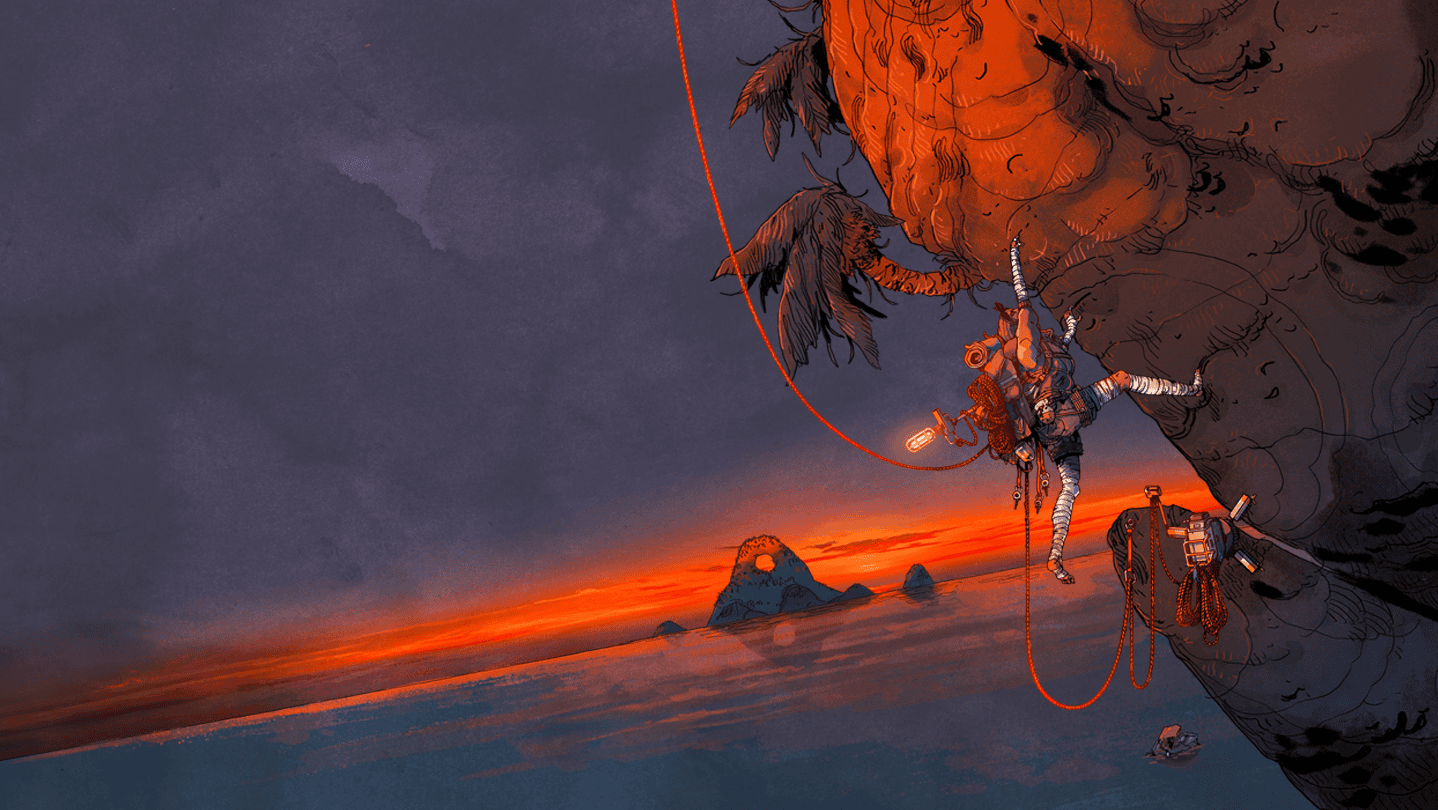
The Cairn Deep Water Energy limit makes repeated corrections expensive. If a handhold feels strained, see whether moving a foot or changing your body angle helps before you pull harder. Your next movement should lead to a better position, not simply keep you attached.
On an overhang, keep your body as controlled as possible. A long reach with little support can be worse than two deliberate shorter movements if those moves let your legs share the effort.
What Happens When You Fall Into the Water?
Haken and Ruka introduce water soloing. The developer says falling into the sea avoids the normal consequences of a mountain fall. That’s permission to experiment safely, but the announced energy rule still applies while you’re solving a climb.
After falling into the water, look at the move that forced an awkward stretch. A better foothold or different line can help conserve Cairn Deep Water Energy on the next attempt.
Aava Versus Marco Energy Management
Cairn Deep Water Energy affects an expansion where both Aava and Marco are playable. Marco has longer reach and stronger arms but less height and flexibility, changing which movement sequence is comfortable.
Try the same problem with both climbers. Marco’s reach and strength help on some lines while Aava’s flexibility suits others. Manage Cairn Deep Water Energy by choosing holds suited to the climber instead of forcing identical movement patterns.
Is Energy Different From Stamina on Kami?
The original campaign already makes Aava manage effort, body positioning, food, water and climbing gear across Mount Kami. The Deep Water system adds an explicit limited allowance to shorter climbing challenges.
That means the new areas aren’t simply a larger version of the survival campaign. They are compact technical tests. If you already know how to read holds and avoid exhausting poses in Cairn, those skills transfer directly to Haken, Ruka and Lamu.
Official game: The Game Bakers, Cairn.