Once Human Beachcombing is the Isles of Abyss shoreline activity built around sand holes, bubbling shallow-water spots and glimmering reef crevices. These small discoveries can provide supplies, while drift bottles can lead to treasure maps, ship blueprints, books and letters.
Pick a manageable stretch of coast and check each clue before moving to another island. Look for disturbed sand, bubbling shallows and reef crevices as you move along the coast. Check drift bottles for maps and blueprint clues.
Where to find Once Human Beachcombing spots
| Item or place | Purpose or method | What to know |
|---|---|---|
| Sand holes | Coastal sand | Interact to collect supplies left by the tide |
| Bubbling holes | Shallow water | Check the disturbance for a collection interaction |
| Reef crevices | Between reefs | Look for glimmering clues |
| Drift bottles | Along the coast | Potential treasure maps, ship blueprints, books and letters |
How Once Human Beachcombing works
Once Human Beachcombing starts by looking for small, interactive coastal features rather than searching a single marked treasure chest. The developer names sand holes, bubbling holes in shallow water and glowing crevices between reefs. Approach each spot and use the available interaction to see what the tide left behind.
Small creatures may withdraw into holes or dart away when approached, so take time to inspect the area instead of running across it. Some coastal animals can pinch or cut you. The activity rewards patient shoreline exploration more than fast traversal.
Where to look for sand holes and reef crevices
For Once Human Beachcombing, start with beaches and shallow coastal water. Sand holes appear along the shore, while bubbling spots are in shallow sea water. Glimmering reef crevices are another collection point. The official announcement establishes these types but does not publish a permanent coordinate for every spawn.
The route should fit your current ship and supplies. Search one stretch of coastline thoroughly before sailing to the next island, and watch for anything that moves or glows close to the ground. Nothing in the release notes establishes a guaranteed respawn interval for these spots.
Drift bottles, treasure maps and ship blueprints
One valuable part of Once Human Beachcombing is finding drift bottles. They can contain treasure maps, ship blueprints, books or letters. A bottle therefore has value beyond immediate crafting materials, and it is worth checking the contents before selling or discarding a discovery.
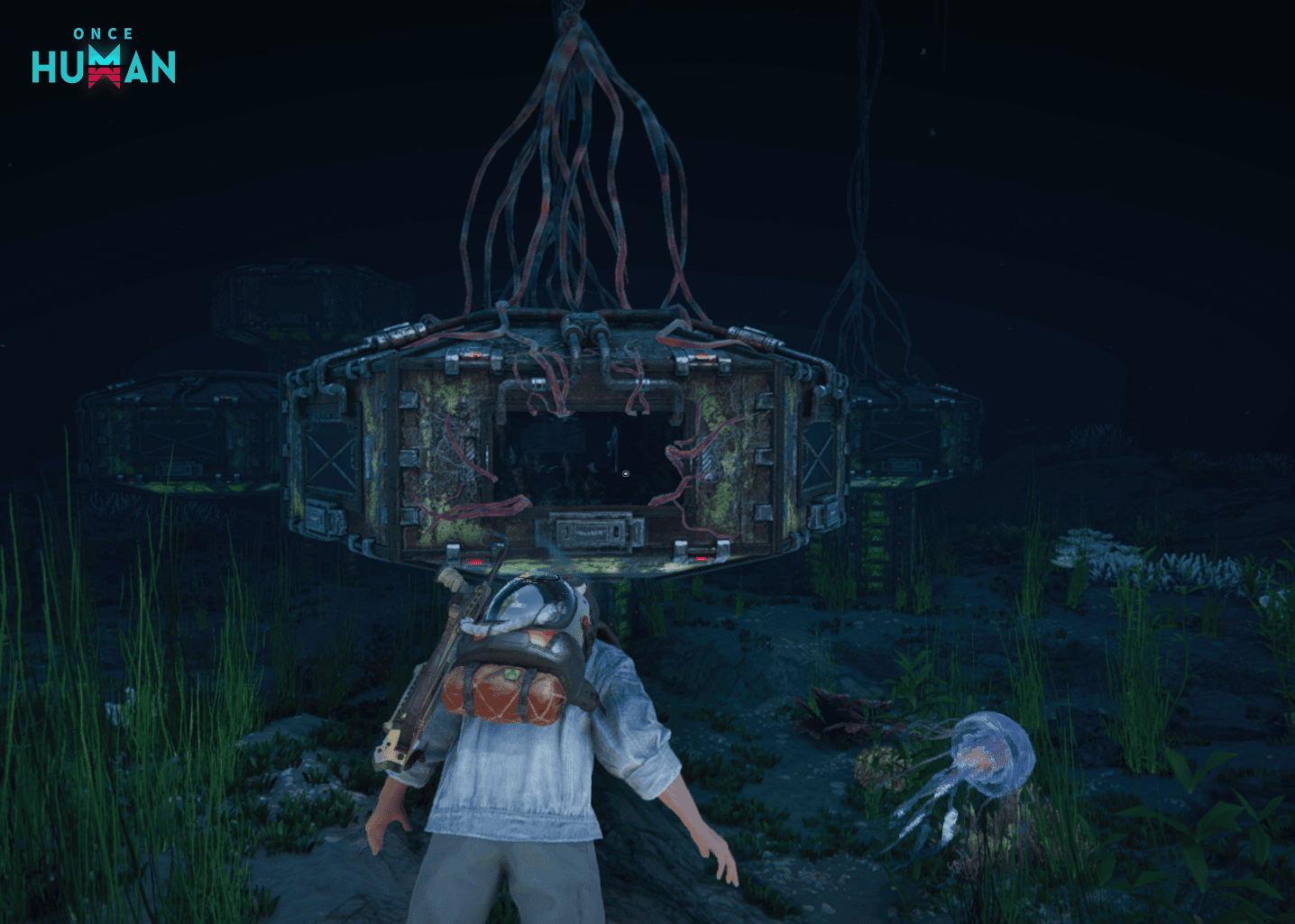
Treasure maps may lead to underwater ruins rather than another beach. A map is a starting clue, so plan protective equipment and oxygen before following it. The new diving gear and your first ship make these follow-up expeditions less hazardous.
What to do with coastal discoveries
The developer says some beachcombing finds can be sold to merchants for batteries. Pirate Coins and Ambergris are also trading items for the beachcombing shop, but that doesn’t mean every shoreline item should be sold. Check the in-game item description for crafting or trading use first.
Once Human Beachcombing also overlaps with broader material collecting. Oysters can yield useful shell materials and pearls, while some sea creatures supply ingredients for cooking. Keep useful construction resources if your ship and Tech upgrades still need them.
How to prepare for a longer shoreline route
Bring enough food and protection for the islands you’re visiting, particularly if the route takes you into a Haywire Zone. Unlike deep diving, shoreline scavenging does not usually require you to begin with the Shark Diving Suit, but shallow-water discoveries can turn into deeper treasure hunts.
If a treasure map takes you into open water, return to your ship before following it. Use the same shoreline trip to gather supplies, scout the coast and identify where you can dock safely before committing to an underwater destination.
Can you revisit beachcombing spots for more loot?
No fixed ship-blueprint drop rate or all-spots map is documented in the version 3.1.1 announcement. For Once Human Beachcombing, the verified method is interacting with the specified spot types and checking drift bottles. A guide claiming the same blueprint in every bottle would be misleading.
Treat exact coordinates and item frequencies shared by players as route-specific evidence until tested on the released build. You can still use the system effectively without those figures: search the coast, inspect each discovery and follow the treasure clues you actually receive.
If you’re starting this scenario, the joining guide explains server entry and Phase I versus Phase II. Ship Building covers your mobile ocean base, while Voyager Ships and Calamity Towers explain the major ocean encounters. Preparation also means checking Haywire Zones and the free launch gift.
For Once Human Beachcombing, use the confirmed mechanics above as a starting point. The live game may reveal more exact locations, recipes or rates, but none of those should be promised without demonstration.
Related Guides
Official source: Once Human version 3.1.1 Isles of Abyss gameplay notes.