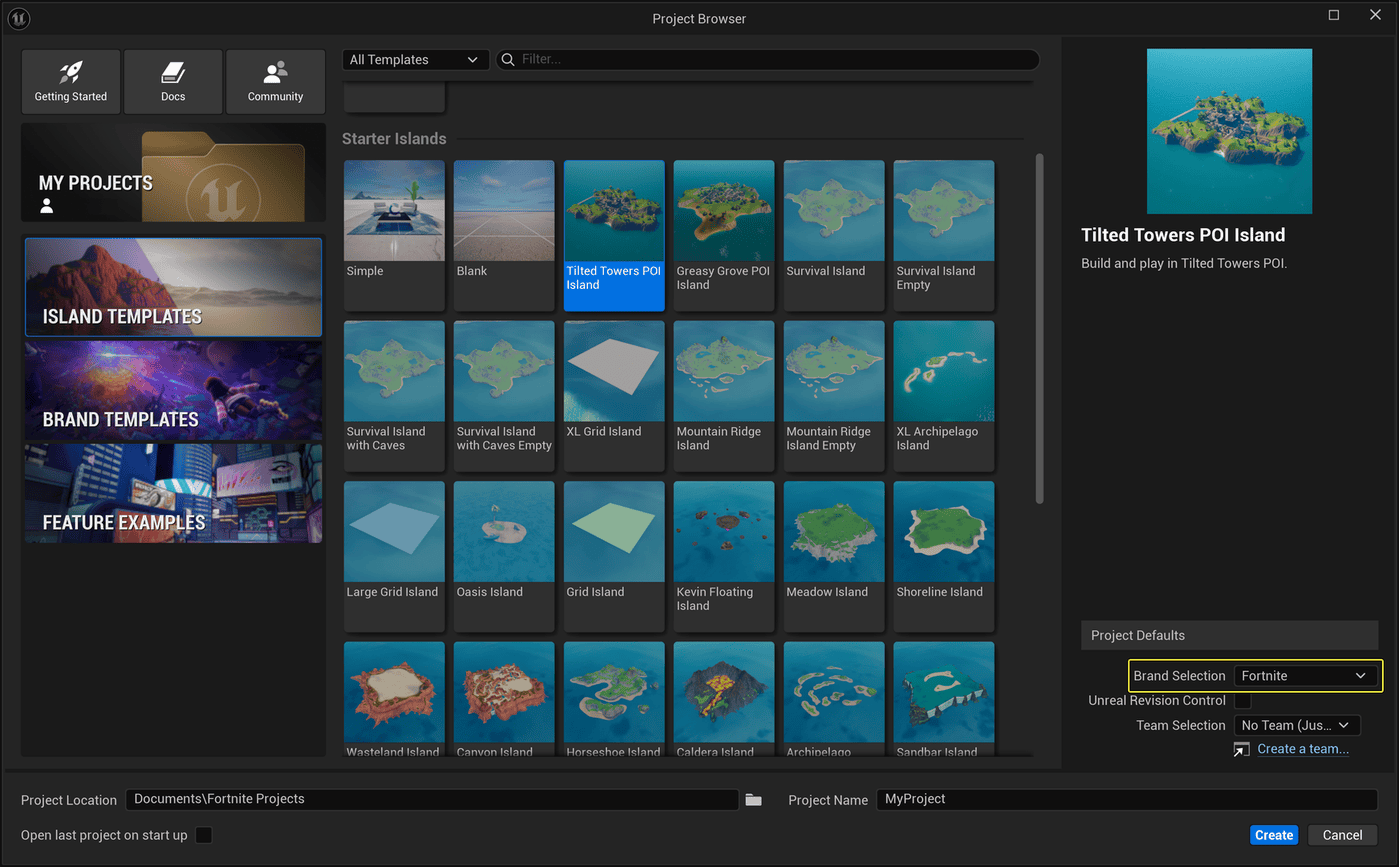
UEFN VerseVM testing is now available through an optional toggle in the editor’s Session menu. Fortnite’s v42.40 update introduced a way to run your island against the newer Verse virtual machine instead of the existing Blueprint VM, also called BPVM.
It is a testing choice, not a mandatory publishing setting. Switching it on changes what happens in your development session, including two restrictions worth knowing before you start: Verse Reload is disabled and Live Edit does not support every change.
How to enable UEFN VerseVM testing in a session
Save your work first. If the island is already live, test a separate copy or create a source control checkpoint so you can compare against a build you know works. The UEFN VerseVM testing option changes the runtime used by the test session, not your published island.
- Open the project in Unreal Editor for Fortnite and let it load normally.
- Open the Session menu in the UEFN editor.
- Enable the toggle that sets VerseVM as the target server for the UEFN session.
- Launch a UEFN test session and exercise the island’s Verse-driven features, including triggers, player interactions and anything that relies on subscription callbacks.
- Inspect the editor output and session logs if a feature behaves differently. Record the exact editor build and the actions needed to reproduce it.
- Switch back to the BPVM target for a comparison test, especially if you need Verse Reload or are changing Verse properties through Live Edit.
This only selects the target server for testing in your UEFN session. It does not convert an already published island or change matchmaking for players.
Why Verse Reload is disabled with VerseVM
One of the first differences during UEFN VerseVM testing is that Verse Reload is not yet supported. Epic explicitly disables that feature when the VerseVM session toggle is on.
Verse Reload normally helps you iterate without restarting the entire playtest. With VerseVM selected, that workflow is unavailable. A disabled reload option is expected behaviour, not a sign that your island’s Verse code has failed.
Switch the Session target back to BPVM when you need Verse Reload. To check changes on VerseVM, start a new test session with the updated build. Change one thing at a time so you can tell whether a problem came from your latest edit or from the different runtime.
What Live Edit can and cannot do with VerseVM
Live Edit is also only partially supported in UEFN VerseVM testing. Epic says only BPVM currently sends Verse properties through Live Edit to the server. That distinction matters when you adjust a property in the editor and then wonder why the running playtest doesn’t reflect it.
Live Edit may still be available for other editing tasks, but changes to Verse properties are not transmitted to the VerseVM target the way they are to BPVM. If a Verse property appears unchanged in your playtest, switch to BPVM to use that Live Edit workflow, or launch a fresh VerseVM session after changing the project.
For example, if changing an editable value does nothing during a VerseVM playtest, do not immediately rewrite the Verse function that reads it. Test the same edit on BPVM first. A missing Live Edit update and faulty game logic need different fixes.
How to compare VerseVM and BPVM results
For a useful comparison, run the same gameplay sequence twice: first on BPVM, then with the UEFN VerseVM testing toggle enabled. Watch device events, Verse callbacks and UI changes. If players can leave or restart a round mid-event, test those paths too.
If only one runtime has the problem, save the editor version, session setting and relevant logs. A short reproduction with just the affected devices or Verse code is more helpful than reporting that the whole island is broken.
Epic has not published a blanket performance gain for every island in its 42.40 announcement. Test your own project before drawing conclusions about speed or stability.
Does VerseVM need to be enabled before publishing?
No. UEFN VerseVM testing is optional and is not described by Epic as a new prerequisite for submitting an island in Creator Portal. Creators still need to complete their ordinary release checks, including the age-rating questionnaire, promotional images and moderation.
There is another Verse change to watch for Fortnite v43.00: the built-in event.Subscribe behaviour. That is a source-code compatibility change which can affect unpublished Verse code with custom subscription extensions. It is not the same thing as enabling the VerseVM session toggle. Our separate UEFN 43.00 event.Subscribe error guide covers the migration steps.
What should you do if the new test session fails?
If UEFN VerseVM testing is not working, first read the actual error. A compile failure, failed project versioning stage and unsupported Live Edit operation are three different cases. Return the Session setting to BPVM and see whether the same island launches; then use the logs to decide what needs attention.
Keep source control intact and resist deleting caches or rebuilding scripts without evidence. When a session fails during Versioning rather than Verse execution, our dedicated UEFN Versioning Stage Failed article covers the specific October 42.40 issue and its documented fix.
For now, use UEFN VerseVM testing to compare actual gameplay behaviour. Keep BPVM available when you need Verse Reload or Verse-property changes through Live Edit, and report reproducible differences with the editor version.
Official source: Epic Games Fortnite ecosystem v42.40 release notes.