UEFN MCP setup lets you connect Claude Code, Cursor or Codex to a Fortnite island you are building in Unreal Editor for Fortnite. Epic has built the MCP server into UEFN, so there is no separate plugin to install.
First you enable two project settings, then point your coding assistant at the editor’s local server. Once connected, it can read and compile Verse, work with Creative devices and help test play sessions. Here’s the Fortnite-specific process, including the configuration detail that is easy to get wrong.
UEFN MCP setup: switch on the required UEFN settings
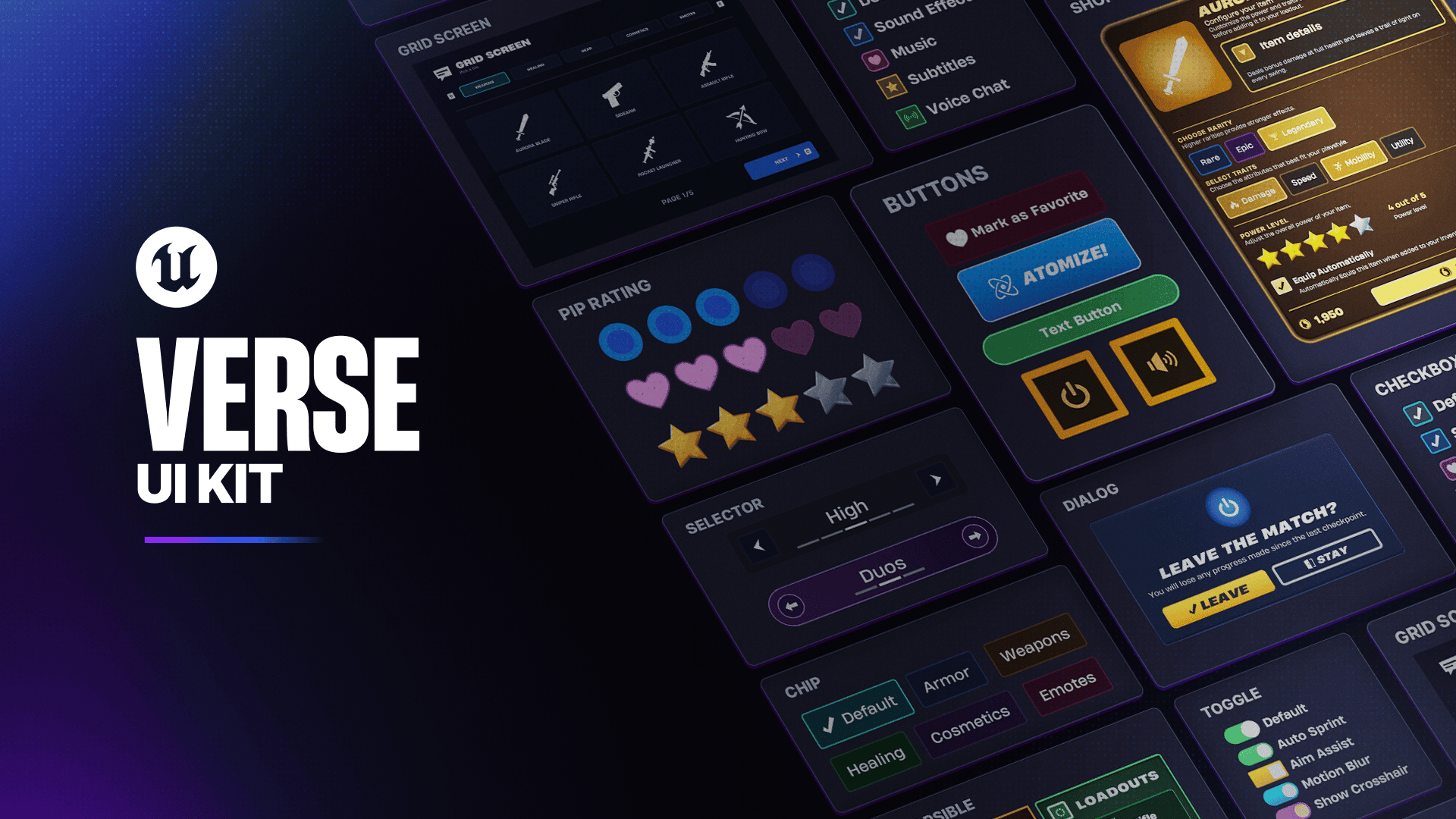
Open the island you want to work on first. The MCP server runs inside the editor, and your coding tool needs that running project to reach its tools.
- Open Project Settings in UEFN.
- Enable Python Editor Scripting.
- Enable UEFN MCP Toolsets under beta access.
- In Editor Preferences, configure the MCP server to start automatically.
- Restart UEFN after changing the server configuration, then reopen the same project.
Keep UEFN open throughout the connection process. Installing an AI client is not enough by itself: the client still needs to know where the local editor server is running.
UEFN MCP setup: connect Claude Code, Cursor or Codex
By default, the UEFN MCP address is http://127.0.0.1:8000/mcp. This is a local loopback connection on your own machine. Do not forward that port to the internet or share account credentials with an untrusted agent.
Epic provides this JSON entry for Claude Code. It names the server unreal-mcp and points the client at UEFN’s local address. It is not a universal configuration for every AI application.
{
  "mcpServers": {
    "unreal-mcp": {
      "type": "http",
      "url": "http://127.0.0.1:8000/mcp"
    }
  }
}
For a Claude Code project, the configuration file is .mcp.json in the project root. Epic’s UEFN page contains inconsistent references to mcp.jason and .mcp.txt; the finished file needs the JSON extension, not a hidden .txt suffix. Cursor and other JSON-based clients may read their configuration from different locations. Codex CLI uses TOML, so do not paste Claude’s JSON example into Codex settings.
- Put the appropriate config in the project or workspace root your client reads.
- Check that its server URL matches the address UEFN is actually using.
- Launch the AI coding client from that same project or workspace root.
- Ask it to discover the connected MCP tools and report the toolsets it can use.
- Begin with a read-only test, rather than letting the assistant edit your island immediately.
A successful UEFN MCP setup lets the agent discover Unreal MCP tools. If it cannot find the server, our UEFN MCP setup connection fixes cover missing project settings, the port and client configuration.
UEFN MCP setup: four ways to test the connection
1. List devices already available
Ask, “What devices can I place in this project?” Epic uses this as a starter prompt. It tests tool discovery without changing anything on your island.
2. Add a timer device
Then ask the agent to place a player spawner and timer device. Both are examples in Epic’s documentation. Check their positions and editable properties in UEFN before continuing.
3. Read and compile Verse
Start by asking the agent to list and read a Verse file. Once it has the right one, request a small change, such as adding a log message when a round starts, and have it compile the result. Epic keeps the Verse file tools within your project.
4. Launch and inspect a play session
Ask the assistant to start a play session, check whether it connected and inspect the client log when a test fails. UEFN uses Play-in-Client rather than the usual Play-in-Editor flow in standard Unreal Engine, so only ask for actions the discovered Fortnite toolsets actually support.
UEFN MCP setup: capabilities and limits
UEFN MCP setup gives your client tools for Verse, Creative devices, Scene Graph entities and play sessions. Epic has also announced UMG UI capabilities. The feature is still in beta, and not every toolset from Unreal Engine 5.8 works in UEFN. Ask the agent which tools it can actually see before planning a complicated build.
Changes made through MCP appear in your actual project. Ask for a plan before a big request, inspect any placed devices, review the Verse files and run a play test. Epic is investigating hitching during tool calls and some coordinate translation errors, so checking the finished result matters.
Once the UEFN MCP setup can list tools and read a Verse file or inspect devices, the connection is working. You don’t need to let an assistant overhaul your island to prove it. Keep the local port private and never give an untrusted tool your account credentials.
Related Guides
- UEFN MCP Not Connecting: Server and Config Fixes
- Fortnite UEFN Source Assets on Fab
- Fortnite UEFN Verse UI Kit
- UEFN Text Chat Channels
- UEFN Template Abilities
- How to Use Conversations in Fortnite UEFN
- UEFN Versioning Stage Failed Fixes
- UEFN VerseVM Testing: Session Toggle and Live Edit
- UEFN 43.00 Verse event.Subscribe Error Fix
For current first-party instructions, see Epic Games’ official UEFN MCP documentation.