Stop Killing Games EU response gives more than a million supporters a frustrating answer: Brussels agrees that losing access to purchased games is a problem, but it isn’t proposing the law campaigners asked for. Instead, the European Commission wants publishers and consumer representatives to discuss better ways of retiring online games.
The campaign, formally titled Stop Destroying Videogames, gathered 1,294,188 verified statements of support. The Commission answered on 16 June 2026 and promised to open discussions by the end of the year. It’s an important milestone for video game preservation, but players shouldn’t confuse an official response with new protection already written into law.
Stop Killing Games EU response: no new preservation law for now
The Commission says it cannot currently propose a binding requirement for publishers to leave games playable after commercial support ends. It points in part to copyright and other intellectual property rights, which give rights holders control over their work. That’s the central disappointment for supporters of the campaign.
It doesn’t mean the Commission thinks players should simply accept losing access to a purchased game. The Stop Killing Games EU response makes a separate point about existing consumer protections: publishers cannot ignore what they told customers they were buying, or how long a service was meant to last. But those rules don’t amount to a guarantee that every online game must work indefinitely.
Under EU consumer rules, providers must give customers information about a game’s service duration and how the agreement can end. If a game stops working sooner than the contract or a buyer could reasonably expect, the buyer may be entitled to a proportionate refund or another remedy. That depends on the circumstances. The Commission has not announced an automatic refund for everyone affected by a shutdown.
How Stop Killing Games reached the European Commission
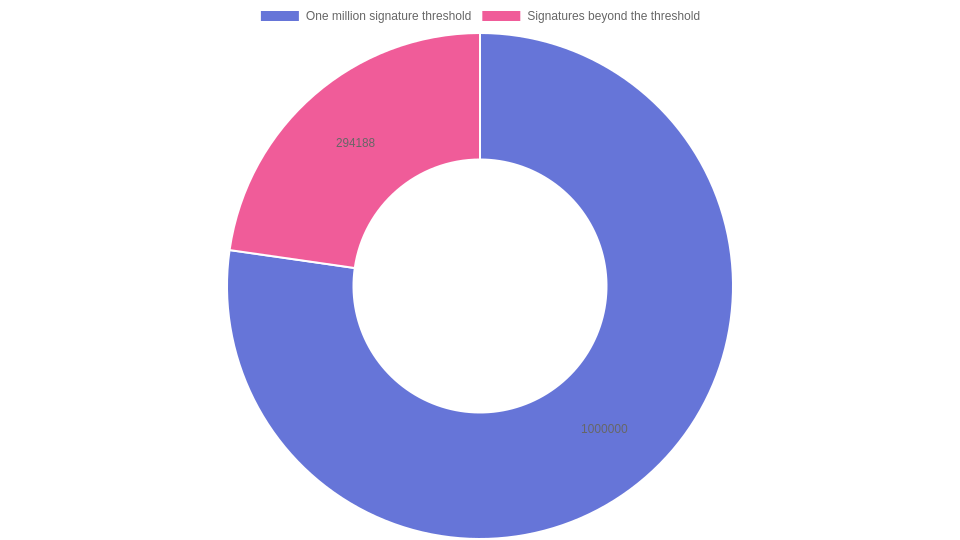
The organisers submitted the initiative on 26 January 2026 after gathering 1,294,188 verified statements. It cleared the one-million threshold for a successful European Citizens’ Initiative and met the required national thresholds in 24 EU Member States. That secured a formal review. It didn’t guarantee that the proposal would become law.
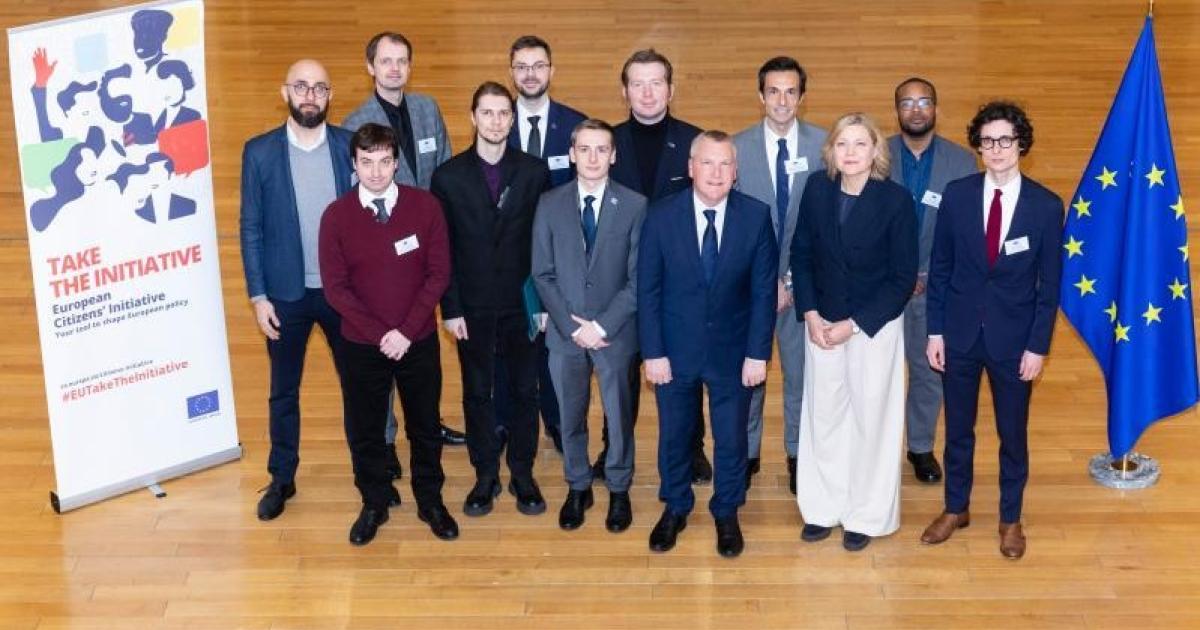
The timeline is straightforward: organisers met the Commission on 23 February, spoke at a European Parliament hearing on 16 April, and saw MEPs debate the subject on 21 May. The Commission issued its formal reply on 16 June. The Stop Killing Games EU response came through an established public process, not merely from a viral petition that officials could choose to ignore.
Campaigners want publishers selling or licensing games in the EU to leave them functional when official support ends. That doesn’t necessarily mean keeping costly company-run servers online forever. Depending on how a game works, it could mean an offline option or some other way to preserve core gameplay. An always-online racing game and an offline adventure are very different technical problems.
What happens next after the Stop Killing Games EU response?
The Commission’s next step is to start talks with publishers and consumer representatives by the end of 2026. The aim is an industry code of conduct covering what publishers should do when games reach the end of their commercial lives. It is a proposal for better standards, not a law that would force publishers to provide offline patches.
As of 15 November 2026, the Commission has not published a finished code or an implementation date. That means players can’t yet point to a new set of obligations when a publisher announces a shutdown. What matters now is whether those discussions produce specific, useful commitments rather than vague promises.
There’s a second piece of work, too. The Commission says it will help consumer organisations and enforcement authorities explain existing rights, and report on how the EU’s Digital Content and Digital Services Directive is working before the end of 2026. That could shape what happens next, but it doesn’t change the rules overnight.
Anyone reporting that the campaign has already forced every publisher to keep games playable is getting ahead of the facts. The Stop Killing Games EU response has opened a policy conversation. It hasn’t solved the practical problem yet.
Why losing an online game isn’t like losing a movie
When a game’s main menu won’t even load without an online server, turning that server off can wipe out access to the whole experience. That’s different from taking away multiplayer matchmaking while leaving a campaign playable offline. The Stop Killing Games EU response matters because those distinctions are often invisible at the point of sale.
A player might see a game in their library for years, then discover they can’t launch it because an online component no longer exists. What they bought, what they were promised and which consumer rules apply all matter. That’s why the campaign is about access and preservation, not simply nostalgia for old games.
We’ve already reported on what happens when individual games or services shut down, including Final Fantasy VII Ever Crisis shutdown, Rec Room’s closure and Ghostwire Tokyo’s GOG preservation release. They illustrate why preservation isn’t just an academic argument about copyright.
Does the Stop Killing Games EU response change UK law?
No. The Stop Killing Games EU response is part of an EU process. The UK has its own consumer law, and neither a future EU industry code nor a new EU law would automatically become UK legislation. Publishers might choose to adopt the same end-of-life approach across Europe and the UK, but that shouldn’t be mistaken for a legal requirement here.
UK customers may still have consumer rights when a digital product doesn’t meet what was promised, but the outcome depends on the sale, the terms and the relevant UK rules. Having a game icon in your library is not, by itself, a promise that its servers will run forever.
Will the Stop Killing Games EU response change anything?
The Stop Killing Games EU response hasn’t delivered the binding rule campaigners wanted, but more than a million supporters have forced game preservation onto the EU’s official agenda. Those are both true statements. Calling the outcome a total victory or a total failure misses what comes next.
A useful code should make shutdown plans clearer before customers spend money, and explain what options might remain once commercial support ends. Whether the industry agrees to anything that strong is still an open question. The Commission has not promised that particular outcome.
For now, the Stop Killing Games EU response has achieved recognition, not permanent playability. The next meaningful news won’t be another statement of sympathy. It’ll be whether publishers, campaigners and the Commission can agree on an end-of-life standard players can actually rely on.
More Gaming Preservation and Consumer Stories
Ghostwire Tokyo GOG Preservation Release · Final Fantasy VII Ever Crisis Shutdown · Rec Room Shutting Down · How Xbox Disc-to-Digital Works · Lending Nintendo Switch 2 Digital Games · Why Gaming Feels More Expensive · Fortnite Crew Loyalty Rewards: Are You Paying to Stay? · GDC 2026 Layoffs Survey
Official source: European Commission, Stop Destroying Videogames initiative and Commission reply.