GDC 2026 AI survey findings have one striking contrast that sums up gaming’s uneasy relationship with generative AI: more developers and industry staff are using it, even as a majority of respondents say it’s hurting the business. Using a tool doesn’t necessarily mean trusting the people making decisions about it.
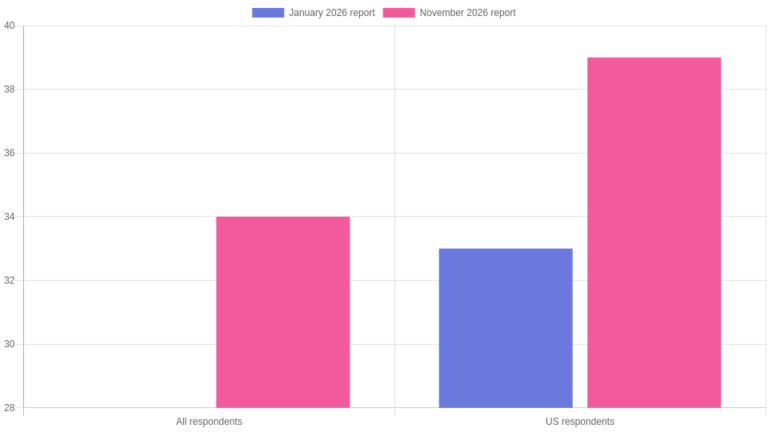
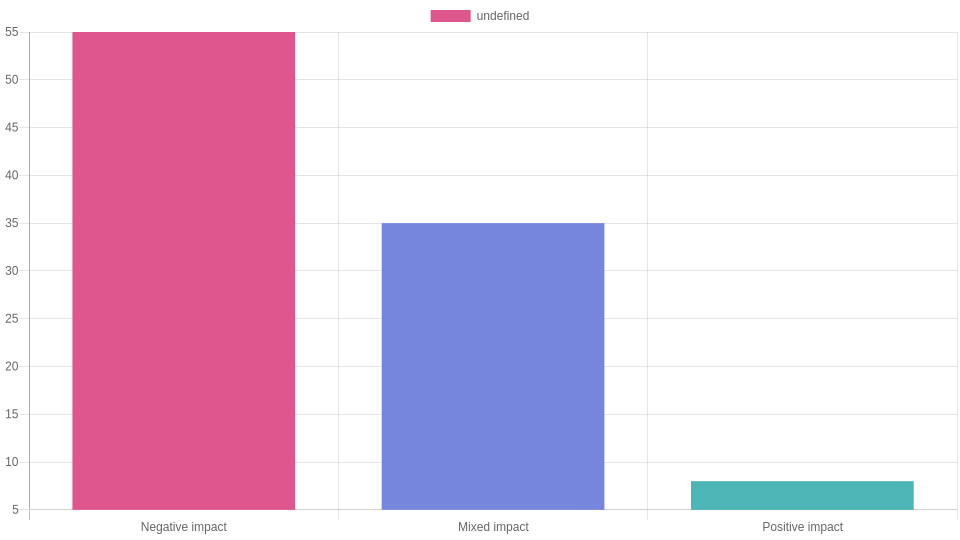
GDC released the November 2026 State of the Game Industry findings on 12 November, drawing on responses from more than 2,600 people. Forty percent said they use generative AI at work, up from 36% in the earlier report. At the same time, 55% described its overall impact on gaming as negative. Those aren’t mutually exclusive opinions. Someone can use AI to speed up a tedious task and still worry about what happens to artists, writers and junior developers.
GDC 2026 AI survey: adoption is not the same as approval
The breakdown is stark: 55% viewed the impact negatively, 35% had mixed feelings and just 8% were positive. The remaining share is not covered by those three rounded categories. Negative sentiment was nearly identical in the previous report, when it stood at 54%.
It would be wrong to interpret that as a vote against using every AI-powered tool. The survey asks about the technology’s impact on the industry, not whether respondents are willing to touch it. Those are different questions.
Quality assurance and community-support workers were especially critical, with 76% in those groups reporting negative views. Other concerns cited in the research included job security, environmental costs, copyright and legal issues, and the possibility of skills being lost when people rely too heavily on generated work.
What the GDC 2026 AI survey reveals about everyday use
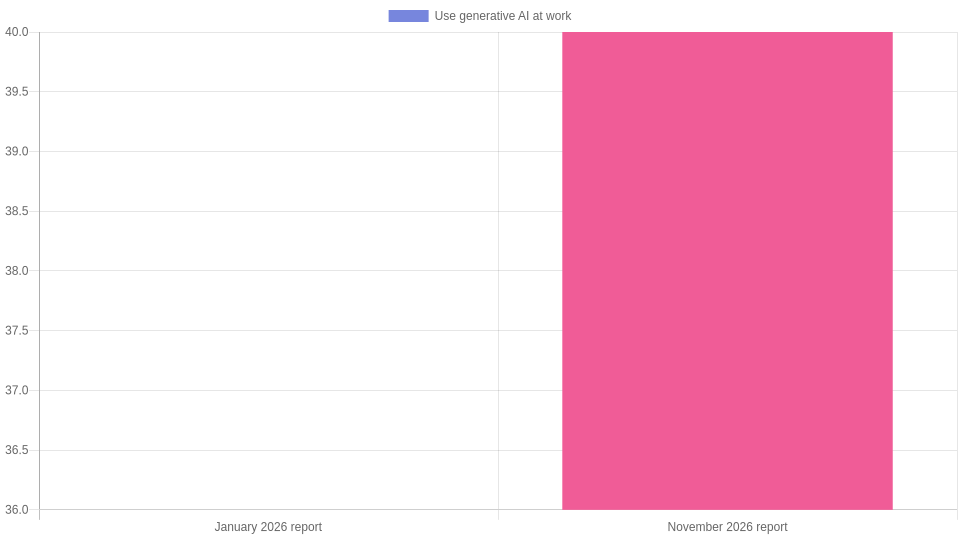
The move from 36% to 40% is modest, but the frequency of use is interesting. Among people already using generative AI, 57% said they used it daily. That’s 57% of adopters, not 57% of everyone working in games.
These are separate survey samples, not a study following the same workers through the year. So while the GDC 2026 AI survey points towards wider use, it doesn’t tell us that any particular developer has changed their position.
The use case makes a difference. There is a clear distinction between researching a technical problem or automating administration and putting generated art, dialogue or character performances into a finished game. GDC found more support for non-creative uses such as brainstorming and prototyping than for creative, player-facing material.
Why AI debates in gaming keep going round in circles
The GDC 2026 AI survey makes more sense when we stop treating AI as one single activity. A person using a text assistant to organise a meeting and a studio using generated images in place of commissioned artwork aren’t making the same choice. Neither is a programmer debugging code in the same position as a performer whose voice might be replicated. Grouping all those cases together makes the discussion less useful.
Studios could help themselves by being clearer about what AI does in their production pipelines. Saying ‘we use AI’ tells workers and players almost nothing. Was it used for administration, early experiments or content that appears in the game? Transparency doesn’t settle the argument, but at least it gives people something specific to discuss. That’s our interpretation, not a policy recommendation made by GDC.
The education figures also deserve care. Sixty-two percent of surveyed educators said they allow, encourage or require generative AI in coursework, while only 20% of surveyed students reported using it. Those are answers from separate groups. They don’t prove students are secretly rejecting the tools, but they do show why permission to use AI shouldn’t be confused with actual uptake.
The jobs question is bigger than the AI question
The jobs backdrop to the GDC 2026 AI survey matters. In the same research, 34% of respondents reported being laid off in the previous two years. That does not mean AI caused those redundancies. The survey doesn’t establish a causal link. But it’s understandable that workers already facing a difficult job market might be wary of technologies advertised as ways to do more with fewer people.
We’ve broken down the employment figures in our GDC 2026 layoffs report. For examples of how the industry is grappling with specific AI tools, see our Unreal Engine AI training terms coverage and Fortnite creator tools report.
The stakes for players aren’t abstract. Who made the artwork in the game you’re buying? Was a voice recorded with permission? Are developers being credited for their work? AI may make some jobs easier, but it doesn’t make questions about consent and creative responsibility disappear. The GDC 2026 AI survey captures why those questions are still unresolved.
Here’s what I take from the GDC 2026 AI survey: increased use isn’t an endorsement of everything generative AI can do. Developers can find it useful and still want boundaries. If studios take one lesson from these figures, it should be to stop treating adoption numbers as proof that everyone is comfortable with the consequences.
Official research source: GDC Festival of Gaming, State of the Game Industry: November 2026.