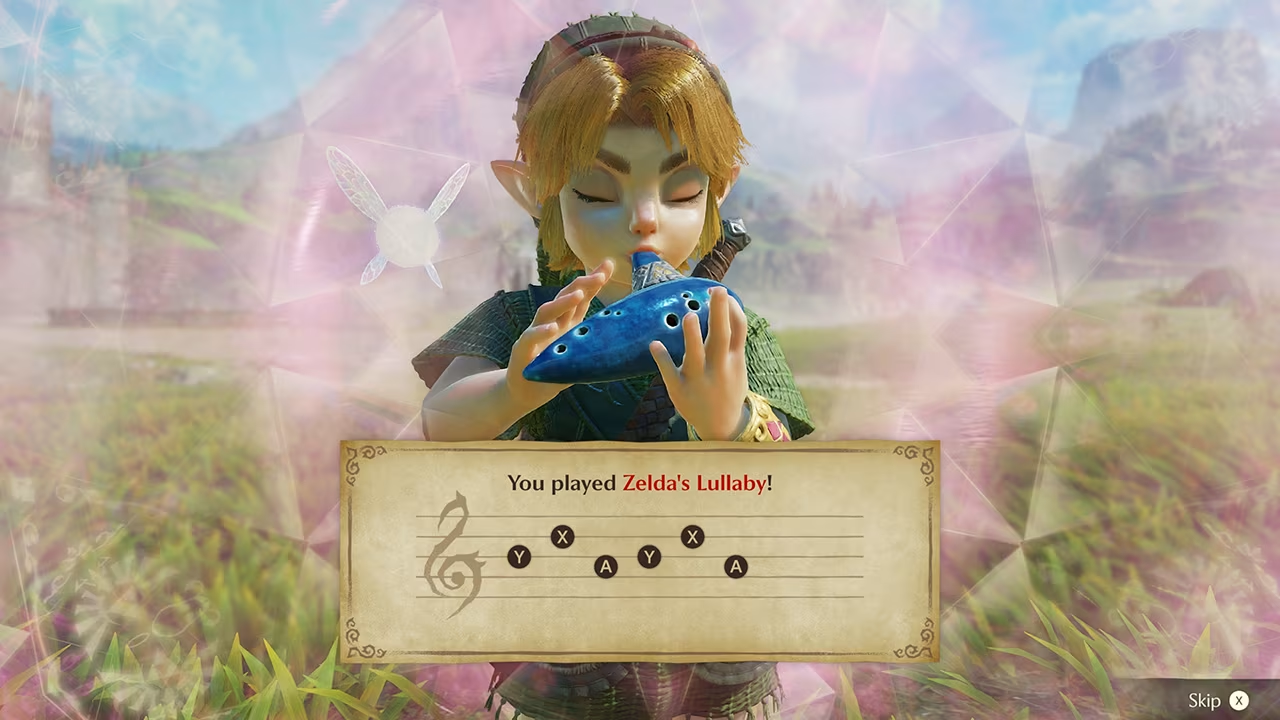
Ocarina of Time Switch 2 vs Nintendo 64 is not a comparison between two versions of the same emulator. Nintendo has rebuilt the 2026 game with new visuals, remodeled spaces, modern controls and expanded presentation, while the 1998 version reflects the original Nintendo 64 hardware and controller design.
You can still play that original through Nintendo Classics with Nintendo Switch Online + Expansion Pack. The Switch 2 remake is a separate product launching November 5, 2026.
| Visuals | Reimagined on Switch 2; original 1998 N64 presentation |
|---|---|
| Camera | Right Stick free camera; original built around fixed camera and Z-targeting |
| Movement | Dash and button jump added |
| Dialogue | Expanded and fully voiced cutscenes |
| Music | Symphonic orchestral soundtrack |
| New system | Threads of Time |
Ocarina of Time Switch 2 vs Nintendo 64: the biggest differences
Graphics and performance are radically different
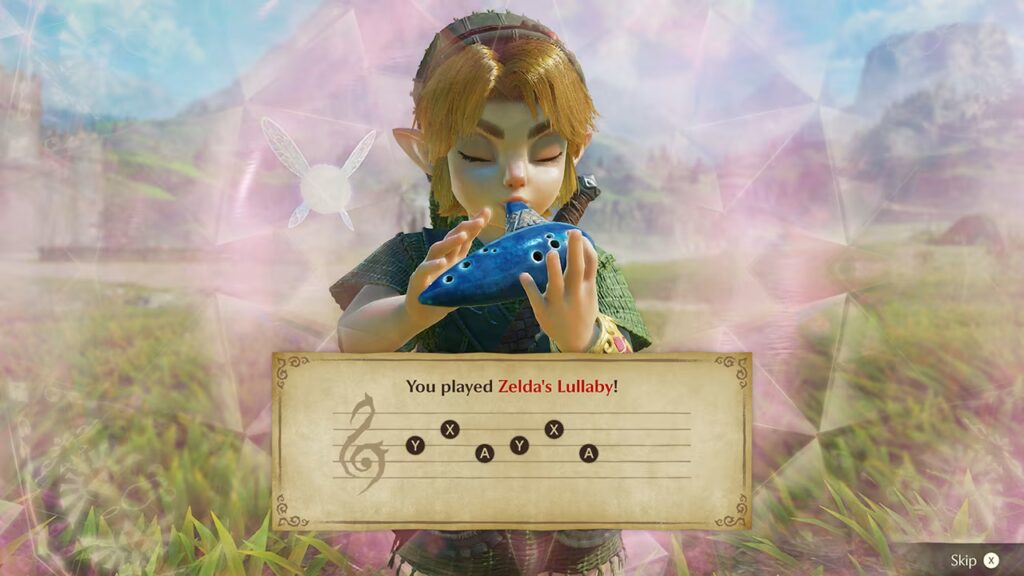
In Ocarina of Time Switch 2 vs Nintendo 64, the most immediate difference is visual detail. Nintendo says materials have been completely overhauled and locations remodeled, with smoother performance and faster load times.
The remake also supports HDR output on compatible televisions. The Nintendo 64 original predates HDR gaming entirely, so this is a display feature created specifically for the modern version.
Movement and camera have been modernised
The original game was designed around one analogue stick and C buttons. On Switch 2, players can control the camera with the Right Stick, dash across Hyrule, jump with a button command and use motion aiming with ranged tools.
That makes Ocarina of Time Switch 2 vs Nintendo 64 a meaningful control comparison rather than a button remap. Nintendo has changed how the player directly handles Link while keeping familiar combat and puzzle concepts.
Story scenes now have voices and more dialogue
The Nintendo 64 game told most conversations through text. The remake adds fully voiced cutscenes and expanded dialogue, giving major story moments a very different presentation even when the underlying events remain familiar.
The soundtrack has also moved to symphonic orchestral music with refreshed sound. Audio is therefore one of the clearest Ocarina of Time Switch 2 vs Nintendo 64 upgrades alongside the graphics.
New systems did not exist on Nintendo 64
Threads of Time can recap story progress, show the next objective and build a tapestry as the adventure continues. ZELDA NOTES adds a smart-device companion with Today’s Record, Gossip Quest, Play Ocarina and a daily quiz containing more than 2,000 questions.
The Switch 2 remake can also recognise hummed ocarina melodies through the console microphone and supports amiibo. Those features make Ocarina of Time Switch 2 vs Nintendo 64 a much broader generational change than simply comparing resolution and frame rate.
Convenience features create another generational gap
Ocarina of Time Switch 2 vs Nintendo 64 also differs in how the game helps players keep track of a long adventure. Threads of Time can recap the story, show the next objective and build a visual tapestry of Link’s progress, which is useful when returning after a break.
The modern release also supports Save Data Cloud for members, amiibo and ZELDA NOTES on a smart device. Those services did not exist in 1998, so Ocarina of Time Switch 2 vs Nintendo 64 is as much about surrounding convenience as graphics and controls.
The classic version still has a reason to exist
For players interested in historical authenticity, the Nintendo 64 version preserves the original visual language, pacing and controller assumptions that made the game influential in 1998. The remake intentionally moves away from some of those limitations.
That means Ocarina of Time Switch 2 vs Nintendo 64 is not a simple old-bad, new-good comparison. One is preservation of the original design; the other is Nintendo’s modern reinterpretation of how that design should feel on Switch 2.
There is also a philosophical difference in how both versions handle limitations. The Nintendo 64 game turns its original hardware boundaries into part of its identity, while the remake uses modern hardware to remove many of those boundaries. That gives players a real reason to choose between preservation and reinterpretation rather than treating one release as a simple replacement for the other.
For the official product information behind these details, see Nintendo.