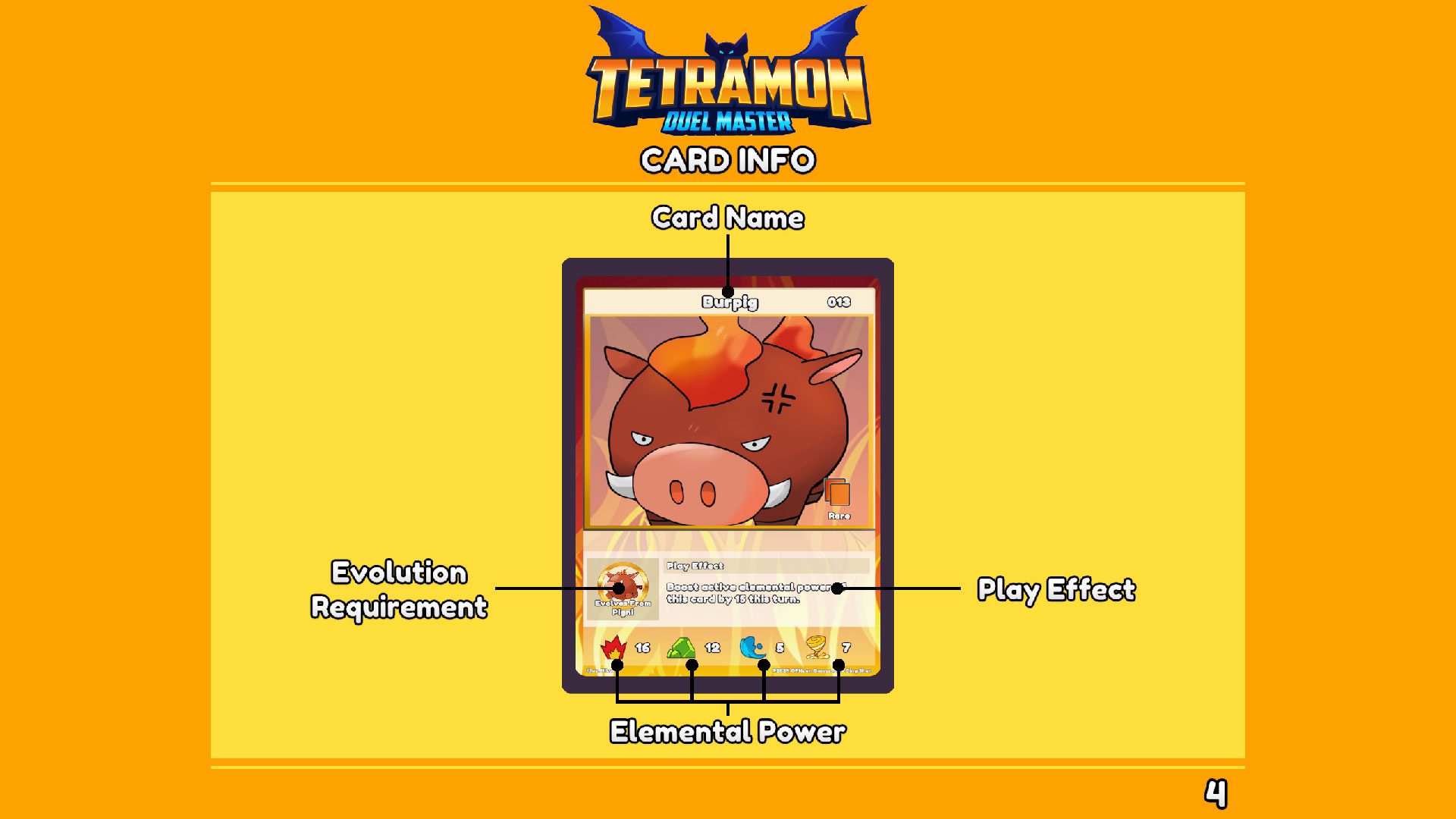
How to Build a Tetramon Deck starts at the Workbench once it unlocks at shop level 7, where version 1.0 lets you read the Tetramon rulebook, create a legal 50-card deck and select the list you want to use.
How to Build a Tetramon Deck is being expanded from the official version 1.0 rules rather than from an invented launch-day meta. OPNeon confirms the 50-card deck, four-copy limit, five-card opening hand, one mulligan, four Guardian cards, 500 starting Tamer Points, four Elemental Areas and the evolution timing that governs every match. That gives us enough firm structure to make practical decisions while still being clear where live 1.0 testing is ongoing.
How to Build a Tetramon Deck: what matters first
OPNeon’s 1.0 notes state that the Workbench unlocks at shop level 7. If the playable card game seems to be missing at the beginning of a save, that progression gate is the reason. Once the Workbench is available, place it in the shop and interact with it to reach the rulebook and deck editing tools. Early Access saves carry over into 1.0, so returning players do not need to restart just to gain access to Tetramon. That is the first thing to get right when using How to Build a Tetramon Deck.
Build exactly 50 cards
A legal Tetramon deck contains 50 cards and can include no more than four copies of the same named card. The opening hand is five cards, with one opportunity to mulligan the entire hand. Four more cards begin face-down in the Guardian Area, so nine cards are already committed or visible before normal draw turns develop. That is why duplication is useful: core Basics and key setup cards are much easier to find when you run several copies. In practice, How to Build a Tetramon Deck works better when that rule is treated as part of the whole deck or board plan rather than an isolated trick.
Balance Basics and evolution cards
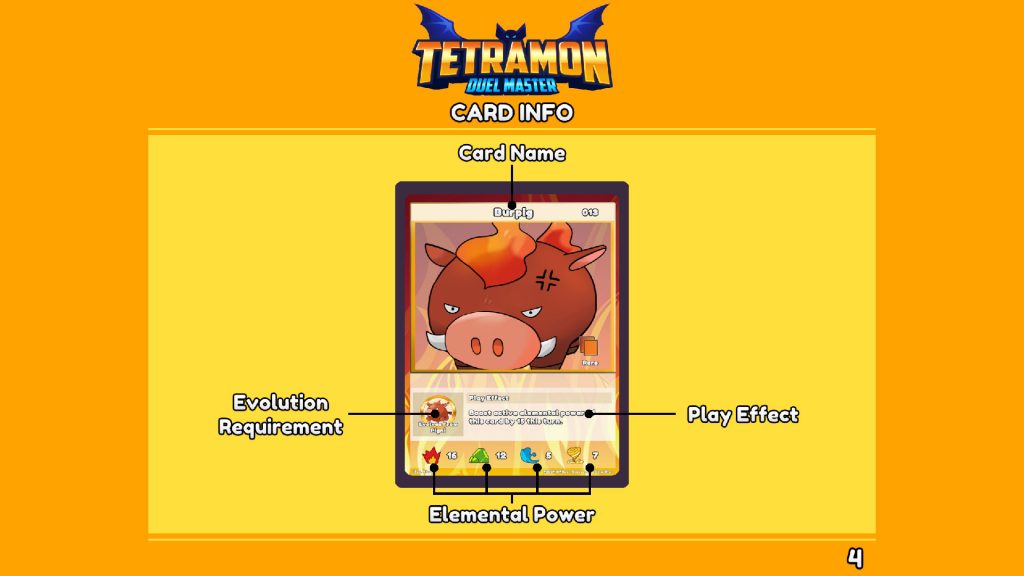
Evolution only works if the earlier Tetramon is already in play. A Basic needs to survive its first turn before it can evolve, then the game allows multiple evolution stages to be chained in the same later turn if your hand contains the correct cards. Build from the bottom of each line upward. If you own four copies of a late evolution but only one copy of its Basic, filling the deck with all four late cards is usually a consistency trap. In practice, How to Build a Tetramon Deck works better when that rule is treated as part of the whole deck or board plan rather than an isolated trick.
Plan for Elemental Areas
Fire, Earth, Water and Wind each have their own Elemental Area. A Tetramon’s Attack Power combines its printed Elemental Power with the power of the area it occupies. That gives deck construction a positional layer: do not judge cards only by rarity or artwork. Look at the elemental values and effects that make sense for the spaces you expect to contest. In practice, How to Build a Tetramon Deck works better when that rule is treated as part of the whole deck or board plan rather than an isolated trick.
Save, select and test the deck
After building the list, make it the active deck and test it against customers rather than endlessly adjusting it at the Workbench. Bad opening hands reveal missing Basics, dead evolution cards reveal broken chains and repeated mulligans reveal a consistency problem. Make small changes after several games. A deck that reliably functions is more useful than a theoretically stronger list that only works when the first five cards arrive in perfect order. In practice, How to Build a Tetramon Deck works better when that rule is treated as part of the whole deck or board plan rather than an isolated trick.
How to Build a Tetramon Deck: what to check after a few matches
The useful test for How to Build a Tetramon Deck is repeatability. Play several customer matches rather than judging one perfect draw, and watch the same pressure points each time: whether the opening five can establish a Basic, whether the mulligan fixes genuinely bad hands, whether evolution cards have the earlier stage they need, and whether Elemental Area placement is improving attacks. Guardian draws at 400, 300, 200 and 100 Tamer Points can swing individual games, so repeated results tell you far more than one dramatic finish.
For How to Build a Tetramon Deck, the most useful first-party reference is the official Tetramon Duel Master guide on Xbox Wire. OPNeon founder Ding Shen Sia sets out the deck size, Guardians, Elemental Areas, evolution timing and 500-point win condition that this page builds on.