The best JRPGs can swallow an entire weekend without you noticing. You might be rearranging a party to beat a seemingly impossible boss, following a group of students through a supernatural mystery, or spending an hour listening to the soundtrack while exploring a new town. What keeps these adventures memorable isn’t just their length. It’s the characters and decisions you grow attached to along the way.
This is a selection of Japanese role-playing games worth playing now, not a list restricted to 2026 releases. We’ve included traditional turn-based combat alongside action-heavy adventures, and made room for older games that still deserve attention. You’ll find a clear reason to try each one, a reason you might bounce off it, and an indication of where you can play.
Best JRPGs compared: Which one should you play?
| Game | Best for | Where to play |
|---|---|---|
| Persona 5 Royal | Character relationships and style | PS4, PS5 via compatibility, Xbox, Switch, PC |
| Dragon Quest XI S: Echoes of an Elusive Age | A classic fantasy quest | Switch, PS4, Xbox, PC |
| Metaphor: ReFantazio | A politically charged fantasy adventure | PS4, PS5, Xbox Series X|S, PC |
| Final Fantasy VII Rebirth | Spectacular action and exploration | PS5, PC |
| Octopath Traveler II | Traditional turn-based battles | PS4, PS5, Xbox, Switch, PC |
| Like a Dragon: Infinite Wealth | Comedy and heartfelt character writing | PS4, PS5, Xbox, PC |
| Xenoblade Chronicles 3 | An emotional science-fiction epic | Switch |
| Dragon Quest VII Reimagined | A sprawling old-school remake | PS5, Xbox Series X|S, Switch, Switch 2, PC |
| Trails beyond the Horizon | A long-running interconnected story | PS4, PS5, Switch, Switch 2, PC |
| NieR: Automata | Philosophical action and unusual storytelling | PS4, Xbox One, Switch, PC |
1. Persona 5 Royal: Character relationships and style
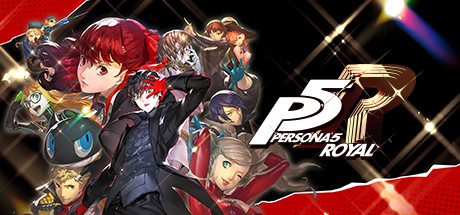
Persona 5 Royal works because its two halves constantly feed each other. During the day, Joker builds friendships, studies and explores Tokyo; after dark, the Phantom Thieves enter distorted palaces and fight through turn-based encounters. The calendar gives ordinary decisions weight, and the generous soundtrack gives nearly every activity a personality of its own.
Persona fusion and party composition become surprisingly deep, yet the first few hours explain the basics with care. The drawback is commitment: the opening takes time and the full adventure is enormous. If you enjoy spending dozens of hours with a cast, this is an obvious candidate among the best JRPGs. If you want to be left alone to explore from minute one, the constant early guidance may irritate you.
2. Dragon Quest XI S: Echoes of an Elusive Age: A classic fantasy quest
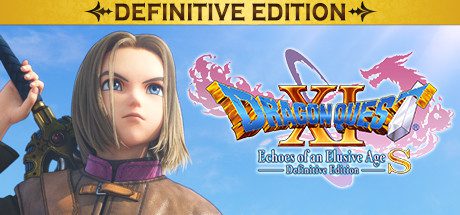
Any list of the best JRPGs needs a welcoming classic, and Dragon Quest XI fills that role, and we mean that as praise. You follow a young hero into a colourful world filled with small villages, memorable travelling companions and the sort of monsters only Akira Toriyama could design. The turn-based fights make party roles easy to understand without sacrificing tactics.
The S version brings an orchestral soundtrack, character stories and a 2D presentation you can switch to if you fancy a different look. Its plot follows some familiar genre patterns, so don’t expect constant surprises. But for someone seeking a generous, accessible adventure with a proper beginning, middle and end, it remains a wonderful place to start.
3. Metaphor: ReFantazio: A politically charged fantasy adventure
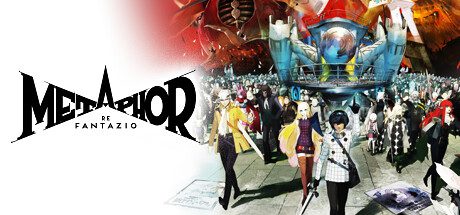
Atlus takes the calendar and relationship ideas familiar from Persona and puts them into a kingdom divided by prejudice and a contest for the throne. Metaphor: ReFantazio gives you a travelling party, strange dungeons and conversations that matter to a much larger political struggle. It is a fantasy RPG with something on its mind.
The Archetype system is the big mechanical draw. Characters can take on different roles and inherit abilities, making party-building much more flexible than a fixed-class adventure. The calendar also imposes decisions about how to spend your limited time. It earns a place among the best JRPGs for ambitious storytelling, but that time pressure won’t suit everybody.
4. Final Fantasy VII Rebirth: Spectacular action and exploration
On the action-heavy side of the best JRPGs, Rebirth sends Cloud and his companions beyond Midgar into an enormous journey of towns, open regions, minigames and increasingly high-stakes battles. It gives the cast room to breathe between major story moments, which makes both the quieter character scenes and the larger set pieces hit harder.
Combat blends real-time movement with commands, abilities and teamwork. You can experiment with each companion instead of relying on one character to do everything. Rebirth is not a good first chapter, though: it follows Final Fantasy VII Remake and expects you to know those relationships. For players already invested, this is a spectacular continuation, even if some of its open-world distractions run long.
5. Octopath Traveler II: Traditional turn-based battles
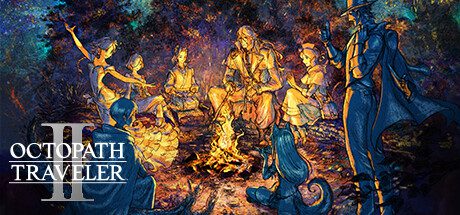
Octopath Traveler II uses its beautiful HD-2D art to tell eight different stories across the world of Solistia. The travellers have their own goals, jobs and talents, and there is a real pleasure in deciding who should share the party for a difficult battle. Its soundtrack and inventive towns make wandering between chapters worthwhile.
The Break and Boost system is wonderfully clear: expose enemy weaknesses, knock down their defences, then spend saved turns on a decisive attack. The stories are separate enough that a player looking for one tightly woven plot may feel pulled in different directions. Among the best JRPGs for old-school mechanics with modern presentation, it is hard to beat.
6. Like a Dragon: Infinite Wealth: Comedy and heartfelt character writing
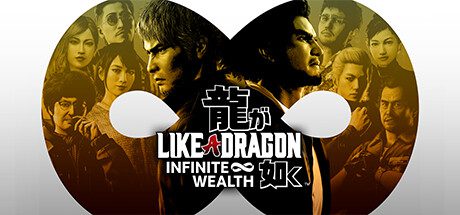
The best JRPGs have room for games that make you laugh. Infinite Wealth sends Ichiban Kasuga to Hawaii and gives its huge cast room for both ridiculous comedy and genuinely moving personal drama. Street encounters become turn-based fights, while job changes let your party approach each battle with completely different abilities. The city itself is stuffed with worthwhile distractions.
You can spend hours chasing side stories, managing activities or simply getting to know the characters. That generosity is both its strength and its main drawback: the game rarely knows when to stop offering you something else to do. It also benefits from familiarity with earlier Like a Dragon stories. Choose this when you want laughter and affection alongside your battles.
7. Xenoblade Chronicles 3: An emotional science-fiction epic
Xenoblade Chronicles 3 follows soldiers Noah and Mio through a world where entire generations are shaped by war. Its six-person party and seamless landscapes give the journey a very different rhythm from small turn-based encounters. Exploration is generous, and character scenes make the stakes of the conflict increasingly personal.
The combat grows into a complex system of classes, arts and team combinations. That depth can feel overwhelming early on, especially if you prefer one clear menu of commands at a time. But the pay-off is a battle system that rewards planning as much as immediate decisions. It is one of the best JRPGs for players who want a long, emotional journey on Nintendo hardware.
8. Dragon Quest VII Reimagined: A sprawling old-school remake
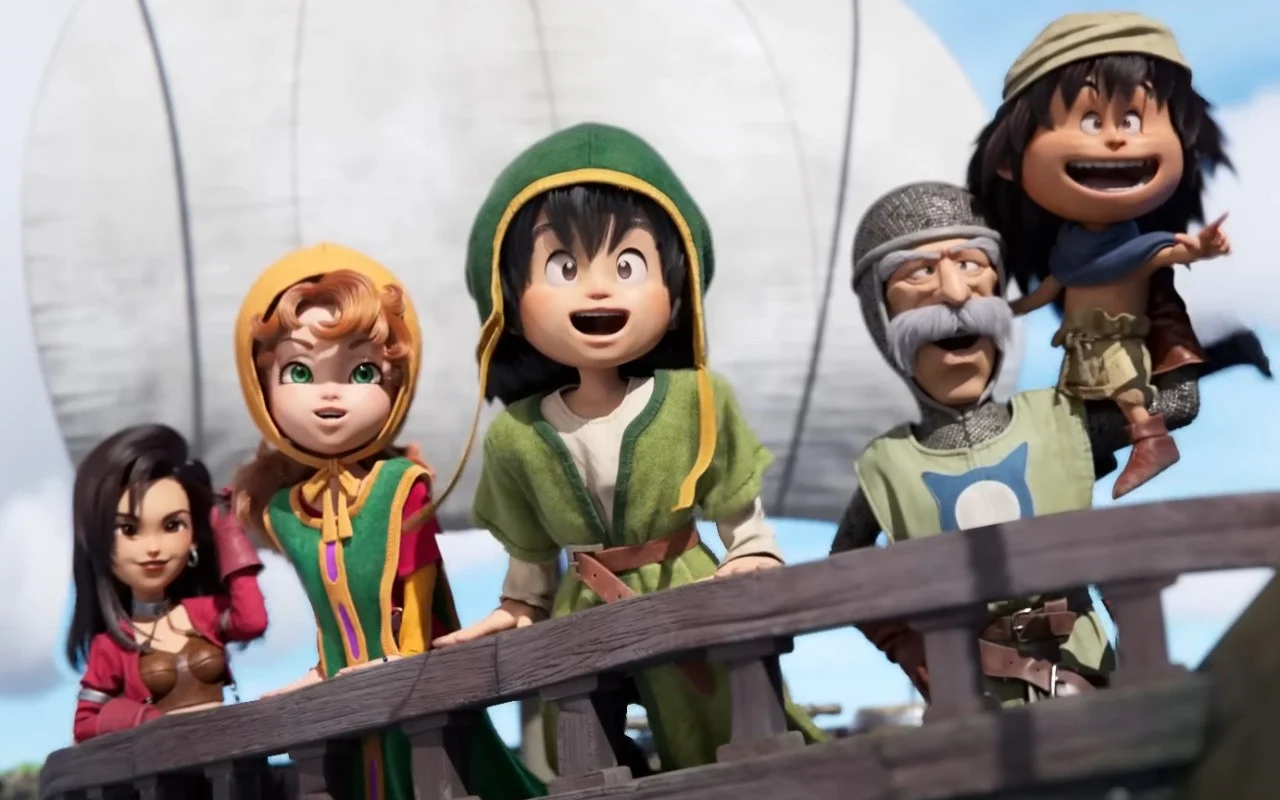
One of the best JRPGs released in 2026, Dragon Quest VII Reimagined begins with a deceptively small island, then uses mysterious fragments and journeys into the past to reveal a much bigger world. Its diorama-like visuals are full of charm, and its streamlined storytelling makes a famously lengthy original easier to approach.
The vocation system gives battles purpose beyond picking whichever attack deals the most damage. Moonlighting lets a character use two vocations, encouraging experiments with party roles. It still has the measured pace of traditional Dragon Quest. If you like solving the troubles of small towns and seeing how they change across time, it is an excellent recent addition to the genre.
9. Trails beyond the Horizon: A long-running interconnected story
The Trails series has spent years building a world of rival nations, changing alliances and characters whose decisions echo across several games. Trails beyond the Horizon draws heavily on that history, and a returning face can carry as much emotional weight as a dramatic battle.
That is also why this is not the first Trails game we would put in a newcomer’s hands. You can learn the systems, but some revelations depend on knowing what came before. For committed fans, that accumulated history is exactly why it belongs among the best JRPGs. Consider starting with an earlier arc if this is your first visit to Zemuria.
10. NieR: Automata: Philosophical action and unusual storytelling
The best JRPGs are not all turn-based. NieR: Automata begins with android soldiers fighting machine lifeforms on a ruined Earth, then steadily changes what you think the story is about. PlatinumGames’ action combat is immediately enjoyable, but the game’s greatest achievement is how it uses viewpoint changes, music and repetition to tell a story that would be hard to deliver in another medium.
Its multiple routes are essential rather than optional padding, so stopping after the first credits misses an enormous amount. Some sequences experiment with genres and perspectives, which can be disorienting. If you want a Japanese RPG that surprises you structurally and emotionally, it deserves a place on your shortlist.
When deciding between the best JRPGs, focus on the kind of experience you want rather than the number beside each title. The right choice can be very different for someone who wants a quick session and someone planning a long campaign.
What is the best JRPG for beginners?
Dragon Quest XI S is our first suggestion if you want traditional turn-based battles, understandable character roles and a friendly opening. Persona 5 Royal is another great starting point if the mix of social simulation and supernatural adventures sounds appealing, though the early tutorials are considerably longer. The best JRPGs for beginners are the ones that teach their systems without making you study a guide first.
Part of what makes the best JRPGs worth revisiting is that they reward different habits: exploration, experimentation, timing, persistence or playing with a group. None of those has to be your favourite.
Should you start with a newer or older game?
Finding the best JRPGs does not mean buying only new releases. There is no reason to insist on a brand-new release. Dragon Quest XI and Persona 5 Royal still offer outstanding full adventures, while Dragon Quest VII Reimagined makes a much older design more accessible. If you crave expressive combat, Final Fantasy VII Rebirth and NieR: Automata go in a different direction. The best JRPGs span several generations because the genre has never had just one way to tell a story.
One strength of the best JRPGs is how much variety sits inside the category. A recommendation here is not a promise that every player will enjoy the same mechanics.
Which JRPG should you play first?
Choose Persona 5 Royal for a cast you can live with for months, Dragon Quest XI for a warm traditional quest or Metaphor: ReFantazio for fantasy with strong political themes. Pick Octopath Traveler II if turn-based combat is your priority, and NieR: Automata for a story that keeps changing shape. The best JRPGs are long games, but a lot of their appeal comes from enjoying the journey rather than racing towards the ending.
Official source: Square Enix: Dragon Quest VII Reimagined.