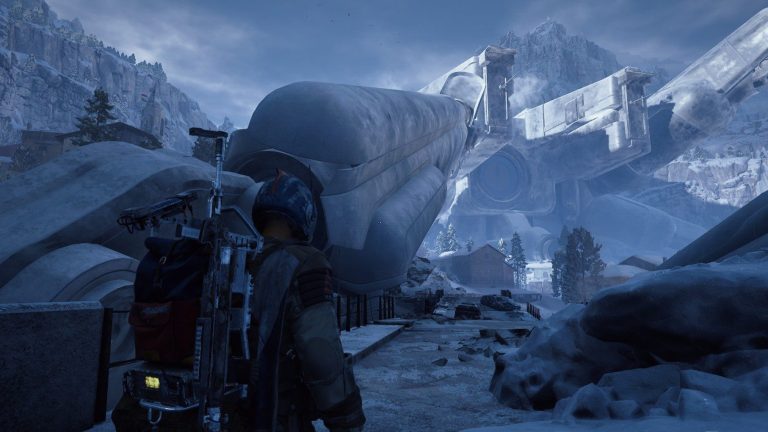
ARC Raiders Hurricane is a high-difficulty map condition with strong winds, reduced visibility and hearing, shield-damaging debris, higher-threat ARC and exclusive First Wave Caches. The condition is one of the best blueprint-farming opportunities in ARC Raiders, but it is also one of the easiest ways to lose a good loadout if you stay exposed too long.
The key to an ARC Raiders Hurricane is using the storm rather than fighting against it. Move with the wind when possible, use solid cover between open areas and listen for First Wave Caches around debris fields instead of trying to loot every ordinary building on the map.
What changes during ARC Raiders Hurricane?
An ARC Raiders Hurricane changes movement, visibility, combat and loot all at once. The wind affects exposed travel and thrown items, debris damages shields, ARC activity becomes more dangerous and the storm uncovers First Wave Caches.
| Hurricane effect | What it changes |
|---|---|
| Strong wind | Movement and jumping are pushed by the wind direction |
| Reduced visibility and hearing | Raiders and ARC are harder to track at range |
| Debris damages shields | Staying exposed steadily wears down protection |
| Higher-threat ARC | More dangerous machine encounters during the condition |
| Increased loot value | More valuable scavenging opportunities |
| First Wave Caches | Exclusive storm containers with high-value loot and blueprint chances |
The combination makes ARC Raiders Hurricane a 5-of-5 difficulty condition. You are rewarded for taking the risk, but a route that feels easy on a normal map can become awkward once the wind, debris and visibility all stack together.
How wind affects movement
Wind direction matters throughout an ARC Raiders Hurricane. Running directly against the wind drains stamina faster and slows you down, while moving with it can make traversal quicker.
Jumping is affected too. The wind can push you sideways or carry you farther than expected, which matters around rooftops, cliffs and broken structures. Avoid precision jumps unless you know which way the storm is blowing.
- Use covered routes for long cross-map travel.
- Move with the wind when you have a choice between two paths.
- Avoid long exposed sprints directly into the wind.
- Be careful with rooftop jumps and narrow ledges.
- Leave extra stamina before crossing open ground.
Does Hurricane affect throwables?
Yes. ARC Raiders Hurricane wind can push thrown tools and explosives away from the line you expected. A grenade or utility item that lands perfectly in calm weather can drift during the storm.
Do not make one precision throwable the only way your route works. Get closer when possible, aim with the wind in mind and keep a backup plan if the throw misses.
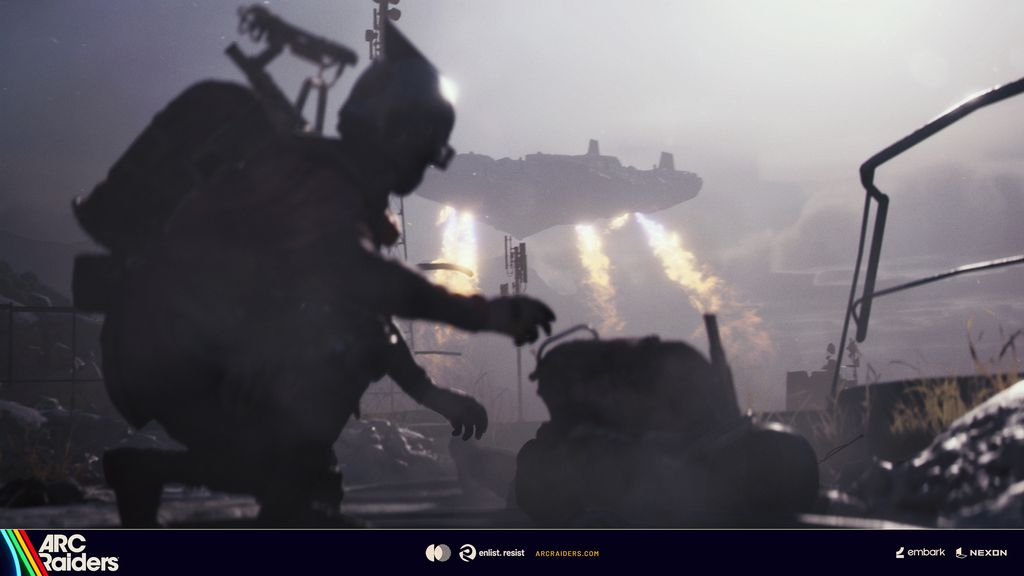
What are First Wave Caches?
First Wave Caches are special loot containers that appear during ARC Raiders Hurricane. They are upgraded versions of Raider Caches and can contain weapons, ammunition, healing, shields, attachments, grenades and blueprints.
The caches are usually found around storm debris and can be identified by their larger appearance, faint glow and electronic ticking or humming sound. The wind makes audio harder to use, so slow down around likely cache areas instead of sprinting straight through them.
Best maps for First Wave Caches
The best ARC Raiders Hurricane map depends on which cache route you already know. First Wave Cache spots are documented across Dam Battlegrounds, The Blue Gate and Buried City, with large clusters around several named points of interest.
| Map | Strong First Wave Cache areas |
|---|---|
| Dam Battlegrounds | Water Towers, Controlled Access Zone, Scrap Yard |
| The Blue Gate | Ridgeline, Barren Clearing, Adorned Wreckage |
| Buried City | Warehouse, Church Ruins, Outskirts |
Not every possible First Wave Cache spot is filled in every ARC Raiders Hurricane run. Treat the locations as a route of likely checks rather than a guaranteed container at every marker.
Can First Wave Caches drop blueprints?
Yes. Blueprint farming is one of the main reasons players chase an ARC Raiders Hurricane. First Wave Caches can contain rare weapon blueprints alongside other high-value gear.
Specific blueprint drops are random, so one cache does not guarantee a Tempest, Bobcat, Vulcano or any other named blueprint. The value comes from running several likely cache locations during the same condition window.
How debris damages shields
Flying debris during an ARC Raiders Hurricane can repeatedly chip away at your shield while you stay outside. The damage is easy to underestimate because it builds over time rather than arriving as one obvious attack.
Use buildings, walls and large terrain features to break up exposed travel. If your shield is already low, do not spend another minute standing in the open just because you are listening for a cache.
Best Hurricane loadout
A strong ARC Raiders Hurricane loadout should prioritise shield recovery, healing and a weapon that remains reliable when visibility is poor. You want enough supplies to survive the storm without filling the backpack before you find the loot you came for.
- Shield restoration: useful against steady debris damage.
- Healing: enough to recover from ARC fights and storm mistakes.
- Reliable close-to-mid-range weapon: easier to use when visibility drops.
- Flexible utility: avoid relying on precision throwables in strong wind.
- Open backpack slots: leave room for weapons, blueprints and cache loot.
How to survive the storm
The safest ARC Raiders Hurricane route moves from cover to cover rather than crossing large open spaces in one sprint. Plan the next building or terrain feature before leaving the one you are already using.
- Check the wind direction before crossing an open area.
- Move with the wind when possible.
- Use cover to reduce debris damage.
- Slow down around likely First Wave Cache areas and listen for the electronic sound.
- Avoid unnecessary ARC fights if the storm has already worn down your shield.
- Leave once you have the blueprint or high-value loot you came for.
Which maps get Hurricane?
ARC Raiders Hurricane appears on Embark’s live Map Conditions schedule. Current rotations include maps such as Dam Battlegrounds, Buried City and The Blue Gate, with the active map changing throughout the day.
The official schedule uses one-hour windows. On October 18, for example, Embark lists Hurricane on Dam Battlegrounds, Buried City and The Blue Gate at different times.
Is Hurricane worth farming?
ARC Raiders Hurricane is worth farming when you want First Wave Caches, blueprints or high-value storm loot and already know the map well enough to move through poor visibility.
It is a bad condition for a relaxed quest run or a first visit to a map. The combination of wind, debris, stronger ARC and poor visibility makes simple navigation much harder than normal.
Related Guides
Official source: ARC Raiders Map Conditions: Hurricane.