Planet Zoo 2 ecosystem restoration is what turns a damaged Wildlife Reserve into somewhere animals can actually live. Before you start releasing groups from your zoos, the reserve may need pollution cleared, invasive plants removed and its water, terrain and foliage brought back into balance.
It’s tempting to spend all your time on the animals, but a struggling ecosystem will limit your reserve’s Biodiversity Rating even after you release healthy animals. Work through the condition of the land first, then match the animals you want to release to the ecosystem types available at that location.
How Planet Zoo 2 ecosystem restoration works
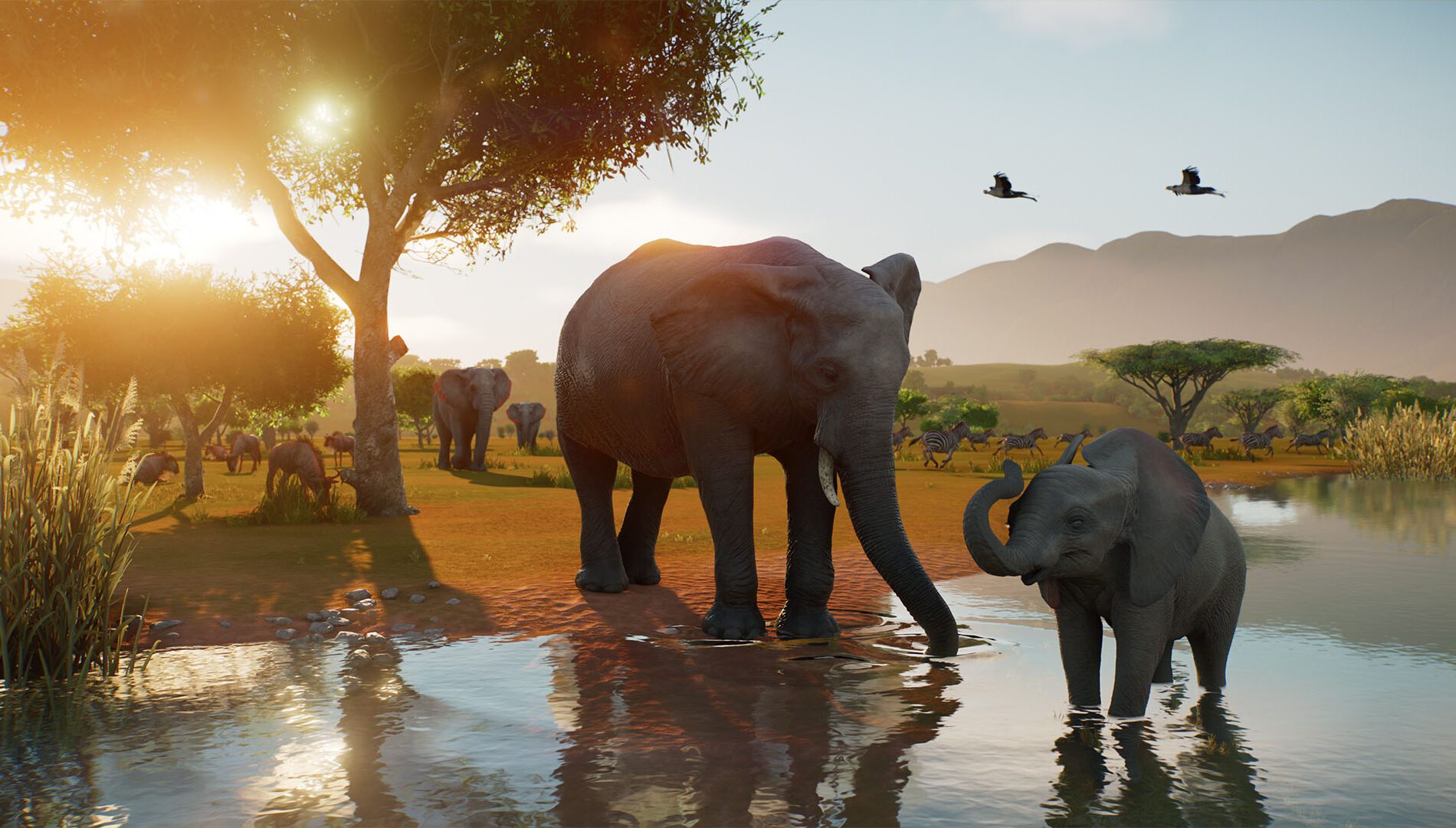
Wildlife Reserves contain separate ecosystems, with choices determined by geography. A grassland reserve can support a different set of landscapes from a forest reserve; examples include watering holes and lowland marshes. You create or restore appropriate ecosystems and then introduce animals with roles that suit those places.
Each ecosystem has its own condition and progress, so fixing one marsh doesn’t repair an entire reserve. When you open the ecosystem information, look at the environmental problems and what the area needs to become established. The aim of Planet Zoo 2 ecosystem restoration is to get the environment into a healthy state rather than only make it look attractive.
Planet Zoo 2 ecosystem restoration: remove environmental pollution
Pollution is one of the first things to look for when opening a new reserve. Locate affected areas through the reserve’s ecosystem information and use the restoration tools available for the site. Clear the problem before introducing sensitive populations. A patch of pollution can continue dragging down progress even if the surrounding habitat looks complete.
If your biodiversity isn’t responding to animal releases, return to the ecosystem status and check whether there is still pollution present. It’s easier to clean the reserve at the beginning, when you aren’t trying to work around several released populations and a Research Network.
Planet Zoo 2 ecosystem restoration: remove invasive plants
Invasive plants are a separate problem from pollution. Removing only one leaves the other as a reason an ecosystem may remain below its potential. Clear invasive vegetation from the affected ecosystem, then use the foliage and terrain tools to meet its environmental requirements.
The new Nature Brush tools let you make larger foliage changes, but filling every square metre with trees isn’t a universal fix. What matters is the balance expected for that ecosystem. Wetland animals, grassland grazers and forest species need different surroundings; the correct setting depends on the selected reserve and ecosystem.
Planet Zoo 2 ecosystem restoration: balance water and terrain
The Planet Zoo 2 ecosystem restoration system pays attention to the condition of the environment, including water, vegetation and terrain. Check these together. A grassy area with nowhere suitable to drink isn’t ready for every animal, while a wetland without the expected foliage can still fall short of its target state.
Choose the ecosystem type that matches the location and the animals you want to introduce. Shape or supply the needed terrain and water, then recheck the ecosystem rating. If one of the requirements is still short, fix that specific piece instead of redesigning a healthy part of the reserve.
4. Build an established or flourishing ecosystem
A restored ecosystem can progress through healthier states, including Established and Flourishing. Those states matter to the reserve’s overall biodiversity performance. To improve an ecosystem further, make sure the environment is restored and the appropriate ecological roles are being filled by living animal populations.
A completely clean site with no animals won’t achieve the same result as a balanced ecosystem. Similarly, releasing six groups of the same species doesn’t automatically replace predators, grazers and browsers that carry out different functions. Plan the animal population around what that ecosystem needs.
5. Release species that belong in that ecosystem
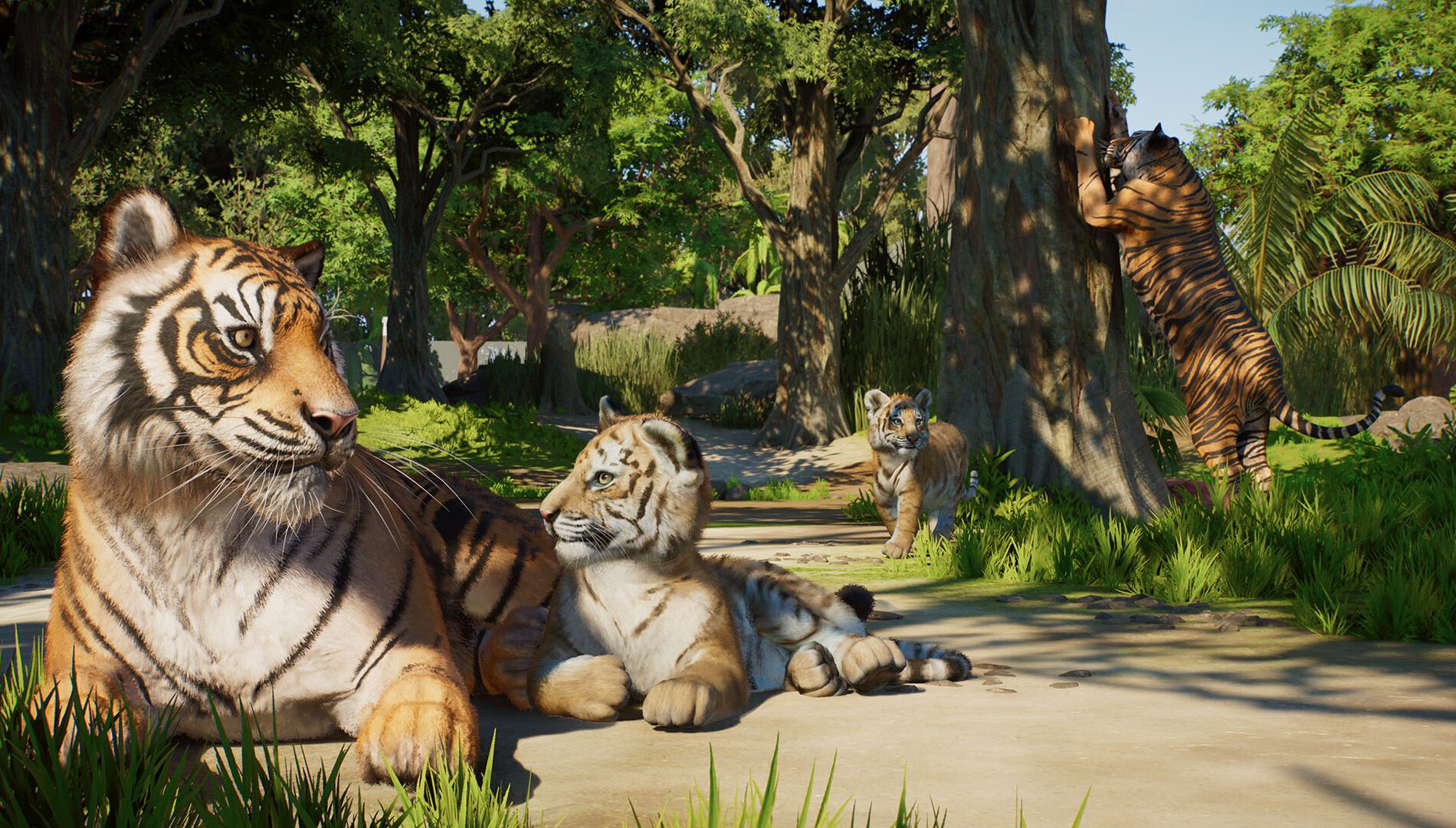
Once the landscape is ready, research eligible species back at your zoo and assemble their Release Groups. Different animals have different requirements, including the number and condition of animals in the group. Check that the species actually has a suitable reserve before moving anything.
After a successful release, its animals fill ecological roles. Some browse vegetation, others affect the soil or hunt. Getting the roles into balance supports an ecosystem’s health and the reserve’s Biodiversity Rating. For Planet Zoo 2 ecosystem restoration, the species matters as much as the raw animal count.
Our Wildlife Reserve release walkthrough explains how to prepare a group. The Biodiversity Rating guide covers the separate research and animal-role targets needed to turn healthy ecosystems into reserve stars.
Planet Zoo 2 ecosystem restoration: why a reserve is not flourishing
If the ecosystem has stopped improving, check the problems in a fixed order. First, confirm pollution and invasive growth have both been cleared. Next, compare water, terrain and vegetation with the selected ecosystem’s targets. Then examine animal roles and whether released groups are still alive and supporting the ecosystem.
Research coverage is another reserve-wide factor, but adding a Camera Trap won’t substitute for cleaning a polluted marsh. The Planet Zoo 2 ecosystem restoration checks are about the natural area itself; research coverage is handled by Observation Platforms, Camera Traps and Acoustic Monitors.
Different Wildlife Reserve locations support different species and ecosystem options. If you cannot select the type you planned, inspect the choices available in that location before spending time terraforming. A species might belong in another reserve instead of the one you’re trying to develop.
How ecosystem work helps Franchise Accreditation
Franchise progression uses Biodiversity stars from Wildlife Reserves as well as Reputation stars from zoos. Tier 3 needs one three-star reserve, tier 4 needs two and tier 5 needs three. A reserve whose ecosystems remain degraded may hold you back even with healthy zoo breeding groups ready to release.
Finishing the environmental cleanup early makes later releases and monitoring easier. Once your ecosystems are healthy, focus on filling animal roles and spreading the Research Network across the reserve. Those are the next major jobs after Planet Zoo 2 ecosystem restoration.
Related Guides
- Wildlife Reserves and How to Release Animals
- Franchise Accreditation Unlocks
- How to Earn Conservation Credits
- Increase Your Reserve Biodiversity Rating
- Animal Welfare and Thriving
- Beginner’s Guide
- Making Money in Your Zoo
- Franchise Mode Not Working
Official game source: Planet Zoo 2 by Frontier Developments.