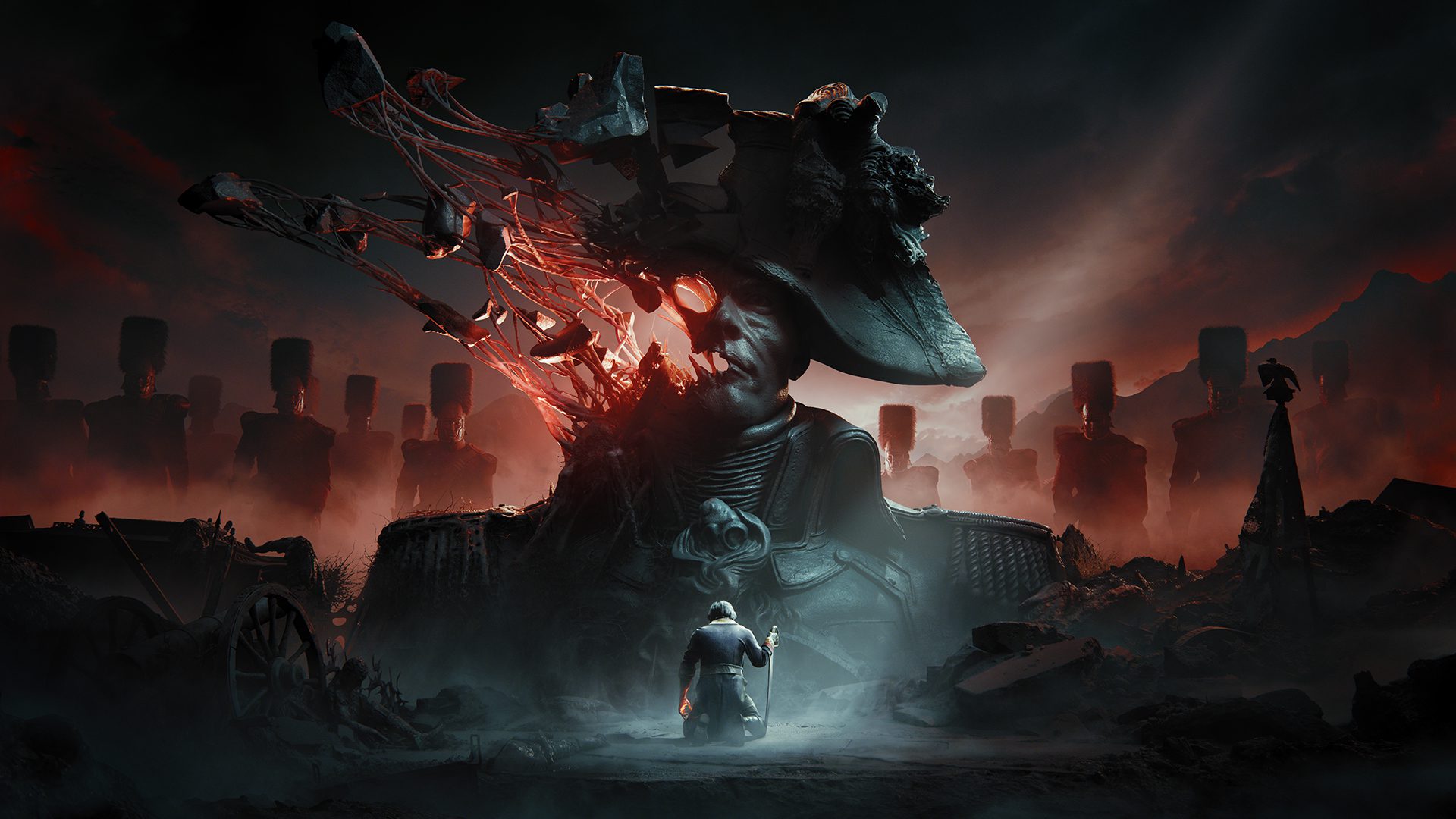
Valor Mortis difficulty is one of the first things players are likely to investigate because One More Level is combining the speed and first-person perspective associated with Ghostrunner with a slower, more deliberate action-RPG structure. Trailers show fast movement, firearms, melee weapons and supernatural abilities, which can make it unclear how demanding the final combat loop will be or how much freedom players get to soften it. The studio has now explained enough of the combat and progression systems to judge the intended challenge without relying on the camera angle alone.
The more useful question is what that challenge means in practice. Similar action RPGs can use very different death penalties, checkpoint rules, assistance options and progression systems even when they share surface-level ideas. Here, the developer has described a specific philosophy built around persistence, stamina, parries, bosses, dropped upgrade currency and checkpoint-based progression. Looking at those systems together gives a much better picture of the intended experience before the first direct answer.
Valor Mortis Difficulty and Soulslike Design
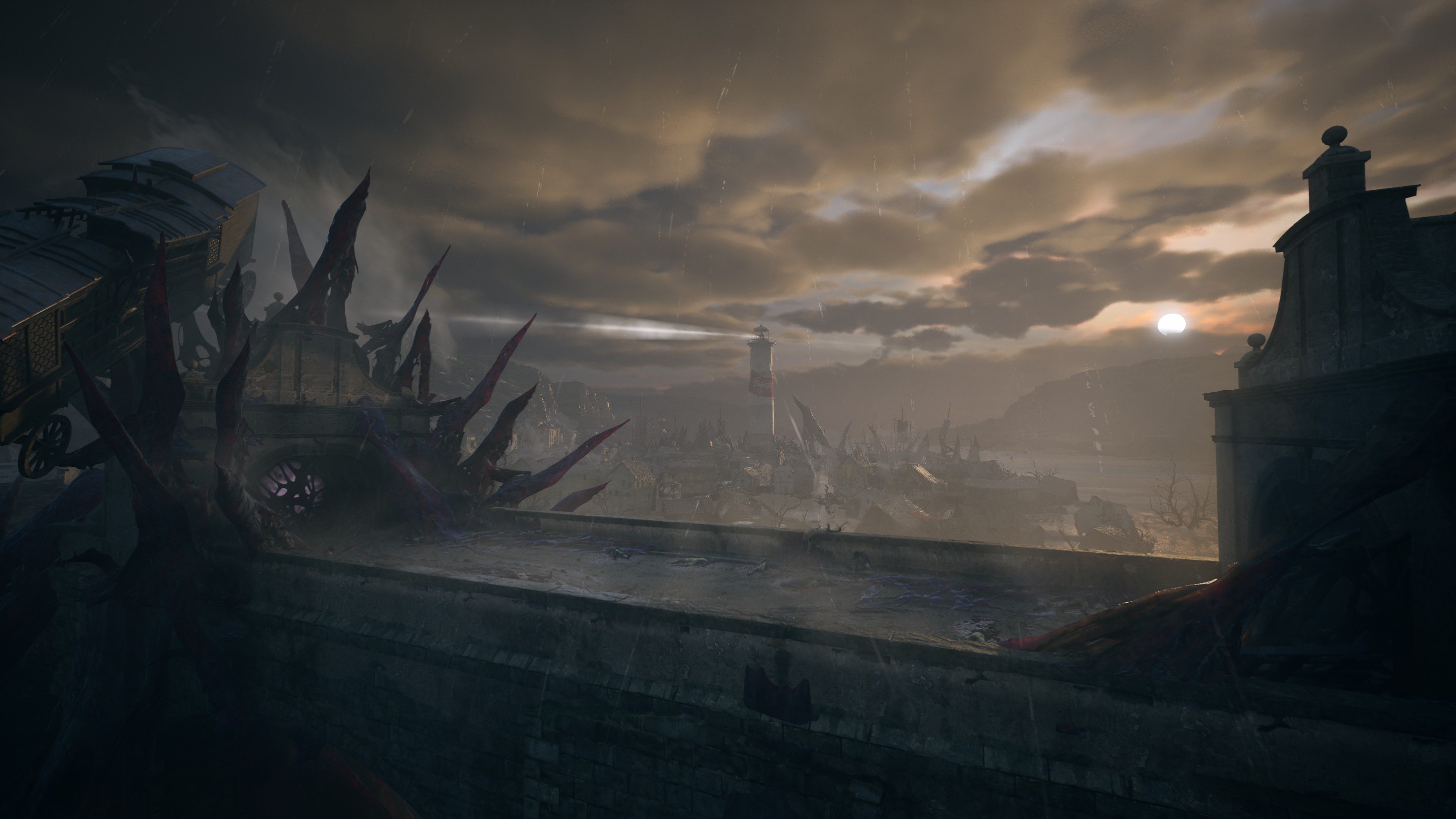
Valor Mortis difficulty is deliberately built around a Soulslike structure. One More Level and Lyrical Games officially describe the game as a first-person action Soulslike, and the combat overview backs that label with stamina management, light and heavy attacks, parrying, counterattacks, demanding boss encounters and a death penalty tied to the game's upgrade currency.
The first-person camera is the unusual part, not the genre foundation. Instead of copying a third-person presentation, the studio applies Soulslike risk and progression to the kind of fast first-person movement it learned through Ghostrunner. Valor Mortis difficulty is therefore intended to come from learning systems and encounters rather than simply raising enemy health behind a familiar label.
Does Valor Mortis Have Difficulty Settings?
At launch, Valor Mortis difficulty is set around one intended challenge rather than selectable easy, normal and hard levels. In a July interview, One More Level's Szymon Bryła said the release version would not have difficulty levels and described the target as challenging, persistent, clear and fair. That makes player learning part of the core design rather than an optional mode.
The same developer advice emphasized perfect parrying and aggressive direct combat. Those references help explain the balance goal without turning Valor Mortis into a clone of any one game. The player is expected to read attacks, manage stamina, choose the right weapon and improve execution instead of lowering a conventional difficulty preset after a difficult boss. The fixed Valor Mortis difficulty is part of the studio's intended learning curve, not a temporary omission from the store page.
How Combat Creates the Challenge
The official gameplay overview shows why Valor Mortis difficulty is more than a damage-number question. William has light and heavy attacks, parries and counterattacks, while weapon choice changes how an encounter should be approached. The Claymore is presented as a slow two-handed blade with very high impact, while the Musket trades speed for greater range and power than William's pistol.
Matching weapons to enemies is part of the intended decision-making. A slower high-impact weapon may create strong punish opportunities but demands better timing, while ranged tools change spacing and pressure. This gives the combat a tactical layer on top of reflexes, and it means the best response to a difficult enemy may be a different loadout or approach rather than simply repeating the same attack pattern. That variety changes how players can respond to the Valor Mortis difficulty without changing the underlying rules.
What Happens When You Die?
Death directly feeds the Valor Mortis difficulty loop through Catalysts. Catalysts are the upgrade currency spent at Lanterns to improve statistics such as health, stamina and parry, and the official overview says they are dropped where William falls when he dies. That creates the familiar risk of returning to a dangerous area with progress sitting on the line.
Lanterns are also where the player develops a build. Ambers found throughout the game can be equipped as William levels up, adding another layer of customization around the fixed overall challenge. This matters because a single difficulty setting does not mean every player has to use the same build or solve every encounter in exactly the same way. The Valor Mortis difficulty loop therefore combines risk after death with persistent ways to strengthen and specialize William.
Do Supernatural Powers Make It Easier?
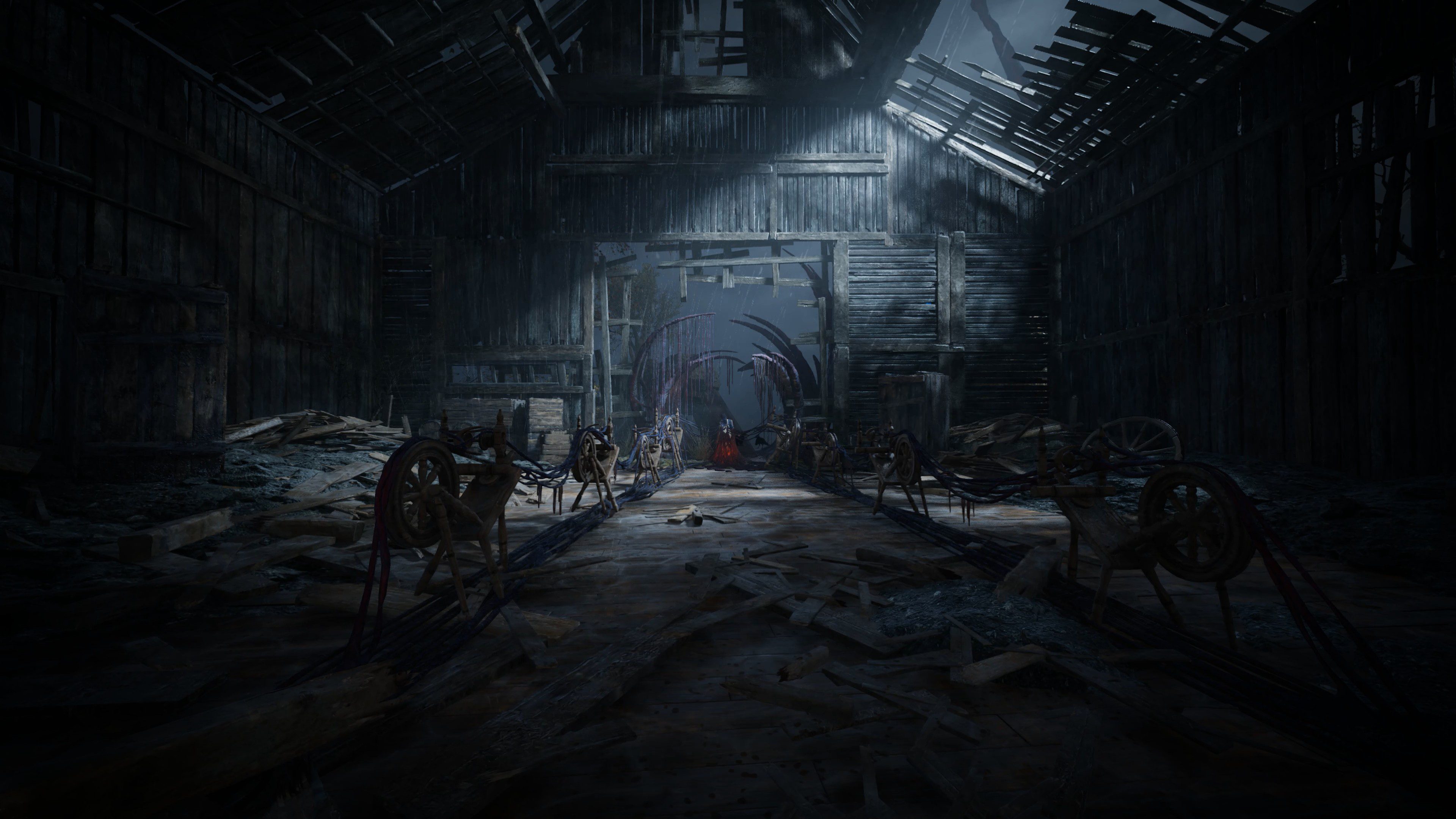
Transmutations give players more tools to manage Valor Mortis difficulty without functioning as a traditional easy mode. William can use Fire to set enemies burning, Shield to absorb damage and release a shockwave, and Grapple to move through the environment using grapple points. Other Transmutation effects can buff William, weaken enemies or deal direct damage.
The important design idea is flexibility. The game may have one intended challenge level, but players can still change weapons, improve statistics, equip Ambers and choose supernatural abilities that suit their strengths. Difficulty is therefore softened through mastery and build choices rather than a menu slider.
Why the First-Person View Matters
A first-person Soulslike creates readability problems that third-person games solve by pulling the camera farther away, so One More Level has discussed presentation changes designed for large enemies. The studio has specifically mentioned dynamic field-of-view scaling to make huge bosses easier to read during combat. That is a usability choice rather than a lower Valor Mortis difficulty setting.
The result is a game trying to preserve demanding encounters while giving the player enough visual information to react fairly. That fits the developer's stated goal of challenge that rewards persistence without becoming obscure. Whether the final balance lands perfectly will only be clear after release, but the philosophy and core systems are already unusually explicit. The studio is using camera behavior to support the intended Valor Mortis difficulty rather than replacing that challenge with a separate mode.
Valor Mortis Difficulty Summary
Valor Mortis difficulty follows a genuine Soulslike design even though the game is played in first person. The launch version uses one intended challenge instead of selectable difficulty levels, with stamina, parries, counters, bosses, dropped Catalysts, Lantern upgrades, Ambers and flexible Transmutations shaping progression. The studio's stated target is a demanding but fair game where persistence, build choices and execution are the main ways to overcome difficult encounters.
Official source: Lyrical Games gameplay overview announcement