Phantom Blade Zero Hellwalker is the difficulty option attracting the most attention from players who want the combat system to push back without immediately moving into the game’s unusual limited-life challenge. S-GAME has described Phantom Blade Zero as an action game built around fluid attacks, deflections, counters and weapon choice, so difficulty is especially important here. The question is not only how much damage an enemy deals, but whether higher settings change how opponents react to the way Soul fights.
That distinction is where Hellwalker becomes interesting. The official State of Play deep dive confirms that S-GAME is using more advanced and adaptive enemy intelligence at this level, while also offering a story-focused Wayfarer option and the separate Sixty-Six Days mode for players who want even more pressure. Before choosing Hellwalker, it helps to understand exactly what the developer has confirmed, what remains unquantified, and how the setting fits into the wider combat and build systems.
What is Phantom Blade Zero Hellwalker difficulty?

Image credit: S-GAME / PlayStation
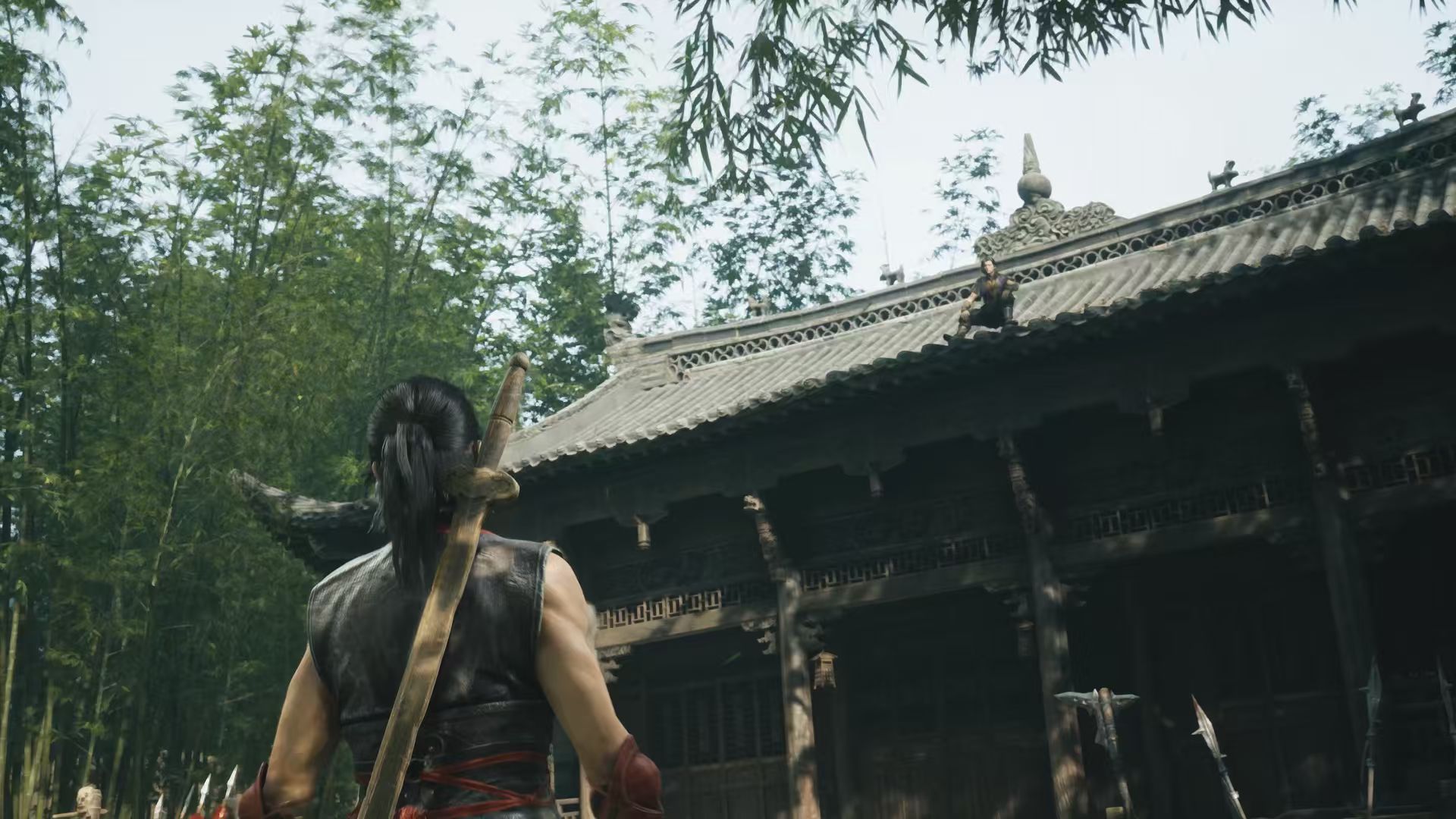
Phantom Blade Zero Hellwalker is a high difficulty setting that uses more advanced and adaptive enemy intelligence. S-GAME confirmed the mode during the August State of Play and positioned it as the choice for players who want a tougher combat challenge than the story-focused Wayfarer experience. The important part is the enemy behavior: the developer specifically highlights intelligence and adaptation rather than reducing Hellwalker to a simple health and damage multiplier.
S-GAME has not published a numerical table showing exact enemy health, damage, parry windows or aggression percentages for Phantom Blade Zero Hellwalker. Those values should therefore not be guessed. What is confirmed is that enemies become more advanced and adaptive, which puts a greater premium on reading attacks, changing tactics and making proper use of the game’s weapons, Phantom Edges and defensive tools.
How does Hellwalker change enemy behaviour?
The official Phantom Blade Zero Hellwalker description is deliberately broad, but it gives a clear design direction. Hellwalker is intended to make enemy intelligence more demanding. In a combat system where Soul can dodge, deflect, counter and switch between a large arsenal, smarter opponents can challenge repetition in a way that a larger health bar cannot. Players should expect the quality of their decisions to matter more than simply surviving a longer version of the same encounter.
That makes adaptation a two-way process. If an enemy is better at responding to predictable pressure, the player has more reason to vary timing, range and weapon choice. Phantom Blade Zero Hellwalker should therefore suit people who enjoy learning an opponent’s behaviour and adjusting their own approach, rather than players who only want the campaign to take longer through inflated statistics.
Hellwalker compared with Wayfarer
Wayfarer is the clearest contrast to Phantom Blade Zero Hellwalker. S-GAME says Wayfarer is for players who mainly want to enjoy the story, while Hellwalker is the option highlighted for a stronger challenge. That means the choice is not a judgement about the correct way to play. Phantom Blade Zero includes difficulty options specifically so players can decide whether narrative flow or demanding combat is the priority for a particular run.
A first playthrough on Wayfarer can still use the full weapon and build systems. Hellwalker simply asks more from the player’s combat decisions. If you are interested in the Wulin, side quests and story but do not want every difficult opponent to become a roadblock, Wayfarer is the safer starting point. If the combat itself is the attraction, Phantom Blade Zero Hellwalker is the more obvious fit.
Hellwalker compared with Sixty-Six Days mode
Sixty-Six Days is a different kind of challenge from Phantom Blade Zero Hellwalker. S-GAME describes it as an option that is not for the faint of heart, and The Click already has a dedicated guide to how that mode connects Soul’s limited lifespan to the playthrough. Hellwalker focuses on tougher enemy intelligence, while Sixty-Six Days adds a much more punishing layer around failure and survival.
That separation matters because a player may want difficult fights without the additional consequences attached to the special mode. Phantom Blade Zero Hellwalker gives experienced action players a way to increase combat pressure while keeping the challenge centred on moment-to-moment encounters. Sixty-Six Days is better treated as its own commitment rather than simply the next numbered step above Hellwalker.
How builds matter on Hellwalker
S-GAME has confirmed more than 30 main weapons and 25 secondary weapons called Phantom Edges in its State of Play coverage, and that flexibility matters more on Phantom Blade Zero Hellwalker. Weapons can be upgraded, paired with accessories and reforged so materials can be recovered and invested elsewhere. That flexibility is particularly relevant to Phantom Blade Zero Hellwalker because a harder intelligence setting makes it more valuable to change tools when a current approach is not solving an encounter.
Reforging also reduces the risk of experimentation on Phantom Blade Zero Hellwalker. If a weapon is upgraded and later proves poorly suited to the way you handle a difficult enemy, the official system allows those materials to be reclaimed. That means the sensible Hellwalker mindset is not to force one early build through every situation. Use the game’s flexibility, test different ranges and utilities, and keep resources mobile until the retail balance makes the strongest combinations clear.
Should you choose Phantom Blade Zero Hellwalker for a first playthrough?
Choose Hellwalker first if you already enjoy demanding action games and want enemy behaviour to be part of the challenge from the beginning. Choose Wayfarer if your priority is seeing the story and learning the systems with less pressure. The developer has not published enough numerical data to claim a universal best setting, and there is no value in selecting the harder option purely because it sounds more authentic.
The strongest reason to pick Phantom Blade Zero Hellwalker is that its confirmed difference matches what you want from the game: more advanced and adaptive opponents. It does not need invented damage modifiers or vague claims about being the intended mode to justify its place. S-GAME has built it for players who want the combat AI pushed harder, while the other settings give everyone else room to choose a different balance between story, mastery and risk.
Related Guides
Official source: PlayStation Blog: Phantom Blade Zero State of Play deep dive