Once Human Underwater Treasure can be found by following clues around the ocean surface and coastal settlements. Floating containers, wreckage, ruins and glowing algae can indicate something valuable beneath the waves, including sunken ships, submerged buildings, coral clusters and underwater laboratories.
The safest way to start is with shallow-water wrecks. As your diving equipment and oxygen reserves improve, you can tackle the deeper ruins. Look for treasure maps from beachcombing, fishing, tasks and settlement exploration, then follow the clues you’ve collected before making a deep dive.
How to find Once Human Underwater Treasure clues
Look carefully around the surface of the sea. The October 21 notes identify containers, ruins and glowing floating algae as clues to submerged locations. If you see unusual objects in the water, stop to inspect the surrounding area before sailing past. A glowing patch may indicate more than a decorative effect.
| Clue or activity | Possible discovery | Useful next action |
|---|---|---|
| Floating algae | Underwater laboratory or leak | Prepare oxygen and follow the clue below the surface |
| Containers and ruins | Wreckage, submerged buildings or treasure | Inspect nearby structures |
| Beachcombing | Drift bottles and treasure maps | Read the map and follow its guidance |
| Fishing, tasks, settlements | Possible treasure maps | Check rewards and inventory |
Where to get Once Human Underwater Treasure treasure maps
Treasure maps come from several activities: beachcombing, fishing, accepting tasks and exploring settlements. Drift bottles encountered along the coast can contain treasure maps, books, ship blueprints or letters. Once you acquire a map, follow its guidance towards the underwater location rather than searching an unrelated wreck at random.
With Once Human Underwater Treasure, follow the map clue you’ve collected instead of searching at an unrelated coordinate. A better approach is to use the clue you’ve actually collected and prepare for the water depth involved. If the map points towards an offshore ruin, return to your ship before making the trip.
How to search underwater laboratories
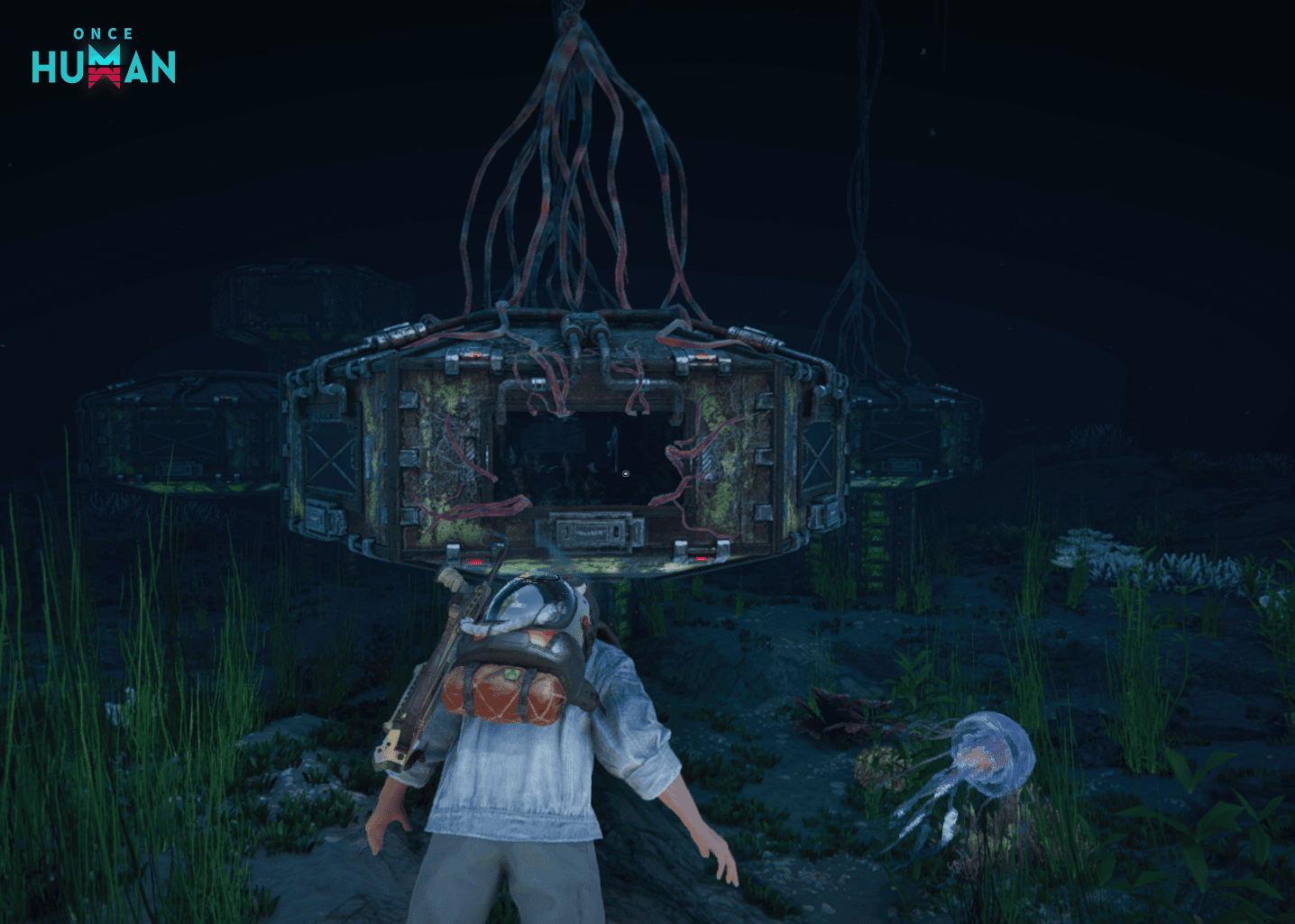
Once Human Underwater Treasure includes submerged laboratories worth investigating when you spot algae and jellyfish at the surface. The developers describe leaks that attract algae and jellyfish, creating patches of glowing floating algae visible at the water’s surface. That glow is a clue to investigate the submerged area below.
Once inside, move between rooms or containers with your oxygen reserve in mind. Jellyfish and other marine creatures may be nearby, and the notes advise planning an air-replenishment route before getting absorbed in looting. Once Human Underwater Treasure is valuable only if you can bring the items back to shore.
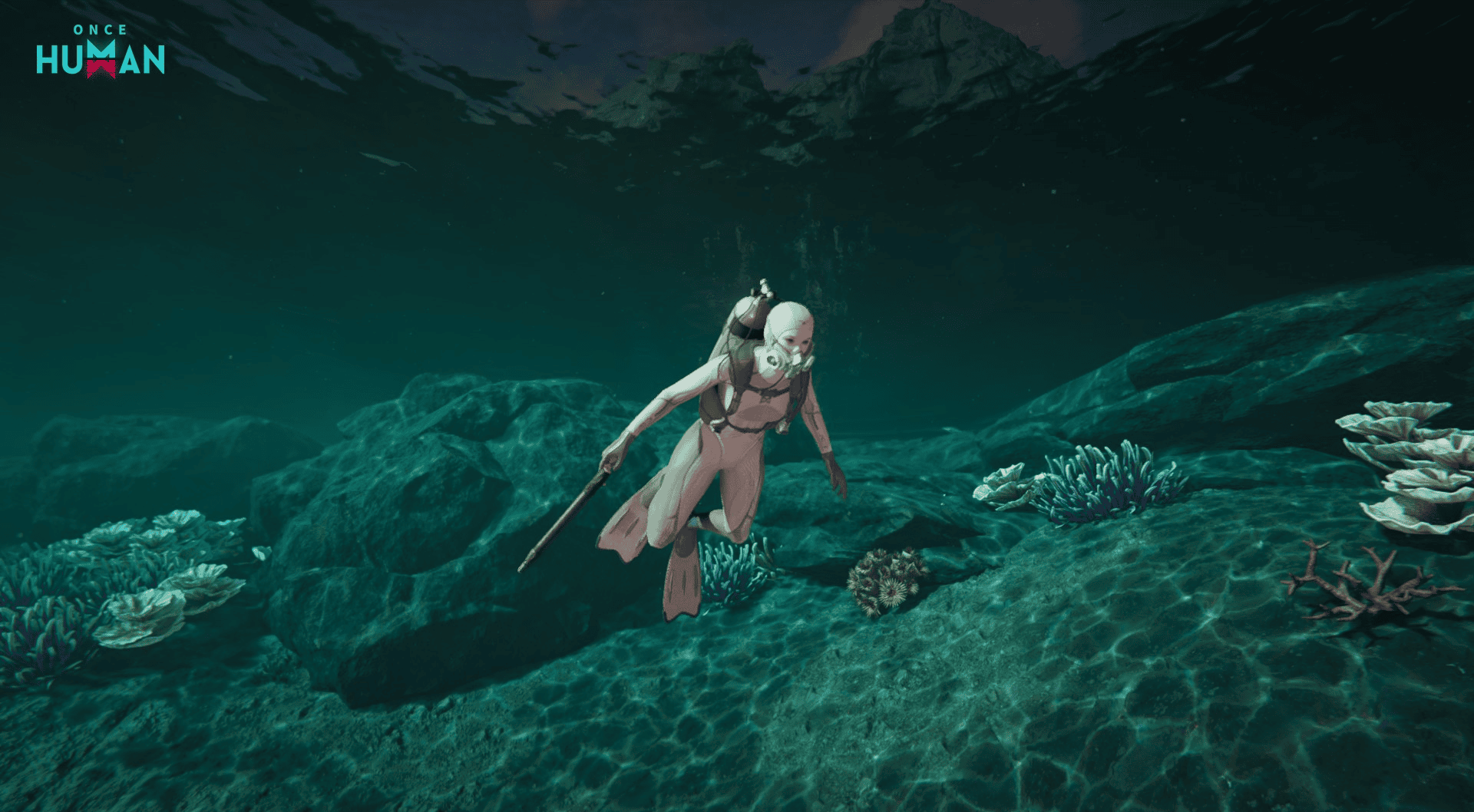
What gear should you bring?
The Basic Diving Suit offers basic resistance to ocean contamination, while the later Shark Diving Suit provides better protection and swimming speed. Fish Oil Paste adds temporary contamination isolation and temperature resistance. An Oxygen Tank activates when your oxygen runs out, and an Inflatable Float can rapidly lift you towards the surface.
Those tools solve different problems. A suit doesn’t create unlimited oxygen, and a quick ascent tool won’t make deep-water enemies harmless. The most effective way to prepare for Once Human Underwater Treasure is to check the depth of the destination, equip protection and keep a short route back to the surface.
Once Human Underwater Treasure: a first diving route
Begin near a shallow wreck with a straightforward surface route. Learn how long your current oxygen lasts and whether the location contains dangerous marine life. Once you’ve returned safely, improve your gear and extend the distance to a deeper site. This follows the official recommendation to move from shallow wrecks towards more dangerous ruins as protection improves.
A ship makes repeat trips easier because it acts as a mobile base. You can create and summon a vessel through Build Mode and save a Design Layout for future use. The Ship Building guide covers those systems.
Why Once Human Underwater Treasure might not appear at a marker
Not every floating object leads to a treasure chest, and not every underwater structure belongs to the same reward route. Surface signs are clues, while treasure maps give specific guidance when you have one. If a spot doesn’t contain what you expected, review the map or explore the surrounding wreckage before assuming the game is bugged.
Different ruins contain different finds. Read your treasure-map clues, inspect surface markers and search the wreck or structure you actually reach. If a player video demonstrates a particular chest, the route may be useful, but check that it was recorded on the final release build and on a comparable server phase.
For Once Human Underwater Treasure, follow a map or visible surface clue, carry enough oxygen and plan a route back. The scenario joining guide explains servers and phases, while Haywire Zones covers environmental hazards that may affect your journey ashore.
When you are ready for tougher ocean content, Voyagers and Calamity Towers provide different combat-based reward opportunities. Don’t confuse their loot systems with the underwater exploration route described here.
Related Guides
Official source: Once Human 3.1.1 notes: underwater exploration and treasure hunting.