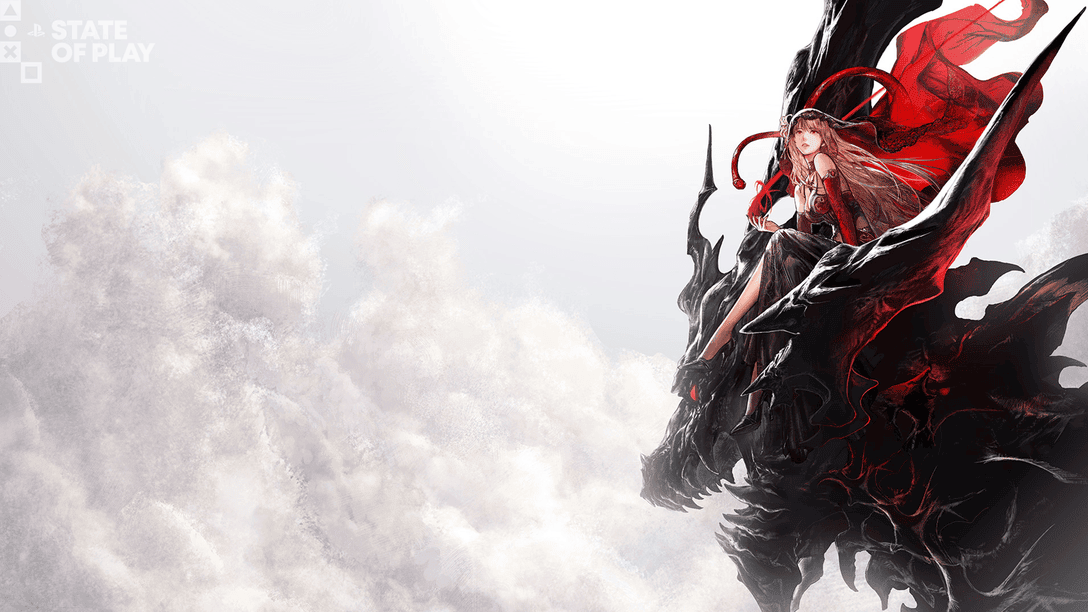
Final Fantasy Resonance characters come from two connected groups that are easy to mix together before launch: the people who drive the new story and the legacy Final Fantasy heroes represented through Visions. Square Enix’s character page places both on the same wider roster, but they do not all function in the same way. Rain, Lasswell, Fina and their allies belong to the world and narrative of Resonance, while famous protagonists such as Cloud and Tidus appear through the Vision system.
That distinction matters when someone asks who the playable cast actually is. A legacy hero being confirmed does not automatically mean that character joins the travelling party as a normal story member. Final Fantasy Resonance characters should therefore be read by role: core story cast, antagonists and Vision representatives. Doing that gives a much cleaner picture than treating every face on the official site as the same kind of party slot.
Which Final Fantasy Resonance characters are confirmed?
Image credit: Square Enix
The core Final Fantasy Resonance characters shown by Square Enix include Rain, Lasswell, Fina, Lid, Nichol, Jake and Sakura. The official character page also features Veritas of the Dark and additional members of the conflict around the Crystals, along with a mysterious woman whose identity is deliberately concealed in the current material.
Rain is a knight of Grandshelt and central protagonist, with Lasswell as his close companion and fellow knight. Fina emerges from the Earth Crystal with her memory missing beyond her name. These three form the opening foundation of the story, while later allies expand the cast as the journey moves across the world.
Rain, Lasswell and Fina
Rain and Lasswell are the first two Final Fantasy Resonance characters players are introduced to as active heroes. Their mission around the Crystals brings them into the central conflict with Veritas of the Dark. Their relationship gives the early story a grounded core before the wider cast and legacy elements become more prominent.
Fina joins after the events surrounding the Earth Crystal. Square Enix presents her as a mysterious young woman connected to the Crystals and Espers. Gameplay material also shows her as an important support presence, which fits the broader Final Fantasy tradition without requiring us to invent a final launch build before every ability is public.
Lid, Nichol, Jake and Sakura
The official Final Fantasy Resonance characters page also confirms Lid, Nichol, Jake and Sakura. These names come from the Brave Exvius story material that Resonance is rebuilding into a standalone console-quality RPG. Square Enix says the game is based on the first story arc of Final Fantasy Brave Exvius rather than being a direct port.
That context explains why returning Brave Exvius players will recognise names and relationships while newcomers are not expected to have played the mobile title. Resonance presents the material through its own HD-2D production, revised structure and modernised systems.
Who are the legacy Final Fantasy heroes?
Square Enix confirms sixteen mainline representatives among the wider Final Fantasy Resonance characters shown as Visions: Warrior of Light, Firion, Onion Knight, Cecil, Bartz, Terra, Cloud, Squall, Zidane, Tidus, Shantotto, Vaan, Lightning, Y’shtola, Noctis and Clive.
These heroes represent Final Fantasy I through XVI. They are connected to the Vision system, which allows party members to equip crystallized essences and use associated powers. That is different from saying all sixteen permanently join the travelling party as conventional story companions.
Sephiroth has also been revealed as a character players can find and challenge. Square Enix says defeating the encounter can lead to a special reward, but the official PlayStation explanation does not frame Sephiroth as a standard party member.
The Veritas and the main threat
Veritas of the Dark is the central hostile figure in the early Final Fantasy Resonance characters material, pursuing the destruction of the Crystals. Square Enix’s official character page also presents other figures connected with the broader conflict and the Sworn Six of Paladia.
Because the game is based on an existing story arc, long-time fans may already know identities or later developments from Brave Exvius. For a launch guide, those should not be treated as automatic Resonance spoilers or guaranteed one-to-one adaptations. The game has been extensively rebuilt, so the useful confirmed list is the one Square Enix has chosen to reveal for this version.
How characters connect to Visions and combat
Story characters and Visions interact through equipment. Final Fantasy Resonance characters can equip Visions, learn abilities from them and retain learned skills within the cost limit even after changing the active Vision. A Sweeping Stagger can then lead to the equipped Vision’s Resonance special move.
This structure lets the game keep its own cast at the centre while still using heroes from across the series. You are not simply replacing Rain with Cloud because Cloud exists in the roster. Instead, the Vision system adds classic Final Fantasy powers to the party-building layer.
At launch, the most useful way to follow Final Fantasy Resonance characters will be to separate confirmed story members from Vision heroes and bosses. That keeps party guides accurate and leaves room for the full game to reveal who permanently joins, when they become controllable and how their final kits develop. As more Final Fantasy Resonance characters are shown at launch, their exact party status can be added without blurring the distinction between story allies and Visions. The Final Fantasy Resonance characters guide can then expand with verified recruitment timing and final combat roles once the full game is live.
Official source: Square Enix official character page.