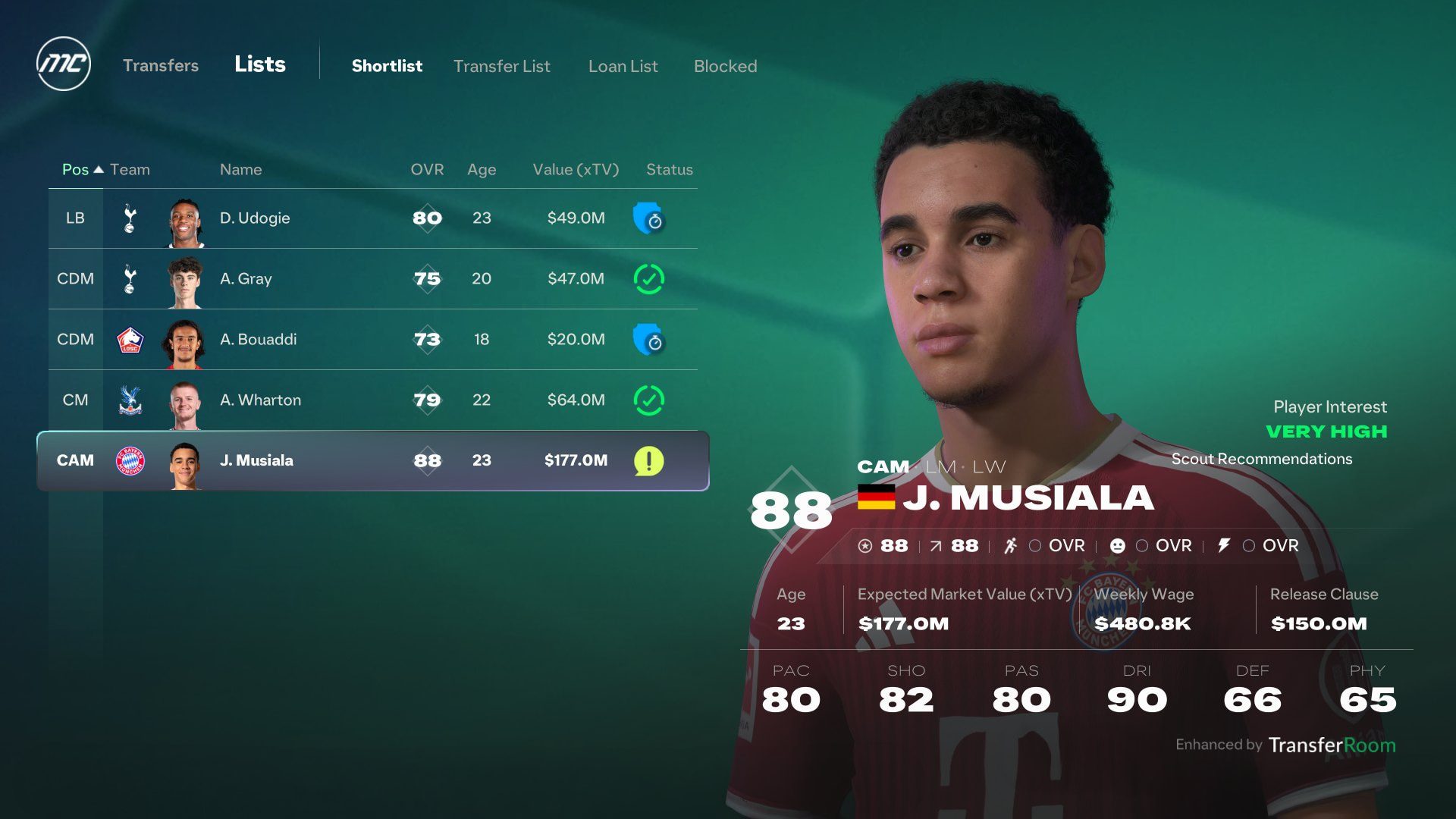
EA FC 27 Career Mode Bidding Wars are possible because transfer negotiations can now continue over time instead of ending as soon as two parties initially agree terms.
Rival interest can arrive during the process, creating transfer hijacks, new demands and last-minute renegotiation that force the buying club to react before the deal is finally closed.
How a bidding war can begin
A transfer starts with an enquiry and only moves forward when the relevant club or player gives permission to negotiate. From there, discussions can progress while other clubs are still monitoring the target.
That creates a window where a rival can become involved rather than every player effectively being reserved for the first club that opens negotiations.
Rival interest can change the demands
EA says interest from competing clubs can cause the selling team or the player to change what they want. That can push a nearly completed deal back into negotiation.
The buying club may therefore need to decide whether to improve the offer, change the structure of the deal or walk away.
Transfer hijacks and late twists
The staged system is designed to create unexpected developments such as bidding wars, hijack attempts and last-minute renegotiation.
Because each stage can take time, deadline pressure and rival activity have more room to affect the outcome than in the older instant-negotiation structure.
Bidding wars can affect sales too
When selling a player, offers from other clubs can arrive progressively. Managers can accept, reject, negotiate or delegate while waiting to see how the market develops.
After the buying club reaches terms with the player, the selling club can still get one final opportunity to revisit the transfer conditions depending on the level of outside interest.
Across the mode, EA FC 27 Career Mode Bidding Wars make transfers less predictable by letting rival clubs intervene before a deal is truly finished. The most important change is that an apparent agreement is no longer always the end of the negotiation.
In practice, EA FC 27 Career Mode Bidding Wars begin when another club shows interest before the transfer is fully closed, giving the market a chance to move after an initial agreement.
That timing makes EA FC 27 Career Mode Bidding Wars more dangerous near deadlines because a late rival approach can create new demands when there is less time left to find another target.
For buyers, EA FC 27 Career Mode Bidding Wars can force a choice between improving the deal and protecting the club budget, especially when the selling side realises multiple teams are competing.
For sellers, EA FC 27 Career Mode Bidding Wars can work in the opposite direction by giving managers time to compare incoming offers rather than accepting the first proposal immediately.
The staged negotiation system is what makes EA FC 27 Career Mode Bidding Wars possible, because transfers remain active long enough for outside interest to affect the outcome.
Delegating talks does not remove EA FC 27 Career Mode Bidding Wars from the save; it simply hands negotiation responsibility to the sporting director while the market continues developing.
Managers should also remember that EA FC 27 Career Mode Bidding Wars can change player demands as well as club demands, so agreement on the transfer fee is not always the final obstacle.
The result is that EA FC 27 Career Mode Bidding Wars add uncertainty to recruitment without turning every signing into an auction, since rival involvement still depends on actual interest.
That uncertainty should make squad depth planning more important as well. A club that depends on one transfer target can be left short if a rival arrives late, while managers with two or three realistic alternatives can walk away rather than overpay.
Sales can benefit from the same tension. Waiting for the market to develop may produce stronger offers, but holding out too long also creates the risk that interested clubs move elsewhere before the window closes.
EA details the feature in its official EA SPORTS FC 27 information.