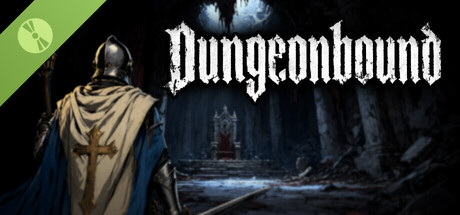
Dungeonbound ranked climb is the game’s roguelike mode, The Climb, where you risk a temporary equipment build while trying to improve a rank that lasts beyond the run. You begin with five hearts. Reaching floor eight can promote your rank; losing a run can send it backwards.
The system looks like a standard dungeon run at first, but it is not the same as the permanent Long Haul campaign. Hearts decide whether your current board survives, relics shape the attempt, and many rival encounters use previously saved builds from other players rather than a live opponent.
How Dungeonbound ranked climb handles five hearts
You start with five hearts. As you move up the floors, you’ll meet monsters, visit shops and shrines, and fight saved rival builds. Lose the final heart and the equipment board you’ve put together for that run disappears. Your rank is different: it carries over into the next attempt. That’s why Dungeonbound ranked climb feels more unforgiving than Long Haul, where defeat sends you back floors but you keep permanent progress. You can make a great board and still lose it if you don’t have enough hearts to survive the next fight.
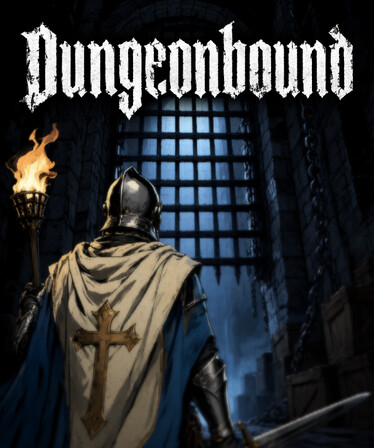
What happens at floor eight?
Floor eight is the promotion point the developer identifies for ranked Climb. Get there and your rank can rise; lose the run and it can fall. That doesn’t mean there’s a published points formula you can use to predict every promotion. What you can control is whether your build is strong enough to reach that floor, and how many hearts you’re spending along the way. Keep an eye on the shop and relic decisions that help you survive the next battle rather than buying a strong-looking piece that doesn’t work with the rest of your board.
How relic choices shape Dungeonbound ranked climb
On each of the first five floors, the game offers three relics and lets you take one. That means every early decision can change what the rest of the climb looks like. Relics work alongside your hero’s passive, tag affinities and inventory grid, so choose with an overall build in mind. The Climb includes 32 unlockable specialists, a much wider selection than the seven persistent campaign heroes. The large roster creates variety, but it also means a relic that is useful with one hero might be a poor fit for another. Your goal is to keep a workable board as the encounters get more difficult, not to treat each pickup as automatically better than the last.
Are ranked opponents real people?
Rival builds originate from real players, but battles against them are asynchronous. You face a saved setup, not a person sitting at the other end of a live duel controlling each move. When your build wins, it can join the pool that other players encounter. The game also advertises replays after losses so you can inspect what happened. This is useful for Dungeonbound ranked climb because you can learn from an opponent’s equipment choices without assuming everyone is online in the same lobby. The game separately offers genuine online co-op, which is a different feature.
How Daily Climb works
Daily Climb gives everybody the same seed, starting hero and starting gold, plus three modifiers that change each day. It’s a fairer way to compare how far different players can get from the same starting point. The developer describes bragging rights as the reward, with no separate permanent prizes advertised for this challenge. There’s no confirmed UK reset hour in the Steam description, so check the current daily in game instead of assuming it changes at your local midnight. If you fancy testing a build against friends, it’s a good change of pace from the ordinary Dungeonbound ranked climb.
Do co-op climbs share the same ranking?
Co-op uses two to four players sharing five hearts, with each player managing individual items, gold and relics. Team leaderboards are divided by group size, which keeps a two-person party distinct from a four-person group. It is not simply the solo ranked mode with everyone fighting on screen at once; battles play out in sequence while teammates watch and can trade gear. For players mainly interested in Dungeonbound ranked climb, the solo mode is the straightforward route to understanding the floor-eight target. If you want to plan builds together, co-op has its own team-focused challenge.
Official source: Dungeonbound on Steam (louidev).