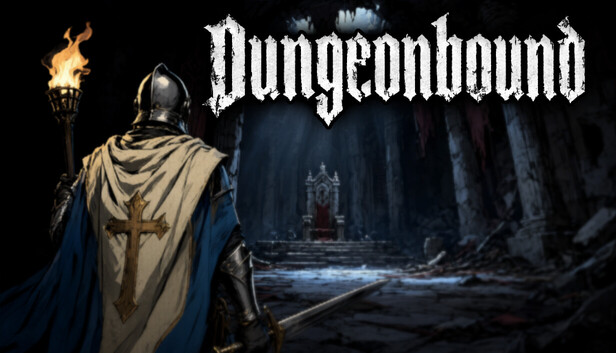
Dungeonbound game modes split into three different ways to tackle the same dungeon: Long Haul, The Climb and Co-op Climb. They share the game’s board-building and automatic combat, but they do not share the same rules for progression or losing a run.
Long Haul is for building a hero over time. The Climb is for seeing how far one carefully assembled setup can survive. Co-op Climb turns that second challenge into a team effort. They look similar in combat, but a defeat carries a very different cost in each.
Dungeonbound game modes compared
| Mode | Players | Progression and risk | Main goal |
|---|---|---|---|
| Long Haul | One | Loot, levels and permanent upgrades survive defeat | Progress across sessions |
| The Climb | One | Rank stays; the current build is lost | Climb floors and improve rank |
| Co-op Climb | Two to four | Five shared hearts and separate team leaderboards | Build and survive together |
Long Haul is the persistent option for one player. Seven heroes have individual levels, gold balances and permanent upgrades. Losing a battle sends the hero backwards through the dungeon, but their loot, levels and purchased progress remain. The Climb has a roster of 32 specialists to unlock, each with a passive and tag affinities that affect how a build comes together. It uses five hearts and resets your equipped build when the final heart is lost. Co-op Climb follows the run-based structure with two to four people sharing those five hearts. Every player has their own hero, gold, shop and relics. That means you can cooperate without turning the party into one shared inventory.
Long Haul: the permanent campaign
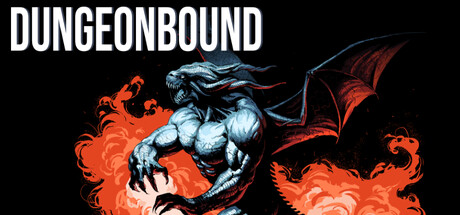
Long Haul is the best starting point if you enjoy making a character stronger over many sessions. Its seven core heroes are Warrior, Mage, Rogue, Monk, Archer, Alchemist and Paladin. Each has a separate progression track; developing one is not the same as raising the others. The game lists more than 400 permanent upgrades across areas such as damage, defence, sustain, economy and unlocks. A lost fight costs dungeon floors instead of wiping out everything you earned. As a result, you can focus on experimenting with equipment and upgrades rather than preserving one perfect run. The Mage also has Lightning, Frost and Fire subclasses with separate progression, according to the official feature description.
The Climb: build a run and protect five hearts
The Climb starts fresh each run. You’ll shop for gear, visit shrines and fight monsters alongside saved builds created by other players. On each of the first five floors you get three relic choices and keep one. You have five hearts to work with; when the last goes, your current board disappears. Your rank, however, carries into the next attempt. The developer identifies floor eight as a promotion point and says a failed run can demote you. Rival battles are asynchronous, so you aren’t waiting for an opponent to join a live match.
Co-op Climb: one team, separate shops
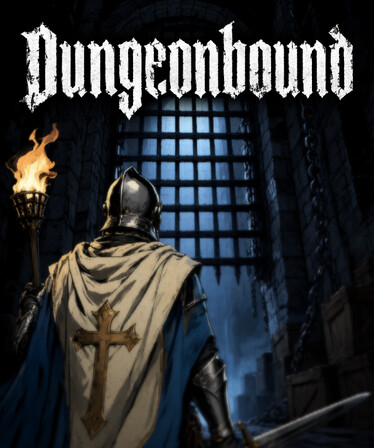
Co-op Climb supports two, three or four players, but you all share the same five hearts. Everyone looks after their own hero, shop, gold and relics. When somebody fights, the rest watch, and you can pass equipment directly onto a teammate’s board. A dice roll settles contested loot. The 3 November demo update added saved runs for individual teams, with the option for a bot to replace somebody who leaves. Those changes are handy for longer sessions, although it’s still worth checking the latest patch notes when the full game launches.
Where does Daily Climb fit among Dungeonbound game modes?
Daily Climb is a shared challenge based on the Climb formula rather than another campaign that stores upgrades. Everyone taking part receives the same seed, starting hero and starting purse, alongside three fresh modifiers. The aim is to see how far your run can go under comparable conditions. The developer describes it as a bragging-rights challenge rather than a route to separate permanent rewards. There is no official UK reset hour in the Steam overview, so do not schedule a daily attempt around an assumed midnight refresh.
Which Dungeonbound game modes should you try first?
Want to come back to the same character tomorrow? Choose Long Haul. Prefer a fresh build and a rank to chase? Play The Climb. Got two to four people who enjoy making decisions together, and occasionally arguing over loot? Try Co-op Climb. That’s the real difference between the Dungeonbound game modes, and it’s worth choosing the one that suits how you like to play.
Official source: Dungeonbound on Steam (louidev).