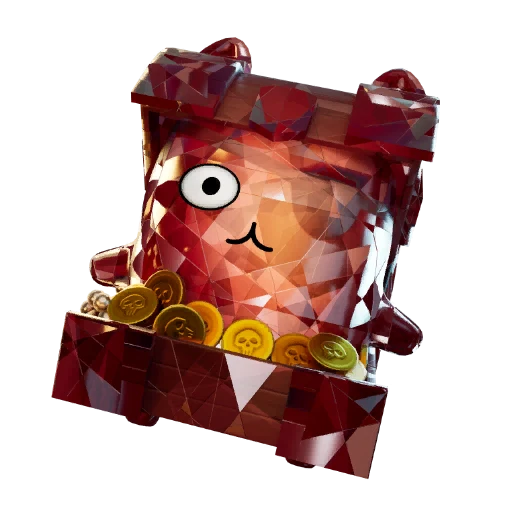
To add Sidekick NPCs in UEFN, create a Custom NPC Character Definition, choose the Fortnite Sidekick appearance and connect that definition to an NPC Spawner. This gives you a character for your island, rather than just the cosmetic companion following somebody who has it equipped in their Locker.
Epic introduced scriptable Sidekicks to Unreal Editor for Fortnite in June 2026, with island publishing available from July 23. Creators can customize their appearance and build reactions, pet-care activities or combat routines around them. The first job is to set up the character correctly, then give it the behaviour your game actually needs.
How to add Sidekick NPCs in UEFN with the NPC Spawner
You can start from the Content Drawer or from an NPC Spawner. Both methods create the same kind of NPC Character Definition, and you can reuse that asset with other spawners once it works.
- In the Content Drawer, open your project content folder, right-click, then choose Artificial Intelligence > NPC Character Definition.
- Name the asset and double-click it to edit the character properties.
- Set NPC Character type to Custom.
- Open Cosmetic Modifier and change Character Look to Fortnite Sidekick.
- Choose a supported Sidekick Cosmetic, such as Slurpuppy, then adjust Companion Variant Channels for colours, eyes, patterns or other supported details.
- Place an NPC Spawner and assign your asset under NPC Character Definition. Dragging the definition into the scene also places an associated spawner.
You can also add Sidekick NPCs in UEFN directly from the NPC Spawner. Place the device, open Details > User Options > NPC Character Definition, choose Create New Asset and edit the new definition. Alternatively, drag an existing definition into the level to create its Spawner automatically.
Choose your Sidekick’s appearance
Epic lists more than 30 Sidekick models. Sidekick Cosmetic picks the base creature, while Companion Variant Channels control the options that particular model supports, such as patterns, eye colour or ear positions. Check the available channels before choosing your design; they differ between Sidekicks. For Sidekick NPCs in UEFN, you can also set names and create separate definitions with different variants for an island full of creatures.
Use the Scale Modifier to change size. Its Scale Factor runs from 0.1 to 10, and larger models have correspondingly slower-looking locomotion animation. Check the resulting movement in a live session, especially if you want an oversized arena boss or a tiny pet.
Add following, fetching and reactions
The NPC Spawner creates the character, but it does not write your pet’s AI. Give Sidekick NPCs in UEFN their own actions by choosing Verse Behavior under NPC Character Behavior and assigning your Verse code. Epic’s Sidekick API and Scene Graph can power movement to a target, following, fetching, attacking and reactions.
Available animations include happy, worried, eat, sleep, action and react. These are useful building blocks for a creature-care loop, but they still need events or behaviour telling them when to play. For a puzzle game, start with one interaction and check the reaction before adding more.
Sidekick NPCs in UEFN also gained Control Rig support in Fortnite v41.20 for three animation archetypes: Dog Large, Dog Small and Cat Small. This offers more control to creators who want bespoke movement beyond the built-in Sidekick emotes.
Can you spawn licensed Sidekicks?
Not as freely selectable island NPCs. Epic restricts characters from external intellectual properties, including licensed collaboration Sidekicks. That means you cannot choose a branded model in the Character Definition and distribute it as your own NPC asset.
There is a separate system for a player’s existing cosmetic. Cosmetic Sync can make a Sidekick NPC reflect the Sidekick that player has equipped, including eligible licensed characters. If your island also allows the player’s regular Locker companion, check Cosmetic Sidekicks Enabled in Island Settings and review the reaction and visibility settings.
Try Epic’s Plumpton Sidekick example
The Plumpton: Environment feature example is a useful way to see Sidekick NPCs in UEFN before building your own creature game. Find it in the UEFN Project Browser under Feature Examples > Game Examples. Epic’s sample includes Sidekicks, a homestead, fields and training spaces.
Troubleshooting Sidekick NPCs in UEFN
If nothing appears, check that the NPC Spawner exists and points to the right Character Definition. Then open the Cosmetic Modifier and confirm Character Look is Fortnite Sidekick. Look for a missing assignment before rebuilding the asset.
If the model appears but doesn’t follow or react, focus on the Verse behaviour instead of the cosmetic picker. Make sure the script is assigned, compiles and reaches the intended events. Also keep normal island Locker Sidekicks distinct from spawned NPCs; one system’s visibility setting does not replace the other system’s spawner.
Once your first Sidekick works, keep the definition before you start creating variants. You can then adjust looks, animations, health and combat rules one part at a time without losing your initial setup.
Working with Sidekick NPCs in UEFN? These guides cover cosmetic sync, damage settings and useful Verse tools.
Official source: Epic Games: Creating a Sidekick.