Warota hat classes let you change your character’s role simply by changing the hat you wear. More than 20 classes are advertised for the village-building RPG, including farmers and lumberjacks for gathering work and warriors and mages for fighting. The same hat system also helps determine the jobs villagers can do around Luna.
A hat does more than change your attack style. It can also decide who farms, cooks and stands guard while you’re away from Luna. That gives the class system a practical role even when no monsters are attacking, and it makes choosing a job for each villager part of building a working settlement.
Warota hat classes and how switching works
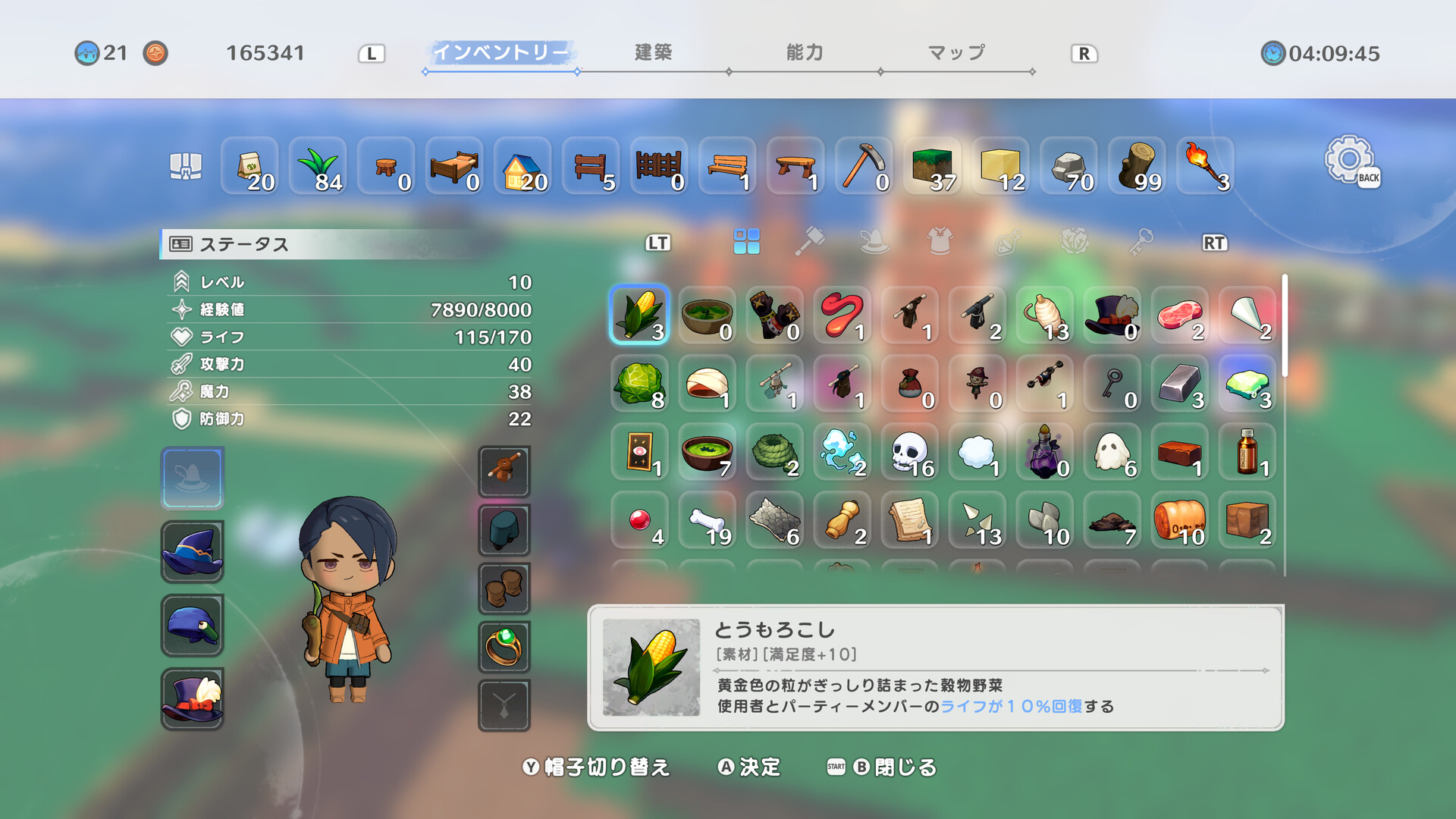
Hats are how you change jobs in Warota. Need someone to gather materials? Choose a work-focused hat. Heading into combat? Switch to a fighting role instead. There are more than 20 Warota hat classes, though you shouldn’t expect every one to be unlocked at the start.
The full unlocking order and crafting requirements have not been published. If you’re looking for the best class to start with, it makes more sense to consider whether you need materials, food or protection than to rely on a tier list made before players have tested every hat.
Farmers, woodcutters, warriors and mages
Farmer and Woodcutter are the clearest resource-focused examples, while Warrior and Mage cover the fighting side. Farmers help provide crops for the settlement and woodcutters support the building work. The developer has shown these roles, but has not given every class a verified damage value, spell list or equipment table.
Warota hat classes also determine the work your villagers can do. Assigning hats lets you spread out the farming, cooking and guarding instead of handling everything yourself. That matters when you’re trying to build up food stocks and still have people ready for the next attack. Exact worker limits for each building haven’t been published.
Which villager jobs are confirmed?
The Steam description gives three concrete villager jobs: Farmers tend fields, Cooks keep everyone fed and Sentinels guard the settlement. That is a useful starting point when deciding who stays home. As new residents arrive and your village expands, Warota hat classes help split the work instead of leaving every harvest and patrol to your character.
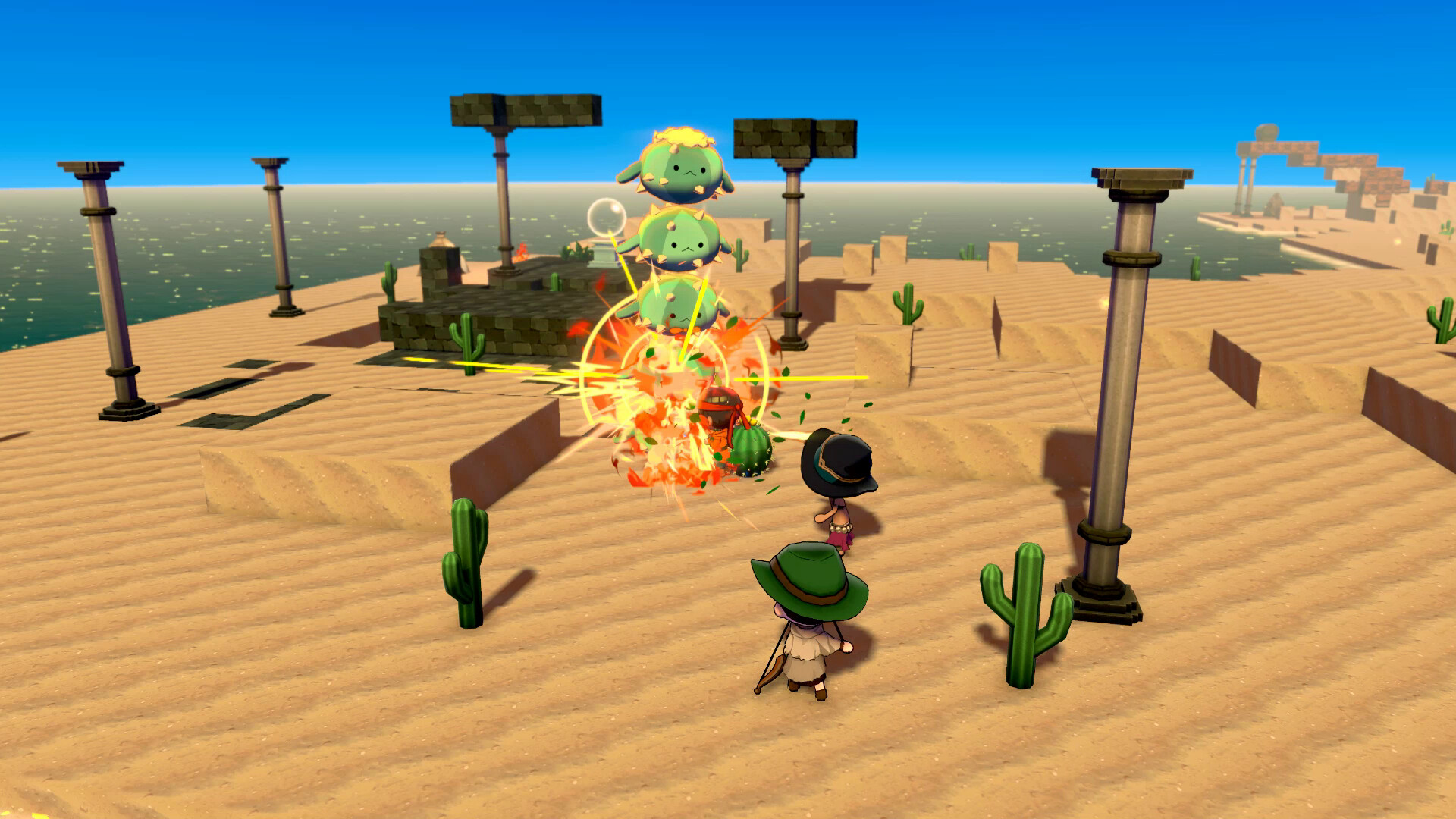
The October demo update showed that work-focused hats can be fun in a fight too. Tailors throw needles at enemies, while dairy farmers can send animals, including dogs, cats and cows, after monsters. So a hat that sounds useful only around the village may still have a place when the Demon King’s next wave arrives.
Can villagers join you in battle?
Yes. One or Eight says villagers can accompany the player on adventures and fight alongside them, with traits that differ between characters. The Warota hat classes system therefore affects both the village you leave behind and the group that travels with you. You have to think about who should stay on duty when food and building materials are needed at home.
There isn’t a complete skills list or fixed best-party setup to follow yet. The useful thing to remember is that Warota hat classes help you organise life back home as well as your next fight. Once Early Access launches on 13 November, players can start testing which combinations suit particular tasks.
How hats fit into defending Luna
Platina Goldcaster’s monster waves put your village under pressure. A worker arrangement that supports growth between assaults may not be the same arrangement you want while defending the settlement. Warriors, mages, guards and other classes are part of the defence picture, with buildings, food and equipment supplying the wider campaign.
Goddess Statues provide separate combat blessings, including attack, recovery and elemental effects. Those are bonuses, not new Warota hat classes. Our Warota Demon King Raids guide explains how statues and villagers tie into defence. Exact hat recipes and unlock locations will need a proper playthrough of the Early Access build.
Official source: One or Eight’s Warota Steam page.