Pokemon TCG Live Pikachu Party is a Trainer Trials format that looks simple at first because every eligible Pokémon shares the same name, but that restriction makes deck construction unusually important. You are not choosing between normal archetypes or evolution lines. Instead, the challenge is deciding how many Pikachu to commit, how much Energy the smaller deck can support, and whether your single high-value attacker should be used as an early tempo tool or protected as a finisher.
The unusual part of Pokemon TCG Live Pikachu Party is that normal Standard deck habits do not transfer cleanly. A compact deck changes the value of draw cards, search cards and Energy counts, while the special Pikachu restriction means consistency matters more than trying to imitate a full 60-card tournament list. The strongest approach is to understand the event rules first, then build around a clear attacking plan instead of filling the deck with every anniversary Pikachu you own.
Pokemon TCG Live Pikachu Party rules
Image credit: The Pokémon Company International
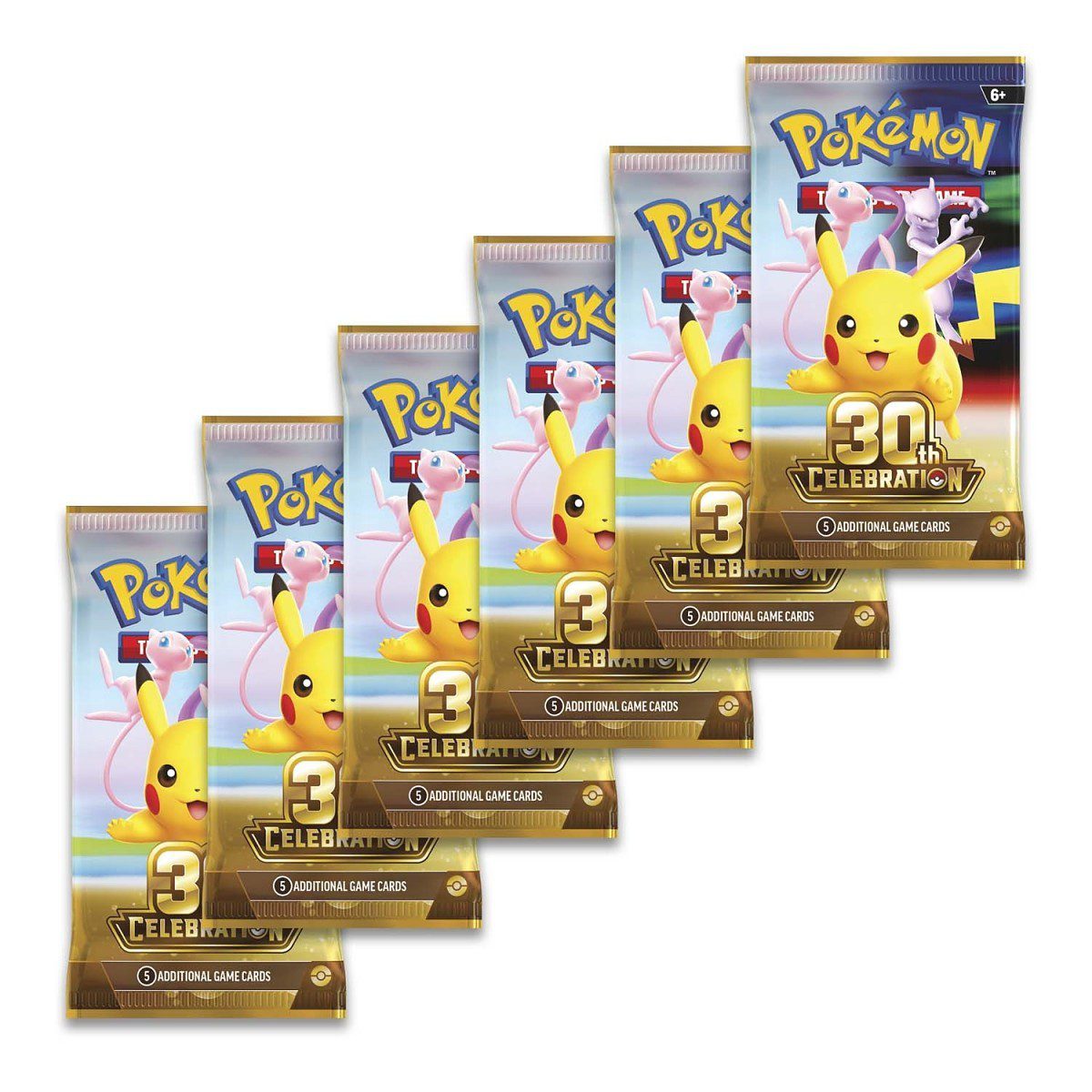
The current Pokemon TCG Live Pikachu Party runs from October 1 at 17:00 UTC until October 15 at 17:00 UTC. It uses the Standard card pool, but the Trainer Trial applies its own deck restrictions: decks contain 30 cards, games use three Prize cards, and the Pokémon in the deck must be Pikachu or Pikachu ex from Pokémon TCG: 30th Celebration.
You must include at least four Pikachu cards from 30th Celebration. The normal four-copy ceiling can be exceeded for Pikachu and Basic Energy, which is one of the format’s biggest deckbuilding twists. You can include no more than one Pikachu ex from the set, so your list cannot simply stack multiple two-Prize attackers and race every opponent with the same plan.
Best Pokemon TCG Live Pikachu Party deck idea: consistent single-Prize pressure
The safest Pokemon TCG Live Pikachu Party plan is a list built mostly around ordinary Pikachu, enough Basic Lightning Energy to attack on schedule, and a compact Trainer package that finds the pieces you need. Three-Prize games punish slow starts. Giving up one Prize at a time also makes it harder for an opposing Pikachu ex to end the match in only two Knock Outs.
This version should favour Pikachu with modest attack costs and useful tempo effects rather than trying to maximise raw damage on every card. Because the deck is only 30 cards, every dead opening card is more noticeable. Keep the plan simple: establish an attacker, replace it quickly when it falls, and make the opponent work through three separate Prize turns whenever possible.
Single Pikachu ex finisher strategy
A second Pokemon TCG Live Pikachu Party idea is to use the permitted Pikachu ex as a deliberate finisher rather than your automatic opening attacker. Pikachu ex can offer a much stronger damage ceiling, but losing it gives the opponent two Prize cards. In a three-Prize game, that swing is enormous and can turn an otherwise even match into a one-turn finish.
Build the early game around single-Prize Pikachu and keep the ex available for the point where its extra power actually changes the Prize race. This makes the one-copy restriction an advantage rather than a frustration. You know exactly what role the card has, so the rest of the deck can be tuned for consistency, Energy access and replacement attackers instead of trying to support several different ex lines.
High-Energy Pokemon TCG Live Pikachu Party build
The format also supports a more Energy-heavy Pokemon TCG Live Pikachu Party approach. Some Pikachu reward reliable access to Lightning Energy, and the event explicitly allows Basic Energy to exceed the usual four-copy limit. A higher Energy count reduces the chance that your small deck stalls because an attacker cannot power up, but it also means fewer Trainer slots for recovery, draw and switching.
Use this approach when your chosen Pikachu share similar Energy demands. If half the deck wants different attack timings, simply adding more Energy will not solve the consistency problem. The goal is not to flood the hand with Energy. It is to make the first few turns predictable enough that the three-Prize structure works in your favour. That is the central consistency test for Pokemon TCG Live Pikachu Party.
How many Pikachu should you run?
There is no single mandatory number beyond the event minimum, but Pokemon TCG Live Pikachu Party rewards a higher Basic Pokémon count than many conventional Standard lists. You need enough legal starters to avoid awkward openings and enough follow-up attackers to survive a short Prize race. Since Pikachu can exceed four copies in this Trial, you can deliberately lean on the versions that fit your plan instead of forcing variety for its own sake.
Do not confuse the collecting side of 30th Celebration with the best competitive choice. Owning all 30 Pikachu Rare illustrations is a fun anniversary goal, but the Trainer Trial does not reward you for putting every variant into the same deck. Select the Pikachu that serve your attack curve and leave purely collectible choices in the Card Dex. That keeps Pokemon TCG Live Pikachu Party focused on the three-Prize race rather than collection completion.
Trainer and Energy priorities
Trainer cards still matter in Pokemon TCG Live Pikachu Party because the card pool is Standard even though the Pokémon restriction is narrow. Prioritise draw, search and switching effects that help the deck execute its main plan. A 30-card deck can reach key cards quickly, so avoid packing several situational Trainers that compete for the same limited slots.
Energy should be tested against the actual attack costs of your selected Pikachu. In Pokemon TCG Live Pikachu Party, that testing matters more because every slot is a larger share of the 30-card deck. Start with enough Basic Lightning Energy that a normal opening hand has a realistic path to attacking, then adjust after a few games. If you repeatedly end turns with attackers ready but too many unused Energy cards in hand, move a slot or two back toward consistency Trainers.
Common Pikachu Party mistakes
The biggest Pokemon TCG Live Pikachu Party mistake is treating the Trial like a normal 60-card Standard deck with half the cards removed. The smaller deck and shorter Prize race change the value of almost everything. Another common error is exposing Pikachu ex too early and handing the opponent a two-Prize target before you have gained enough tempo from it. Pokemon TCG Live Pikachu Party makes that Prize trade especially punishing.
Finally, remember the event window. Pikachu Party is a limited Trainer Trial, so test changes quickly rather than waiting for a perfect theoretical list. A simple deck that attacks every game will usually teach you more than an elaborate list that only works when several specific cards appear together. Pokemon TCG Live Pikachu Party rewards repeatable openings more than clever combinations that rarely appear.
Official source: Pokémon TCG Live 2026 Trainer Trials Challenge Schedule.