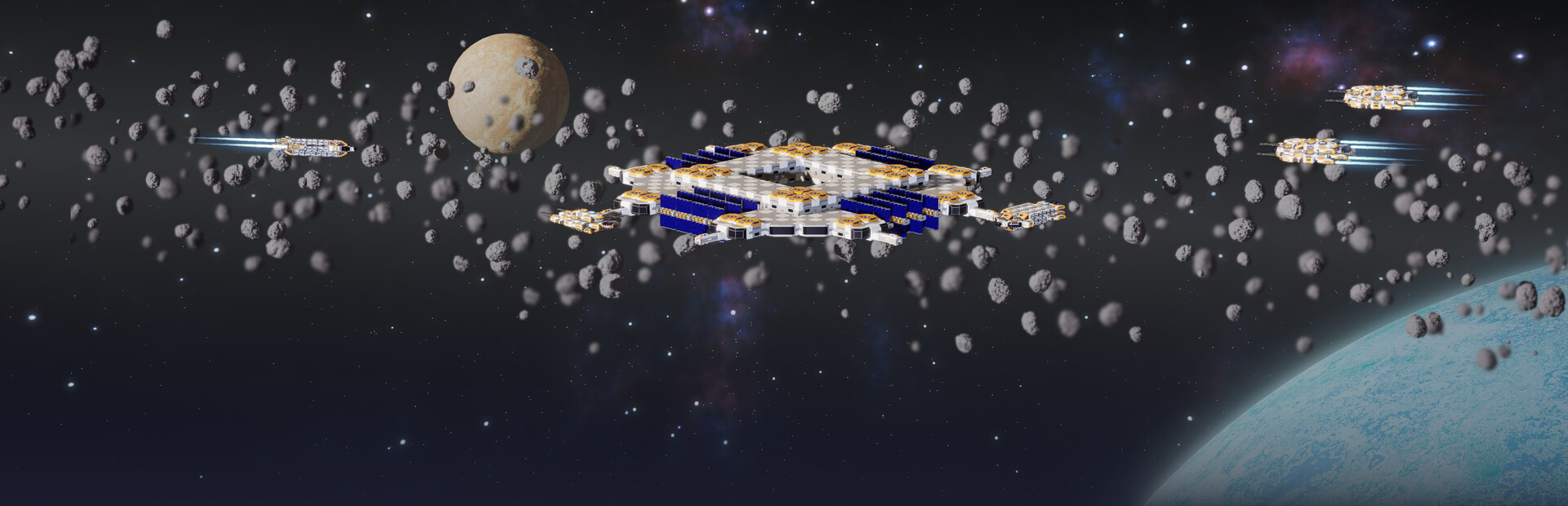
Main Sequence automation starts with collecting ore from asteroids and ends with an operation that can support more ships, stations and exploration without you moving every material by hand. The point is to build a connected industrial network, not to spend the whole game carrying raw resources from one machine to another.
The developer has described the main pieces ahead of the 12 November 2026 Early Access launch: mining ships, refining, conveyor-connected factories, supply fleets, research and reusable modular ship designs. The systems are already clear, even though exact crafting ratios and ideal factory layouts will take some testing after launch.
Main Sequence automation begins with mining and refining
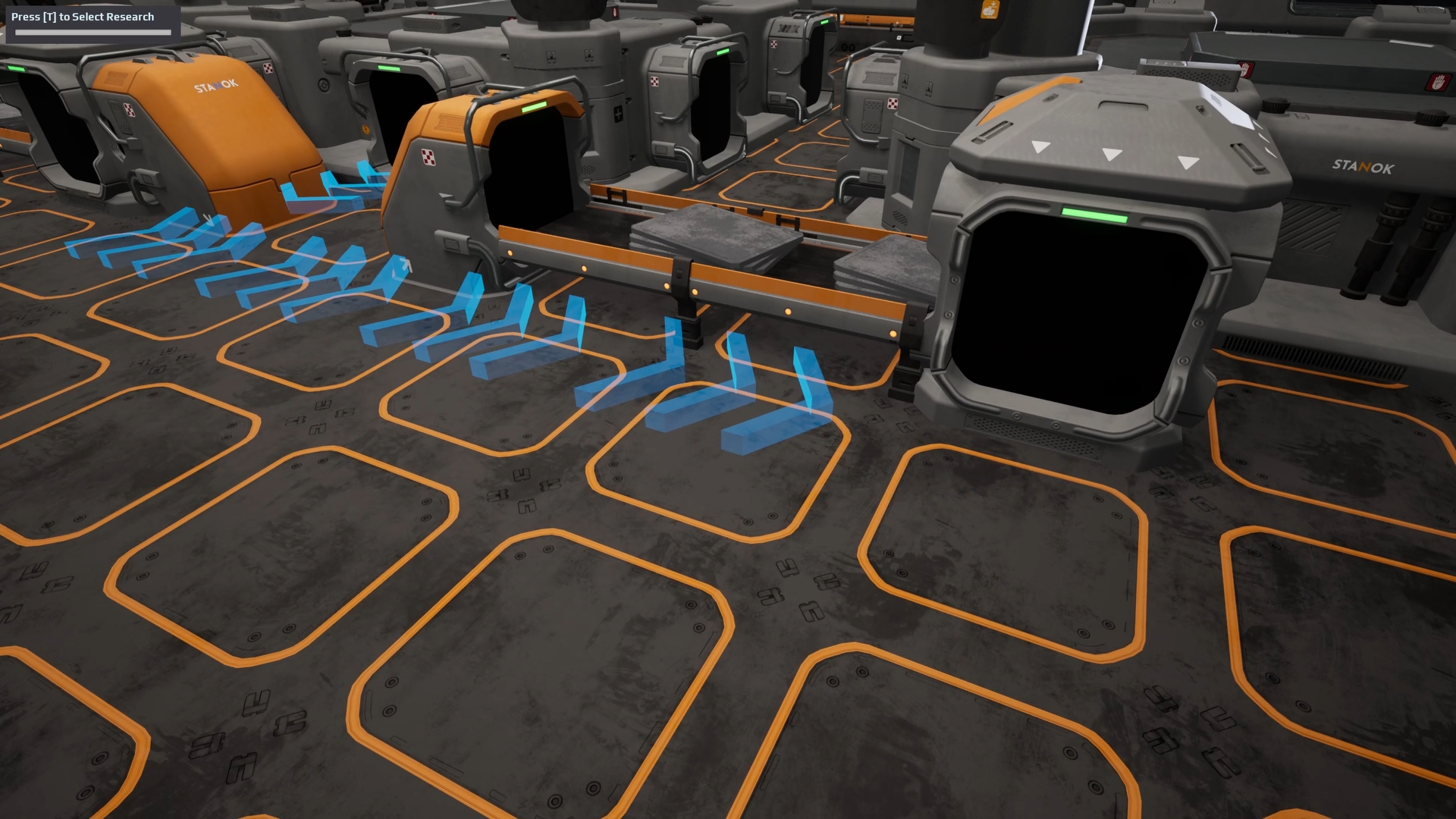
At the start, your ship operates in a resource-rich asteroid belt. Scanners help you find useful deposits, and the materials you extract can be refined into inputs for building. That creates a straightforward production cycle: locate ore, mine it, refine it, manufacture something useful and put the result towards expansion.
A practical beginner approach is to finish one small production chain before building several disconnected machines. Make sure inputs can reach the next stage and the output serves an actual construction goal. You can plan around that loop now, then adjust the number of machines once the launch-version recipes are available.
Put conveyors and machines inside your space station
Main Sequence automation also depends on stations holding factories at the centre of your production network. Steam describes arranging machinery and connecting it with conveyor belts to maintain a steady flow. Rather than treating a station as decoration, think of it as a place where materials from several mining runs can become useful components.
Main Sequence automation grows when movement between machines and eventually between stations stops demanding all your attention. The developer also describes automated supply routes and supporting fleets. The developer hasn’t shared a full route-setup walkthrough, transport costs or every conveyor control yet.
Save and reuse modular ship blueprints
Ships and stations are modular, with design choices covering cargo, reactors, weapons and other functional parts. The developer says finished designs can be saved, reused and shared with friends. That makes blueprints more than a cosmetic feature: they give you a way to reproduce vessels that already suit a particular industrial job.
For Main Sequence automation, it helps to think about what each ship needs to do before you design it. A cargo transport should prioritise carrying things, while a defensive vessel needs the equipment to protect a busy station. Those are planning suggestions, not fixed ship classes. Specific blueprint export steps, sharing menus and material costs need verification from the actual build rather than copied instructions from another building game.
How Main Sequence automation connects to research
The research system uses manufactured items and opens access to new modules, ships, equipment and upgrades. That ties science to production: if you want the next technology, you may need a more capable factory to support it. New research then creates demand for additional materials and more ambitious supply routes.
The October demo introduced Electromagnetic Science and the Shield Generator Mk. 1. Older testing notes also mention Quantum Science, a Trading Outpost, Slipstream Drive and the Relic Destroyer. These names are useful development context, but not a guarantee that every named preview item follows the same unlock sequence on day one of Early Access.
Why exploration and defence matter to factories
Procedurally generated systems contain new resources, wrecks and hazards such as black holes and neutron stars. A growing industrial footprint also attracts attention from an alien defence network. More production isn’t simply a score to chase; it can help you build the ships and upgrades needed to work farther away and keep valuable stations safe.
That creates a natural rhythm: build a reliable supply line, research an upgrade, prepare a vessel and move into another region. At a larger scale, Main Sequence automation can involve stations across multiple systems, but exact route lengths, resource locations and defensive damage values require hands-on launch-version testing before they can be responsibly recommended.
Is there one best factory layout?
No single layout can be called the best just yet. For Main Sequence automation, that depends on launch-version recipes and throughput. Production recipes, machine throughput and research unlock gates are the figures that determine whether a layout is actually efficient. Even if a test build showed a particularly good arrangement, Early Access balancing could change it.
For now, build around the main production loop and leave space to expand. Build for clear material flow, avoid unnecessary bottlenecks and keep defence in mind. Once the full game’s figures are available, the next step is a proper tested layout guide rather than confident-sounding guesses.
Related Guides
Official source: Main Sequence by Tumbling Dumpling Studio and Mythwright on Steam.