Fallout 76 Adhesive Farm is much faster when you target the objects, enemies or production method that actually contains the material. Adhesive is used in so many crafting recipes that a renewable CAMP farm is better than endlessly searching garages for duct tape. Vegetable Starch turns a few crops and water into a supply you can rebuild every session.
A good Fallout 76 Adhesive Farm route should be repeatable and should ideally solve more than one shortage at the same time. Carry weight is limited, so hauling thirty useless junk items home just to get three pieces of the material is not an efficient farm.
Fallout 76 Adhesive Farm: best farming methods
Fallout 76 Adhesive Farm Image Bethesda Game Studios.
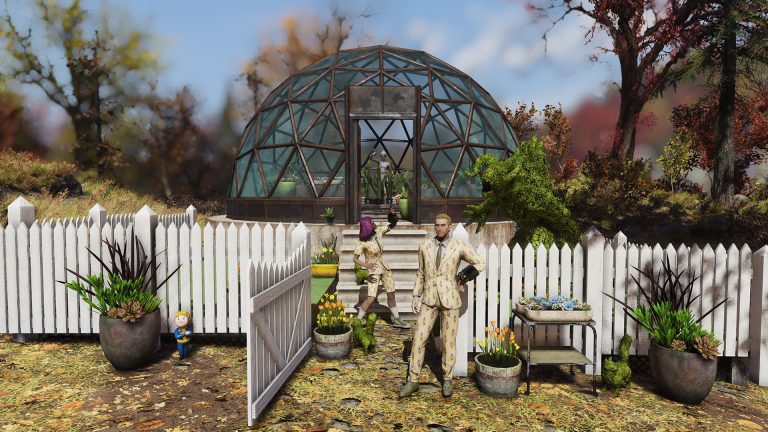
- Plant corn, mutfruit and tato at your CAMP.
- Produce purified water.
- Cook Vegetable Starch from the crops and water.
- Scrap Vegetable Starch into Adhesive, then supplement it with duct tape and wonderglue you find naturally.
Those methods cover both active and passive Fallout 76 Adhesive Farm. Use the direct route when you need the material immediately, and let workshops, CAMP production or incidental junk pickups top the supply up while you do something else.
Why you keep running out
Adhesive is used across weapon and armor crafting, modifications and repairs, so even a large stack can vanish during a build change.
One crafting session can consume more of a material than hours of casual looting replace. That is why a targeted ten-minute run often feels dramatically better than waiting for normal exploration to solve the shortage.
The farming mistake to avoid
A tiny crop patch will not support heavy crafting. If Adhesive is a constant problem, dedicate enough CAMP space to make each harvest worth doing.
That matters with Fallout 76 Adhesive Farm because server hopping does not instantly refresh every object for your character. If the same shelves stay empty, change the route or reset your loot history rather than wasting time on loading screens.
Best way to make the route efficient
Green Thumb makes the crop route much better. Harvest once, cook the starch and move on rather than travelling to five junk locations.
Tag the component for search in the Pip-Boy whenever that option applies. After a few sessions, you will start recognising the valuable junk on sight and stop carrying piles of objects that do not contain the material you came for.
Should you use workshops?
Workshops can add passive Fallout 76 Adhesive Farm if a suitable extractor exists, but they make the most sense during a long session. Workshops are PvP-enabled, so active farming is often cleaner when you only need a quick stack.
If you do claim one, power the extractor, lock it if appropriate and empty the machine regularly. Passive production only helps when the output is actually collected.
Keep a reserve before you sell
Keep a working reserve of Fallout 76 Adhesive Farm before vendoring or bulking excess junk. Materials that look abundant during exploration can disappear immediately when you repair Power Armor, craft ammo or rebuild a CAMP.
A saved route for Fallout 76 Adhesive Farm is also useful later because daily challenges and new build ideas can send you back to the same material, item or system without warning.
Official Fallout 76 updates
Material locations are generally stable, but Bethesda can change crafting requirements and activities. Use the official Fallout 76 site for current patch information.
Once the route is familiar, Fallout 76 Adhesive Farm should be a short supply run, not an evening-long scavenger hunt. Farm the dense source, scrap what actually contains the material, and leave as soon as you have enough for the job.