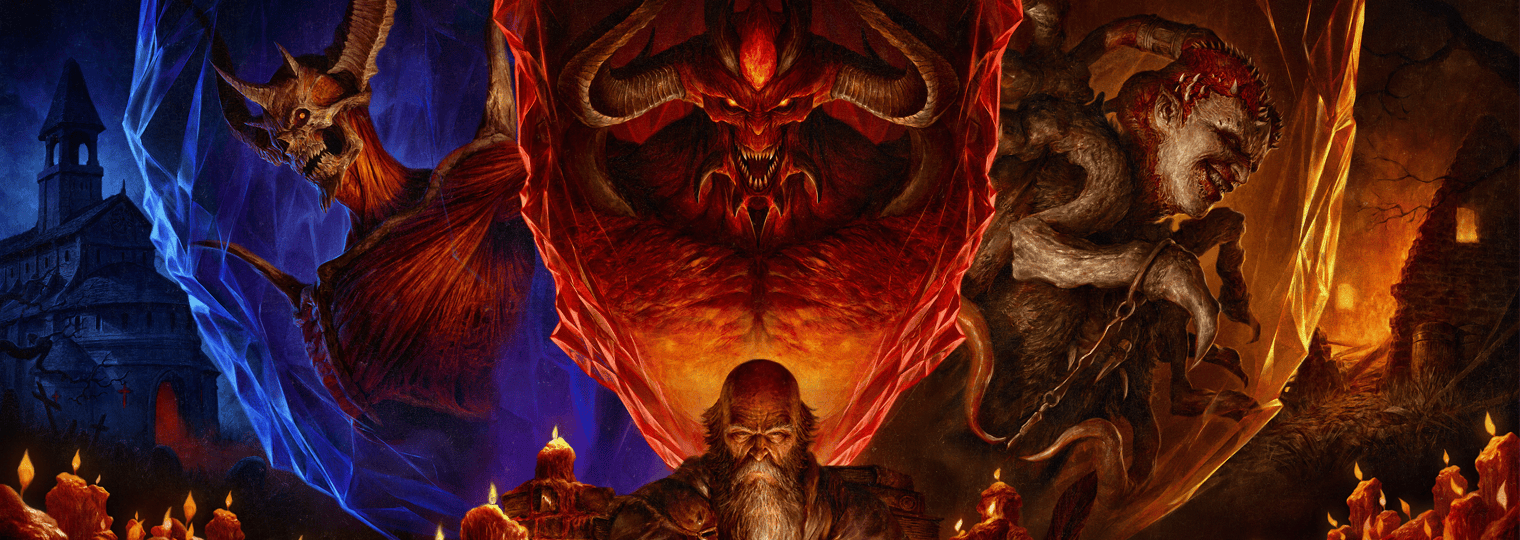
Diablo 4 Shards of Evil for Druid a Druid guide to Soul Splinters, with special attention to resource stability, survivability and Tornado-style endgame play.
Season of Hell’s Legacy has two similarly named Splinter systems, so the useful answer starts by keeping Prime Evil alignment separate from the Soul Splinters socketed into Jewelry. Blizzard confirms that the seasonal gems carry both a boon and a liability, while the Prime Evil path controls reputation and activity modifiers.
Diablo 4 Shards of Evil for Druid: the most useful starting trio
Pain, Black Soulstone and Anguish are the easiest Soul Splinters to test on Druid because each supports a clear need: survivability, pack-clearing damage or offensive speed. Tornado-style setups can also evaluate Hellfire carefully, but only when Critical Strike scaling is not doing essential work elsewhere in the build.
Season 15 Druid builds are not all interchangeable. A shard combination that feels excellent while clearing dense Nightmare Dungeons may be clumsy on a single-target boss or a resource-sensitive leveling setup.
Spirit costs and Anguish
Anguish raises Primary Resource costs in exchange for Attack Speed and Critical Strike Chance. That is a good bargain only when Spirit generation can support it. If the build already lives close to empty, the shard can make the rotation worse even while the tooltip looks stronger.
Test sustained combat rather than a short burst on a target dummy. The important question is whether your normal loop still functions after the liability is applied.
Pain and Black Soulstone for endgame
Pain is valuable when high Torment damage is the problem, and Druid can often tolerate some lost movement better than a build that survives through constant repositioning. Black Soulstone is the higher-risk alternative: it stacks damage from kills but adds damage taken as those stacks rise.
Dense activities naturally favour Black Soulstone more than isolated boss fights. Keep that activity context in mind when reading any Diablo 4 Shards of Evil for Druid recommendation.
Choosing Terror, Destruction or Hatred
The Prime Evil Splinter decides the seasonal activity track. Terror modifies Helltide and Infernal Hordes, Destruction modifies Undercity and Lair Bosses, and Hatred modifies The Pit and Nightmare Dungeons. Every path can also modify Whispers.
That means a Tornado Druid pushing The Pit may prefer Mephisto’s Hatred path regardless of which three Soul Splinters are socketed in jewelry. The two systems should be planned together but evaluated separately.
How rarity affects the choice
Diablo 4 Shards of Evil for Druid should also be revisited as the same shard reaches higher rarity. Soul Splinters progress through Magic, Rare, Legendary and Unique tiers, and matching type-and-rarity copies can be combined through Amalgamation in the Horadric Cube. A stronger boon can change the point where a trade-off becomes worthwhile, but it does not remove the liability. Keep the lower-rarity copies of shards that already fit your Druid instead of salvaging them simply because the first drop looks weak.
A simple way to test a Soul Splinter
Use Diablo 4 Shards of Evil for Druid as a starting framework, then test one change at a time. Run the same activity with and without the shard and watch resource stability, clear speed and survivability. That catches problems a tooltip comparison misses. If a shard forces potion use, breaks the rotation or turns routine movement into a chore, the nominal damage gain may not be an upgrade for that build.
Diablo 4 Shards of Evil for Druid: what to check in-game
For the underlying Season 15 rules behind Diablo 4 Shards of Evil for Druid, Blizzard’s Season of Hell’s Legacy overview confirms the Prime Evil paths, the three forms of Waking Nightmare, the Torment 10+ pinnacle versions and the Soul Splinter rarity/Amalgamation system. Use the live tooltip on your own shard for its current numerical value, because build balance can change even when the core seasonal rule remains the same.
Diablo 4 Shards of Evil for Druid is worth checking again whenever you change activity, difficulty or core build pieces, because Season 15 makes several rewards and liabilities context-dependent rather than universally good.
A practical rule for Diablo 4 Shards of Evil for Druid is to favour the option that improves consistent clears first, then chase the more aggressive setup once resource generation, defenses and movement are stable.