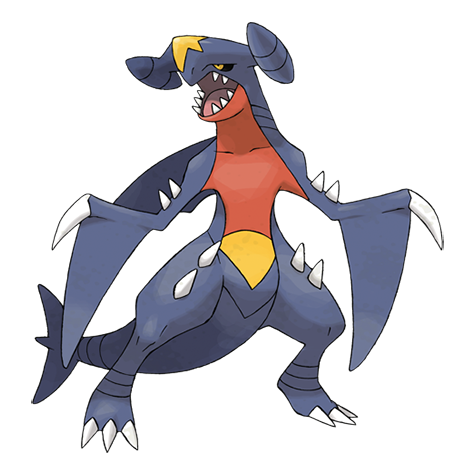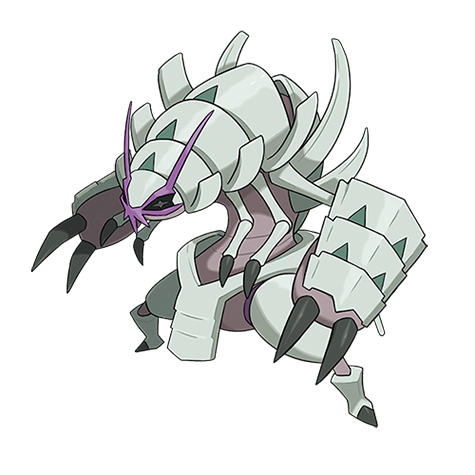
A Pokémon Champions Mega Golisopod team needs to work around an unusually clear weakness: the Mega form takes four times normal damage from Fire attacks. Its Tough Claws Ability makes contact attacks stronger, but a team that exposes it to Fire coverage can lose the advantage before it gets going. That is why rain support has been such a popular competitive partner.
Mega Golisopod has already made a Baltimore Regional final and performed well in Global Challenge I, according to Pokémon’s October 2026 Regulation M-C report. Those results show it is viable, but they don’t mean any six-Pokémon lineup with Golisopod works. This guide explains the contact moves to consider, what a rain core achieves, and how opponents can prevent a setup sweep.
Pokémon Champions Mega Golisopod team: strongest contact moves
Pokémon’s official Regulation M-C analysis identifies Iron Head and Leech Life as central contact options that benefit from Tough Claws. First Impression gives Bug-type priority pressure and can threaten Pokémon including Mega Raichu Y and Rillaboom before they act. These options fit a more immediate attacking build.
The article also highlights Swords Dance and Sucker Punch for variants that try to set up a boosted sweep. That creates a choice between an immediate coverage slot and a slower win condition. You cannot fit every attacking and setup option into one standard four-move set; choose the move combination that addresses your team’s toughest matchups.
Why a rain setter is a popular Golisopod partner
Mega Golisopod has a four-times Fire weakness, and rain reduces the damage from opposing Fire-type attacks. The Pokémon Company specifically notes that successful teams most commonly pair the Mega with a rain setter. A rain core gives the slow, hard-hitting Pokémon an additional chance to remain on the field long enough to attack.
The practical requirement is to preserve that weather when it matters. Against opposing weather, rain may be overwritten, so do not treat a rain setter as permanent Fire immunity. Your other team members should also provide ways to protect Golisopod when the opponent can change weather or use powerful neutral attacks.
Should you use First Impression or Swords Dance?
First Impression is useful for early-turn pressure, especially against an opponent you need to damage before it uses a disruptive move. The official guide highlights Mega Raichu Y and Rillaboom as examples. A team with immediate offensive momentum may value that more than waiting for an attack boost.
Swords Dance offers a more patient plan, potentially combining with Sucker Punch for priority after the boost. It asks the rest of the team to create a safe turn, so make sure you have defensive resources and an answer to opposing Fire pressure. If you don’t regularly get a chance to set up, the direct contact-attack approach is often easier to execute.
How to counter Mega Golisopod in Regulation M-C
Fire-type attacks are the most obvious threat because of its four-times weakness. A fast attacker with suitable Fire coverage can force the Mega off the field unless rain, protection or speed control changes the exchange. Pokémon highlights Mega Salamence with Flamethrower as a relevant tournament-tested answer; a Baltimore-winning Salamence used that coverage to beat Mega Golisopod.
Be cautious about simply choosing a Grass-type, since Golisopod’s Bug contact moves threaten some of them. You can also limit the value of Swords Dance by applying pressure before setup, or by making it difficult for Sucker Punch to secure the intended KO. Watch whether a Golisopod carries First Impression when planning your first turn.
Tournament-tested Mega Golisopod team: Baltimore finalist
Aditya Subramanian reached the final of the September 2026 Baltimore Regional Championships using Mega Golisopod in a full Regulation M-C doubles lineup. The six Pokémon offer a concrete answer for players who want more than general advice about rain setters.
| Pokémon | Role on the roster |
|---|---|
| Mega Golisopod | Bulky contact attacker with Leech Life, Iron Head, Drill Run and Protect |
| Politoed | Drizzle rain setter and Water pressure, helping mitigate Golisopod’s Fire weakness |
| Archaludon | Rain-compatible Steel/Dragon attacker, with Electro Shot and Dragon Pulse |
| Farigiraf | Trick Room option and priority protection through Armor Tail |
| Grimmsnarl | Reflect, Light Screen and Parting Shot support |
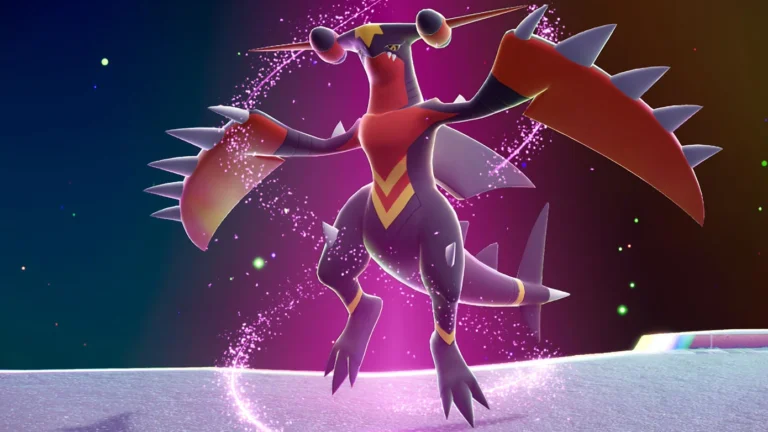
| Mega Charizard Y | Alternative Mega and sun-mode option, not the rain setter |
The roster is associated with publicly shared Replica Team ID 1PAN6UVF5B; check that the code still works before relying on it. Politoed’s rain and Mega Charizard Y’s sun are contrasting weather modes, so think about which four Pokémon and which weather plan you select for each battle. Against a fast Fire attacker, the Golisopod plus Politoed line can be more useful than leaving Golisopod exposed in sun.
What a complete Golisopod team still needs
Build the core around Mega Golisopod and a rain setter, then add team members that handle speed control, disruptive special attackers and the weather matchup. A defensively strong core isn’t complete just because the Mega is bulky; it needs to take turns without repeatedly giving the opponent free switching opportunities.
The official results describe a successful archetype, not one fixed legally verified six-Pokémon importable list. Check the current regulation, available moves and your training resources before finalising the remaining slots. For a wider look at weather and terrain options, see Regulation M-C team ideas and our Champions training guide.
Official source: Pokémon Champions Regulation M-C tournament analysis by Joseph Ugarte.