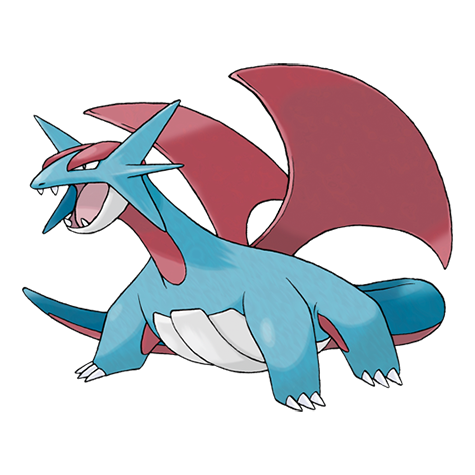
A Pokémon Champions Mega Salamence team in Regulation M-C is usually built around special Flying-type pressure rather than the old physical Double-Edge approach. The key is Aerilate, which turns Normal-type moves into Flying-type moves. That makes Hyper Voice a serious spread-damage attack, while Draco Meteor covers threatening Dragons.
Mega Salamence has succeeded beside Mega Tyranitar on a sand team, appeared on Haruki Sato’s Brisbane runner-up roster and won Global Challenge I, according to Pokémon’s competitive analysis. There isn’t one compulsory six-Pokémon team that reproduces every success. The useful question is whether your Salamence needs Tailwind speed control or Flamethrower coverage, and which partner protects that choice.
Pokémon Champions Mega Salamence team moves: Hyper Voice and Draco Meteor
Hyper Voice is a central special attack because Mega Salamence’s Aerilate turns it into Flying-type damage. It can put pressure on more than one opposing Pokémon and avoids relying on its old single-target physical Double-Edge approach. Draco Meteor gives substantial Dragon damage but has the usual drawback of lowering the user’s Special Attack.
Pokémon’s Regulation M-C overview identifies Tailwind and Flamethrower as common alternatives for a final slot. Tailwind helps your side win a speed contest; Flamethrower pressures Steel Pokémon that would otherwise handle Flying/Dragon hits more comfortably. The Mega Salamence that won Baltimore included Flamethrower, so that is a documented metagame response.
Why Mega Tyranitar and sand have worked
Official tournament reporting points to Mega Salamence’s early Regulation M-C event win with Mega Tyranitar in a sand composition. The lesson is not that every Salamence team must use Tyranitar. It shows that the Flying/Dragon attacker can contribute in established weather builds if the rest of the roster handles its weaknesses and the Mega selection is legal for the battle.
Male Indeedee and Rillaboom have also changed terrain play across the regulation. Before adding a weather partner, inspect how your chosen terrain, speed control and defensive switch-ins fit together. A good partner must do more than share a familiar tournament screenshot: it should give Salamence a way to use Hyper Voice repeatedly.
Tailwind or Flamethrower: which slot is better?
Pick Tailwind when your other Pokémon also benefit from being faster and the team lacks a dependable speed-control tool. Because opponents may run fast Mega Garchomp Z or their own Tailwind, controlling speed can be worth more than a second coverage option in some matchups.
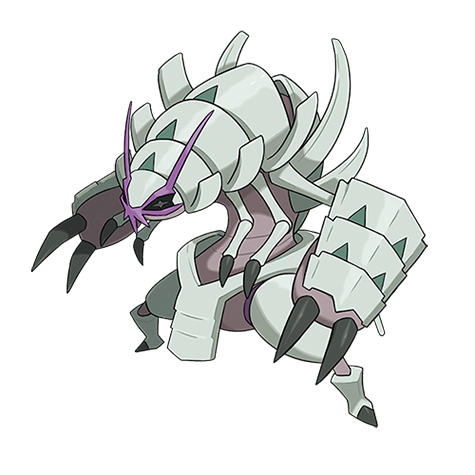
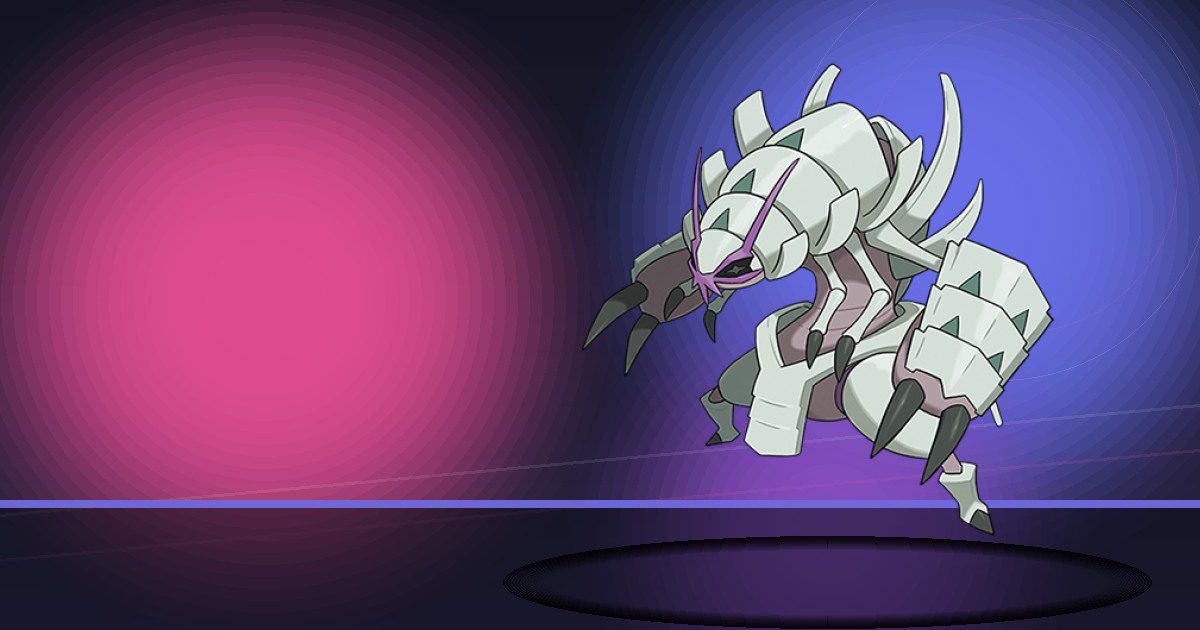
Pick Flamethrower when opposing Steel Pokémon are an immediate weakness. Official commentary specifically highlights how a winning Baltimore Salamence used Flamethrower, including as tech against Mega Golisopod. Keeping the coverage move can remove pressure from teammates who would otherwise need to handle those threats alone.
How to counter Mega Salamence in Regulation M-C
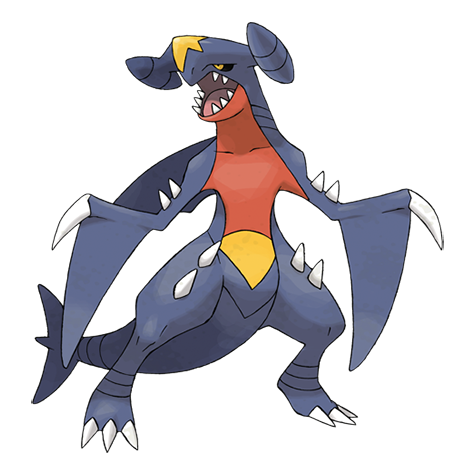
Mega Garchomp Z is a serious attacker into Salamence because its fast special Dragon attacks, particularly Draco Meteor or Dragon Pulse, threaten a Dragon opponent. The official metagame analysis directly links Garchomp Z’s success to the presence of Mega Salamence. Don’t assume Salamence always moves first just because it has an excellent Mega profile.
Mega Dragonite’s Multiscale can help it trade into Mega Salamence, according to Pokémon’s tournament breakdown. Opponents can also pressure a Tailwind version with speed parity, priority or defensive switches, while the Flamethrower version sacrifices Salamence’s own speed-control option. Your response should depend on which variant the opponent has shown.
Tournament-winning Mega Salamence team: complete six-Pokémon roster
Joseph Ugarte won the September 2026 Baltimore Regional Championships under Regulation M-C with this exact six-Pokémon group. It demonstrates how the Mega Salamence special-attacking plan functions alongside sand, priority and alternative win conditions.
| Pokémon | Role and notable moves |
|---|---|
| Mega Salamence | Hyper Voice, Draco Meteor, Flamethrower and Protect; the Aerilate special attacker |
| Mega Tyranitar | Sand Stream with Rock Slide and Knock Off; alternative Mega and weather option |
| Excadrill | Sand Rush with Iron Head and High Horsepower; benefits from sand speed |
| Sneasler | Dire Claw, Close Combat and Coaching; physical pressure and team support |
| Indeedee (male) | Psychic Surge and Expanding Force; terrain and special damage |
| Corviknight | Bulky win condition using Bulk Up, Brave Bird and Roost |
Ugarte’s winning sheet used Flamethrower, not Tailwind, on Salamence. That choice makes sense because Excadrill can take advantage of Tyranitar’s sand while the team has other ways to establish pressure. This is a genuine winning composition, although the original winner did not publish a verified rental Team ID. Don’t invent one; if you want to recreate the team, use the named Pokémon and check the game for permitted moves and items.
What to check before using an online Salamence team
Verify that the Pokemon, move combination and held resources are available under the current Regulation M-C rules. Some published teams assume an old regulation or different permitted Pokémon. Do not paste a team list without checking whether its remaining five members supply weather, terrain control and answers for fast Dragon attackers.
Our Regulation M-C Mega Evolutions guide can help compare other Mega options. If you’re playing Ranked Season M-8, follow the current ladder restrictions and the moves actually obtainable through Champions training. Good use of Aerilate and the last move slot matters more than copying an unsourced team name.
Official source: Pokémon Champions Regulation M-C tournament analysis by Joseph Ugarte.