Rust November 2026 performance improvements arrived with the Printed and Polished update on 5 November. Facepunch’s staging data showed around a 10% rise in median frame rate across players, roughly 1.6 GB less total memory in use and up to 25% less network traffic on a heavily populated test server.
The figures come from development staging tests, not a promise that every PC gains 10% FPS. Here’s what the Rust November 2026 performance patch actually improves and where you might notice it.
Rust November 2026 performance: the official numbers
Facepunch put significant work into CPU, memory and networking this month. Its published staging comparisons include improvements to median frame rate, overall memory consumption, the frequency of garbage collection and traffic on a busy server.
| Developer measurement | Reported result |
|---|---|
| Median frame rate | About 10% higher across players in staging |
| Total memory use | Roughly 1.6 GB lower |
| Garbage collection | About every 12 minutes, previously around every 6 minutes |
| Network traffic | Up to 25% less on a 500-player server test |
The memory and network figures measure different things. They shouldn’t be read as individual gains for every PC or every server.
Why large bases should cause fewer stutters
Loading into or moving around large bases has been one of the performance problems Facepunch focused on. The patch works on reducing hitches when many objects appear, disappear or update in a short period.
Those pauses can be much more distracting than an ordinary dip in average FPS, especially when you’re moving into a busy base or fighting another player.
The Rust November 2026 performance work targets those spikes, although the result still depends on how crowded the server and location are.
Rust November 2026 performance improvements to gunfire and busy scenes
Facepunch also targeted stutters around weapon firing and other moment-to-moment gameplay. These are situations where extra processing during a quick action can briefly interrupt the smoothness of the game, even if the usual frame rate looks fine.
Busy areas and heavy entity changes were part of the same optimisation push. The work includes examples where operations that previously took dozens of milliseconds were reduced to a small fraction of that cost in staging tests.
It’s less about getting a spectacular benchmark screenshot and more about fewer disruptive hitches while playing.
What changed to memory and garbage collection?
The staging measurements showed approximately 1.6 GB lower total memory usage. Facepunch also reports that garbage collection now runs around once every 12 minutes, compared with approximately every six minutes before the update.
Garbage collection is part of how the game cleans up memory that is no longer needed. Making it run less often can reduce interruptions, although the exact result for any player is affected by what is loaded and by their hardware.
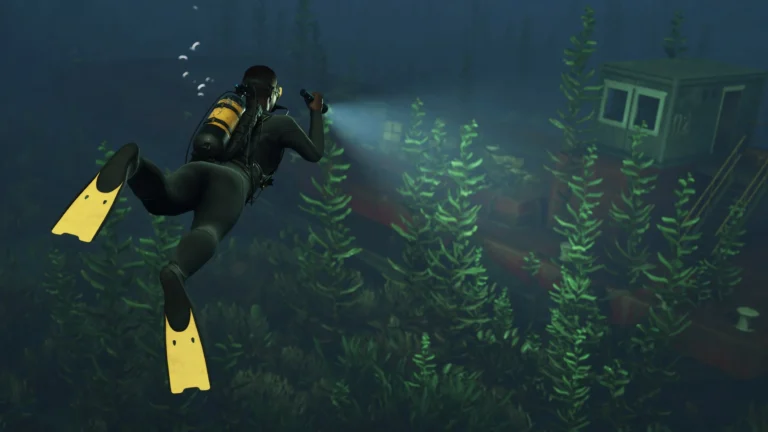
The staging comparison doesn’t guarantee that your own Task Manager reading will fall by exactly 1.6 GB. Facepunch also now loads deep-sea content only when you enter it, saving roughly 260 MB of RAM outside that area.
Does the Rust November 2026 performance update improve network performance?
In Facepunch’s test involving a 500-player server, network traffic was reduced by up to 25%. That’s a significant technical change for busy servers, but it does not mean your ping or latency will fall by 25%.
Ping still depends on the connection between you and the server. Less network traffic doesn’t automatically mean 25% lower latency.
Which Unity version does the November update use?
The patch moves Rust to Unity 6000.3.26f1. That engine version change is part of the wider technical release alongside the optimisation work and gameplay fixes.
The optimisation work comes with the patch. You don’t need to enable a hidden FPS setting to use it.
How to check whether Rust performs better on your PC
Compare the game in similar conditions. Use the same graphics settings, a similar server population and ideally the same location or type of activity when checking before and after. Otherwise, comparing a quiet beach against a crowded base tells you very little.
Watch for fewer pauses during combat and when loading large bases, not just a higher maximum FPS. Those were key targets of the November work.
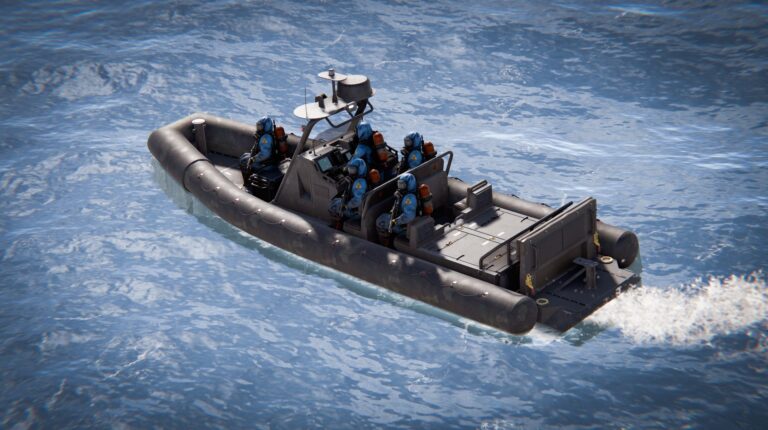
For the rest of the patch, including new Blueprint Fragments, the Uzi 9mm and roaming scientist boats, see our Rust Printed and Polished update guide.
Official source: Facepunch Studios Printed and Polished patch notes.