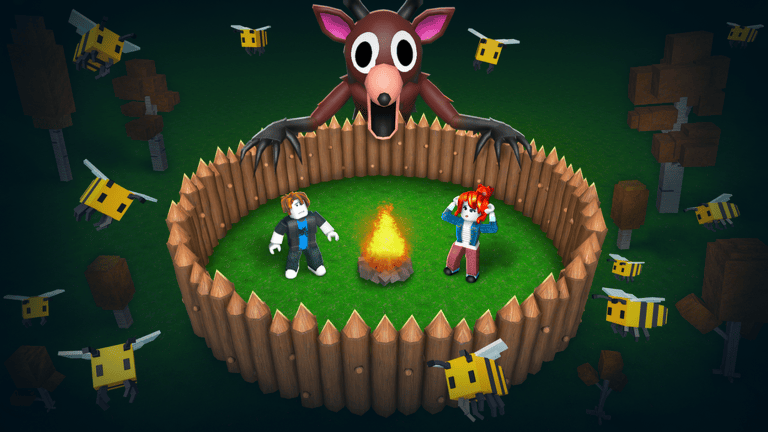
99 Nights in the Forest campfire upgrades increase the safe area around camp and open up more of the forest map. You upgrade the fire by adding fuel until its progress bar fills, working from level one up to level six. Higher levels also resist rain and blizzards better, which matters when you’re away from camp after dark.
The main question isn’t how to build a new campfire, but which fuel to feed the one you already have. Logs are fine early, while Coal, Fuel Canisters, Biofuel and Oil Barrels become much more useful as upgrades grow expensive. Here’s how the levels work and what to do if the fire goes out.
How 99 Nights in the Forest campfire upgrades work
Drop a flammable resource on the fire to raise its fuel progress. The bar eventually reaches an upgrade threshold and the campfire level increases, expanding the safe zone and explored map. The fire keeps draining over time, so reaching a new level isn’t the end of your fuel responsibilities.
For 99 Nights in the Forest campfire upgrades, exact resource requirements can vary based on fuel type and party size. Published community tables also disagree on some numbers. Look at the progress bar on your own server before committing all your resources to one fuel type.
All six fire levels
| Level | Appearance | Benefit |
|---|---|---|
| 1 | Simple log fire | Starting safe zone |
| 2 | Three log benches | Larger illuminated area |
| 3 | Six stones around the fire | Firemaking I badge |
| 4 | Twelve surrounding stones | Firemaking II badge |
| 5 | Stone base | Firemaking III badge |
| 6 | Large stone base and logs | Firemaking IV badge and strongest weather resistance |
The visual changes make 99 Nights in the Forest campfire upgrades easy to identify even without watching the level display. You’ll also notice an expanding area of the map and more room to work around camp, useful for long resource-gathering sessions.
Which fuel should you use?
Early levels are manageable with chopped logs. Later levels require much more fuel, so Coal, Fuel Canisters and Biofuel are generally more efficient. Oil Barrels become especially valuable when you are trying to reach the final upgrade.
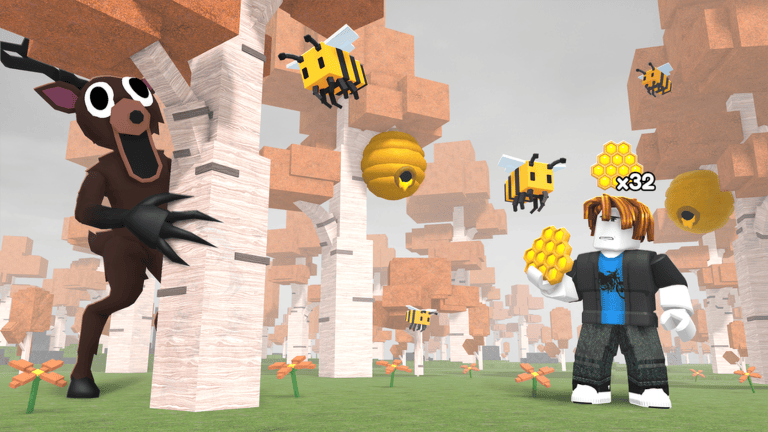
For advanced 99 Nights in the Forest campfire upgrades, players report that normal logs contribute only a tiny fraction of the later fuel bars. If you have an Oil Drill or Biofuel Processor, producing higher-value fuel can be much more efficient than chopping hundreds of trees and carrying the logs back by hand.
Approximate fuel needed for each upgrade
| Upgrade target | Reported example fuel |
|---|---|
| Level 2 | About six logs |
| Level 3 | About eleven logs or several high-value fuels |
| Level 4 | About 50–75 logs, or Coal/Fuel Canisters |
| Level 5 | About 70–120 logs, or several Oil Barrels |
| Level 6 | Hundreds of logs, or multiple Oil Barrels |
These are approximate player-reported fuel figures, not fixed recipes. Your fuel mix and party size can change what the bar needs. Mixed fuel types make direct counts particularly misleading. Use the values as an indication of how much more demanding later 99 Nights in the Forest campfire upgrades become, and check your live percentage while fueling.
Keeping the fire burning during rain and snow
Rain, storms and blizzards make the fire drain faster, while level six is the most resistant to the weather. That doesn’t make it self-sustaining. Before heading far away to loot or complete Halloween houses, refill the bar and leave a reserve of emergency fuel near camp.
For 99 Nights in the Forest campfire upgrades on a multiplayer server, assign someone to handle fuel while others explore. A team can have all the weapons and food it needs and still lose control of camp if everybody assumes somebody else will feed the fire.
What happens when the campfire goes out?
Losing the fire removes the safe zone, interrupts ordinary healing and can disable the map. The Deer may enter the area around camp when it is no longer protected. Approach carefully if you’re relighting an extinguished fire after dark, and don’t assume the old safe boundary still exists.
Relight the extinguished campfire by adding fuel, but be careful if hostile creatures have already entered the unprotected camp. For 99 Nights in the Forest campfire upgrades recovery, keep some fuel stored at camp instead of using the very last piece during an upgrade attempt. Our survival guide covers handling the Deer and preserving long runs.
Are special flames the same as campfire levels?
No. Special campfire flames are separate modifiers obtained through Daily Quests and event rewards. They can influence weather or other events, but they don’t take the place of the ordinary level-one-to-six upgrade process. Community guides list a maximum of three special flame modifiers in one game. Verify your current modifier slots before trying to apply more.
When choosing a flame alongside 99 Nights in the Forest campfire upgrades, read its current description to understand the extra event it might trigger. An upgrade that encourages an Alien Invasion or another encounter could make your next few nights very different.
What level should you aim for first?
Level three is a useful early milestone because the safe zone is larger and you earn the first Firemaking badge. Level six is an excellent long-run goal, but only when you can keep the fuel supply going afterward. The 99 Nights in the Forest campfire upgrades system rewards consistent maintenance just as much as reaching the highest tier.
During Halloween, a reliable camp is especially helpful for repeated night-time door visits. Our Trick or Treating Pro guide explains why the fire needs to survive through night 99.
Related Guides
Official game: 99 Nights in the Forest on Roblox.