Planet Zoo 2 aquariums are proper animal habitats, not ready-made tanks you drop beside a path. You can shape the enclosure, decide where visitors will see the animals and build spaces deep enough for fish, sharks and turtles to swim around. The bit you can’t ignore is everything keeping that water habitable: pumps, filtration and a way for staff to get inside.
It’s worth getting those parts in place before you start buying animals. A beautiful tank isn’t much use if you’ve filled it with the wrong kind of water or left the keepers standing outside with no way in. Here’s how the building pieces fit together, from the first barrier to the underwater viewing window.
Planet Zoo 2 aquariums: how to build an aquarium in Planet Zoo 2
Start by picking the species you want to keep and finding enough space for a full aquatic habitat. Use the habitat construction tools to mark out the enclosure and shape the surrounding terrain. Rather than choosing a fixed glass-box blueprint, you’re building a habitat around the water space you want the animals to use.
Give the pool proper depth, not just surface area. Frontier has built full three-dimensional movement for aquatic animals, so they’ll swim through the space you create, including around underwater scenery and through suitable arches. Leave yourself room for a filtration setup and the staff airlock before decorating the outside. It’s much easier to plan those access points now than to rebuild a finished guest tunnel later.
Planet Zoo 2 aquariums: choose freshwater, brackish or saltwater
Water type matters because aquatic species don’t all live in the same conditions. Frontier confirms freshwater and saltwater aquariums, and a hands-on tutorial preview also describes pumps delivering fresh, brackish or saltwater. Choose the water appropriate for the animal instead of treating every tank as a generic pool.
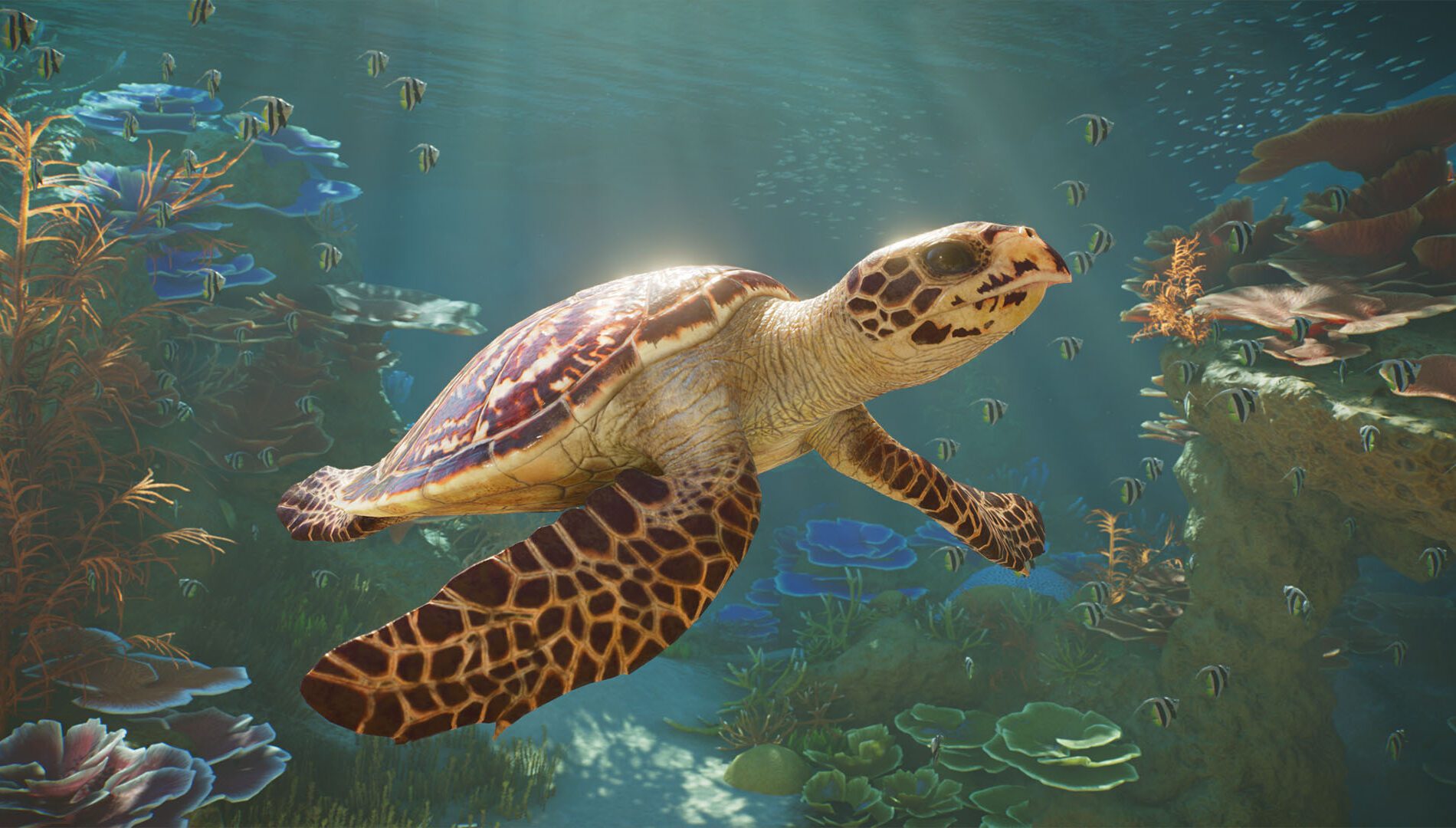
A Blacktip Reef Shark or Hawksbill Turtle belongs in a marine environment, while freshwater species need something different. You can check species needs in the Zoopedia and the animal’s welfare details. If an animal’s habitat shows a water-related warning, start by checking whether the water supplied is the right type before moving every rock and decoration.
Planet Zoo 2 aquariums: how to install water pumps and filters
In Planet Zoo 2 aquariums, a pump supplies the tank’s water while a filtration system keeps its quality under control. Both have been described in Frontier’s material and playable-preview coverage. When you’re laying out the habitat, reserve a space for this equipment and make sure it’s serving the aquarium you actually intend to stock.
Don’t confuse changing the water’s colour or cloudiness for a decorative effect with fixing its underlying quality. The water-editing tools allow visual changes, while filtration is part of running a healthy aquarium. If the habitat still has a water-quality problem after you’ve placed equipment, inspect which tank it serves and whether it’s functioning. The precise pump and filter controls can differ from the construction preview, so don’t waste time hunting for an unconfirmed menu name.
Planet Zoo 2 aquariums: add an airlock so keepers can enter
Keeper access works differently from the usual land-animal gate. Frontier says Planet Zoo 2 aquariums need an airlock, letting staff dive in to clean and care for the animals. Position one where your staff can reach it from their work routes, and don’t bury its entrance behind scenery or guest-only construction.
If keepers aren’t getting into the aquarium, look at their access route before hiring another staff member. A tank may be perfectly enclosed and filled with water, but staff still need the dedicated point of entry. Check that there is an airlock and that the surrounding path or service area actually connects to it. That gets to the heart of the problem without guessing at a secret staff-permission toggle.
Planet Zoo 2 aquariums: fix poor aquarium water quality
If the tank’s water quality drops, tackle the water system first. Inspect the aquarium’s filtration equipment, the water supply and any warnings shown by the habitat. A filter serving a different enclosure isn’t much help to the one with the problem. Check the animals’ welfare information too, especially if you’ve mixed species with different water requirements.
Filtration and salinity are different concerns. Increasing filtration shouldn’t turn freshwater into suitable saltwater for a reef shark. Likewise, improving a visual water effect doesn’t necessarily improve animal welfare. Work through the water type, equipment and staff access separately; it makes a troublesome tank much easier to diagnose.
Planet Zoo 2 aquariums: make underwater windows and guest tunnels
One of the nicest things about Planet Zoo 2 aquariums is how you can build around visitors as well as animals. Frontier has shown underwater viewing, and hands-on previews describe glass tunnels running through aquariums. Place viewing areas where guests can actually stop and see the animals, rather than filling the entire edge with solid scenery.
Think about sightlines while shaping the tank. An attractive underwater arch might be fantastic for fish movement but could block the one viewing window you’ve built. If guests can’t see much, adjust the position of the glass and path before spending money on more animals. For larger aquariums, several smaller viewpoints can feel better than one crowded window.
Why aren’t fish or aquatic animals thriving?
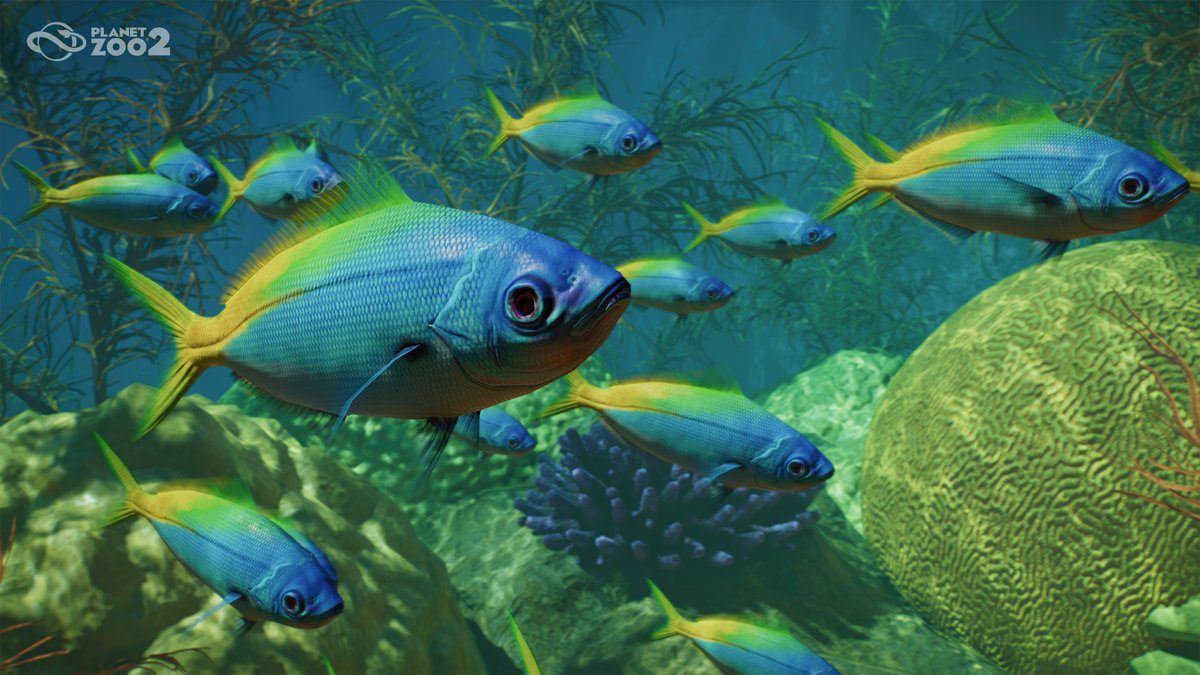
Check the whole habitat rather than assuming that one swimming animal means everything is fine. Planet Zoo 2 aquariums include fully aquatic species such as reef sharks, lionfish, turtles and shoals of fish. Each has its own environmental needs, and crowding incompatible animals into the same tank can undermine welfare even when the water looks beautiful.
Look at the welfare breakdown, make space for normal swimming and make sure animals can reach the areas intended for them. If welfare is low across several species, the water or general habitat setup is more likely to need attention than a single animal’s preference. The existing Planet Zoo 2 animal welfare guide covers the wider set of needs.
Aquarium building checklist
Before stocking your first tank, run through the essentials: a completely defined habitat, suitable water and swimming space, a working pump and filtration setup, and a keeper airlock with a clear approach. Then add the animal-specific features and underwater viewing areas. That’s enough to avoid most of the expensive rebuilding that comes from treating an aquarium as a decoration first and a habitat second.
There isn’t a single perfect tank shape. One small, well-planned freshwater habitat and a larger saltwater enclosure will need different layouts. The fun part of Planet Zoo 2 aquariums is that you can make both look completely different while still giving the animals the space and care they need.
Related Guides
Official source: Planet Zoo 2 by Frontier Developments.