9 Kings card upgrades are one of the first things to get your head around. Drawing the same card twice isn’t a bad thing: you can place a duplicate onto an existing matching plot to level it up, rather than use another patch of land.
Once you’ve got a few buildings supporting nearby troops, that choice can make or break a run. You’ll also need to know when to discard a card for gold, when to visit merchants and when to stop rerolling. Here’s how 9 Kings card upgrades work and when they’re worth using.
How 9 Kings Card Upgrades Work
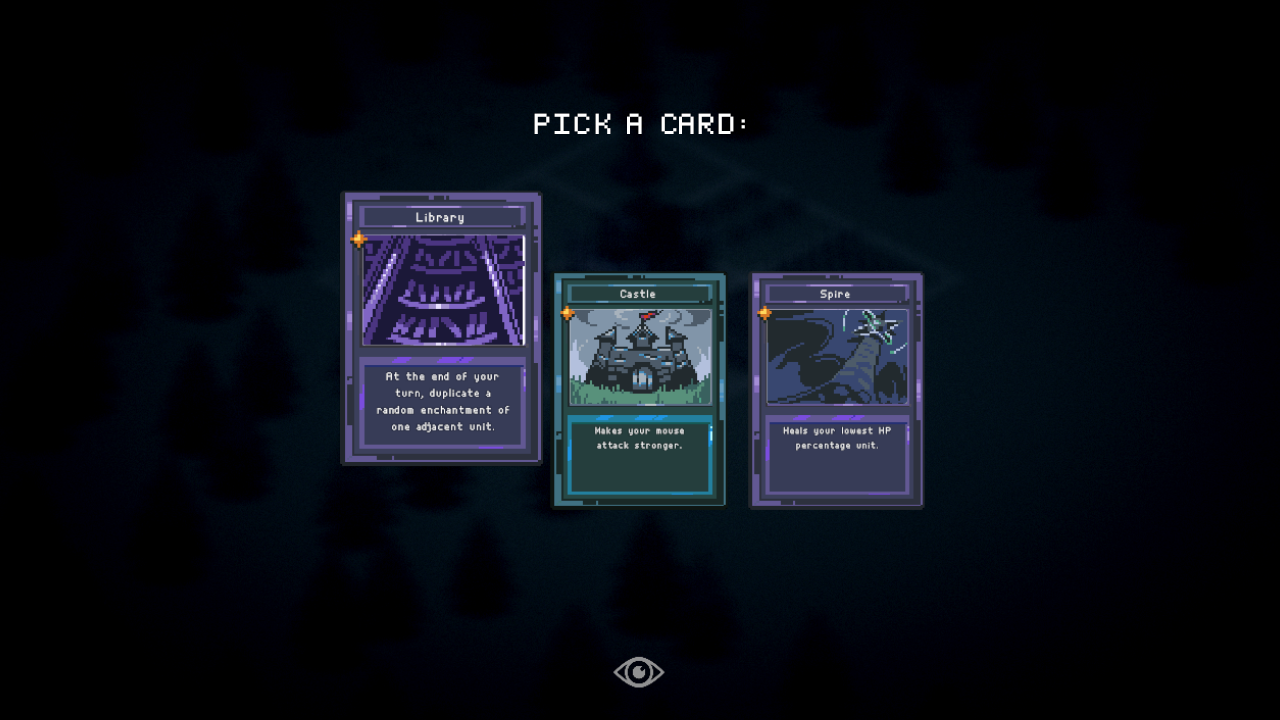
Your first move is placing your base. After that, Troop, Tower and Building cards can go on empty plots. For 9 Kings card upgrades, play another copy of the same card onto the matching occupied plot to increase its level.
For example, if you have an Archer on one plot and draw another Archer, you can upgrade the existing one rather than put a second Archer somewhere else. Whether that’s the right move depends on your kingdom. One stronger troop plot may be useful when it’s receiving a building’s bonuses; a second troop plot may be better when another lane needs defending.
The publisher’s card guide lists three levels for most Troop, Tower and Building cards. Base cards also normally reach level three. There are exceptions: Lab Rat can keep levelling, and particular perks or other card effects can change the usual limit. Look at the card and plot tooltips before assuming every upgrade behaves identically.
9 Kings Card Upgrades: The Six Card Types Explained
| Type | What it does |
|---|---|
| Base | The central structure you must defend; placed first. |
| Troop | Creates units that move and fight during battles. |
| Tower | Attacks enemies or applies effects from a plot. |
| Building | Supports other plots, produces units or gives bonuses. |
| Enchantment | Adds an effect to a troop, with some effects stacking. |
| Tome | Applies an effect to an occupied plot, such as upgrading or changing it. |
Not every card can be played in the same place. A Tower isn’t a Building, even if both sit on the board, and an Enchantment needs a troop to receive its effect. Card types also count towards certain king unlocks, so a Building won’t help with a milestone that specifically asks you to play Troop cards.
9 Kings Card Upgrades: Using the Well for Gold
In 9 Kings card upgrades, the Well is where you throw cards you don’t want to play. Each discarded card gives you 9 gold, according to Hooded Horse’s official guide. The King of Greed’s Salvage decree triples that return, making unwanted cards a surprisingly useful source of money.
You’ll regularly have to choose which cards to use and which to discard. The wiki describes the normal pre-battle rule as playing or discarding until two cards remain in your hand, with a different rule for the final battle. In practice, you can’t just keep every card you draw and expect to save the decision for later.
It’s tempting to throw away anything that looks weak, but a card might become much better when paired with the right Building or Tome. Then again, the gold could help you buy something more useful. Think about the kingdom you’ve actually built before you make the call.
How Much Do Merchant Cards and Rerolls Cost?
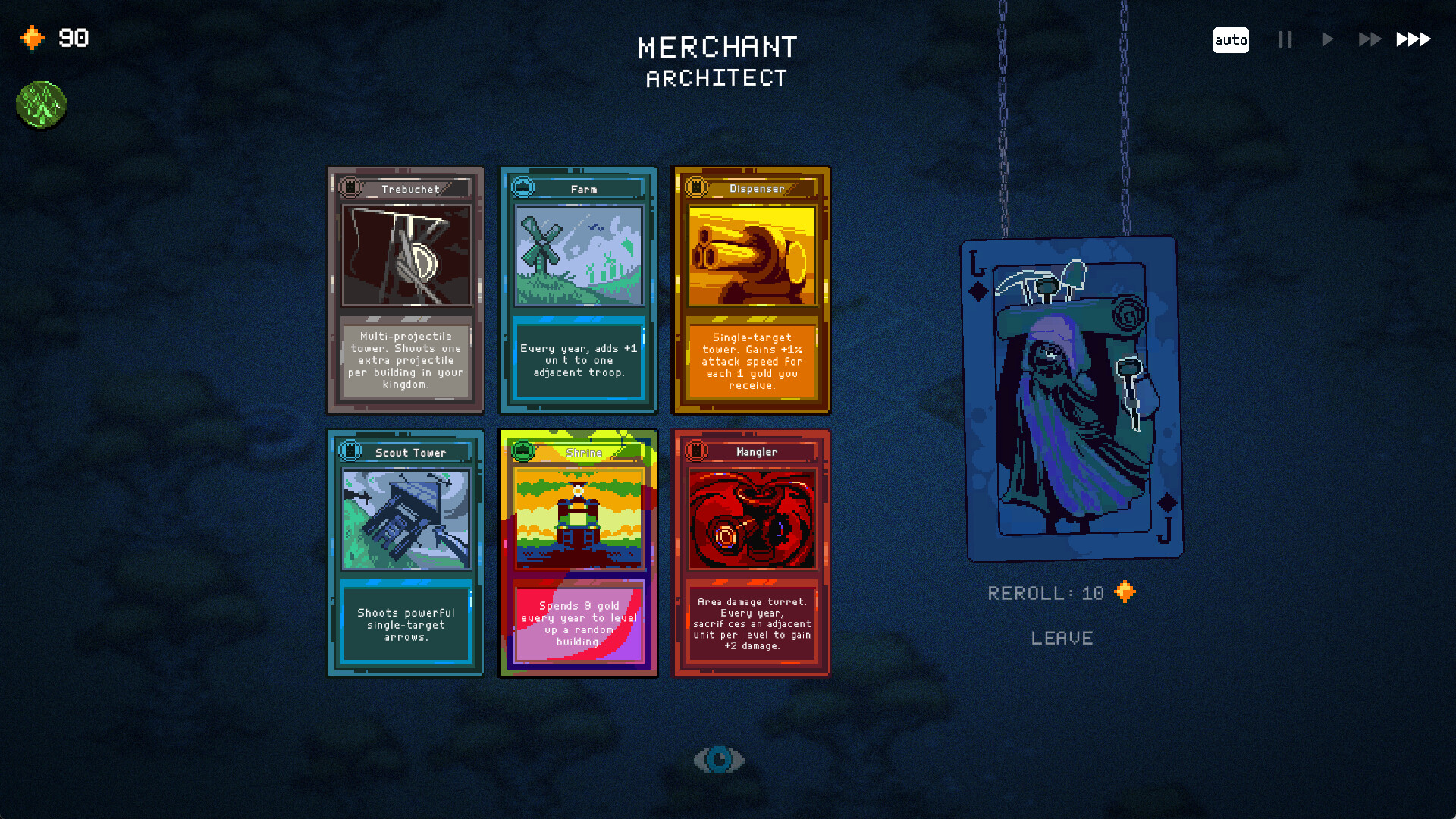
Merchants give you another chance to buy cards, including cards from other kings. The publisher’s wiki lists 30 gold for the first card bought from a merchant. Each further purchase from that merchant increases the price by 15 gold. The next purchases would therefore cost 45 gold and then 60 gold before discounts or other effects.
You can reroll a merchant’s stock if there’s nothing you want. The wiki gives an initial merchant reroll cost of 10 gold, increasing by 10 gold with each further reroll. The separate post-battle card choice can also be rerolled, with its cost rising by 10 gold each time.
Those are the listed prices in the official card and merchant guides, although an in-game perk or decree can change what you pay. If you’re using merchants for 9 Kings card upgrades, remember that several rerolls can eat through the gold you were saving for the card itself.
Simple Card Combinations to Try
Start with the King of Nothing’s familiar cards. A Farm can add units to a neighbouring Troop plot, while a Blacksmith improves nearby plots over time. Putting an Archer or Soldier where those supporting effects can reach it is more useful than dropping every card wherever you happen to have space.
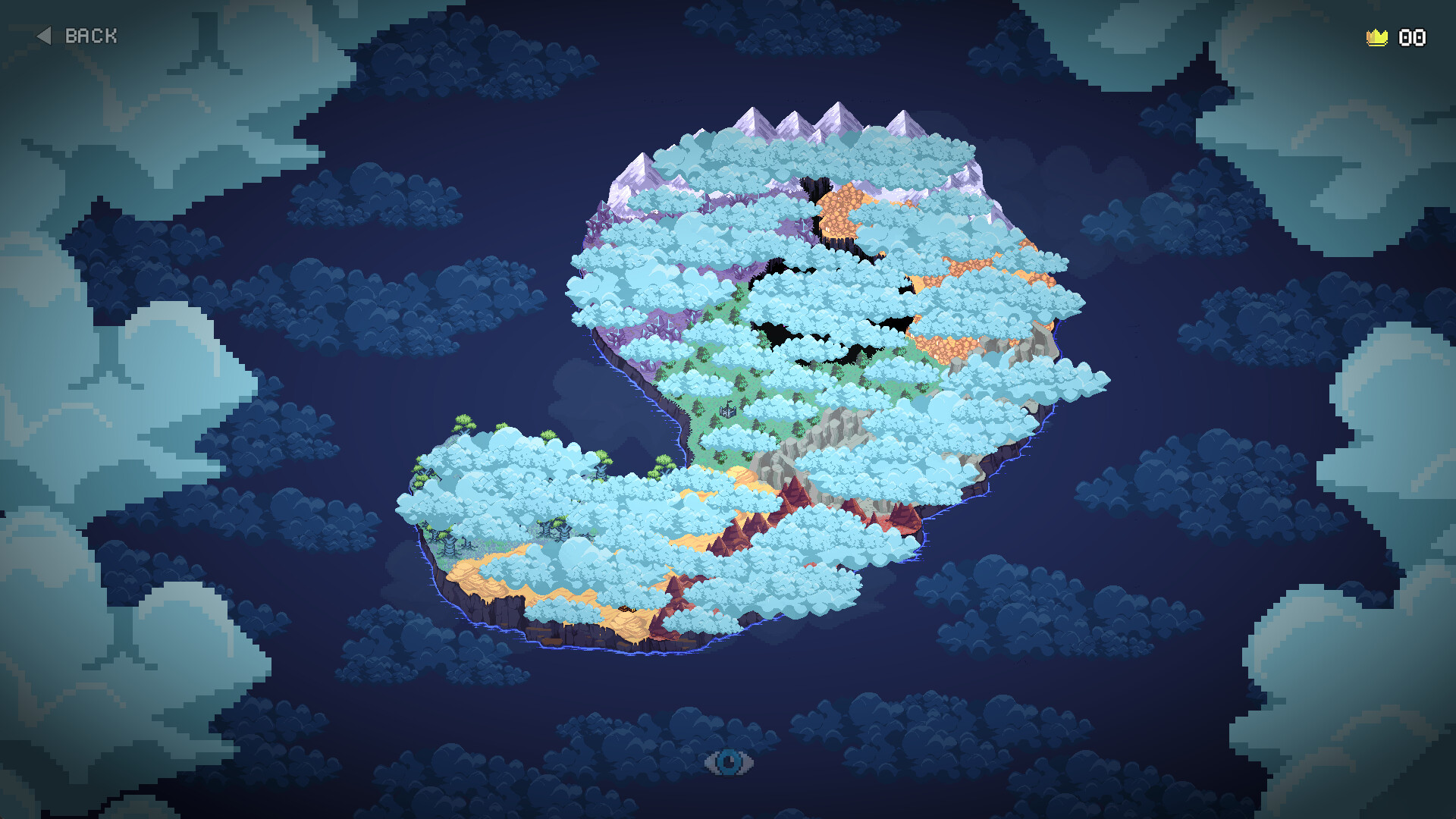
When another matching Troop card appears, think about levelling that supported plot. It may improve a group of troops that’s already benefiting from the buildings around it. If your defences are spread too thin, a new troop plot might still be the better answer. The map makes you choose.
You can also level up plots without playing a matching duplicate. Wildcard does exactly that, and other kings have their own ways to improve existing cards. With 9 Kings card upgrades, a good placement can be more valuable than filling every square as quickly as possible.
Should You Upgrade a Plot or Place Another Card?
There’s no answer that works for every run. Upgrade if the existing plot is already doing a lot of the work, especially when it benefits from nearby support. Add another plot if you need extra coverage, more units in a different place or a particular interaction with a neighbour.
One useful habit is to look at the damage numbers shown over plots after battles. They can help you see which part of your kingdom is actually carrying the fight. Once you understand 9 Kings card upgrades, you’re not just choosing the strongest card on offer; you’re working out where the next card will do the most good.
More 9 Kings Card Upgrades and Strategy Guides
- 9 Kings 1.0 Release Date: PC Game Pass, Four Game Modes and New Cards
- 9 Kings Quest Mode: How to Unlock It and How the 81 Challenges Work
- 9 Kings King Unlock Requirements: Spells, Greed, Blood and Time
- 9 Kings Multiplayer Explained: Async PvP, Casual Mode and Ranks
- Best Roguelike Games
- Best Indie Games
Official source: Sad Socket / Hooded Horse official 9 Kings documentation.