Ace Combat 7 post stall maneuver controls let compatible jets pitch sharply beyond their normal flight attitude, making tricks such as the Cobra and Kulbit possible. The catch is that you must slow down first and use the correct input sequence. Pulling back on the stick at full speed will not trigger one.
This is a genuinely useful technique to practise, but it’s easy to stall out in the wrong place or leave yourself exposed to an enemy missile. We’ll cover how to enter the manoeuvre, which aircraft support it and what to do when your jet refuses to respond.
Ace Combat 7 post stall maneuver: how to do it
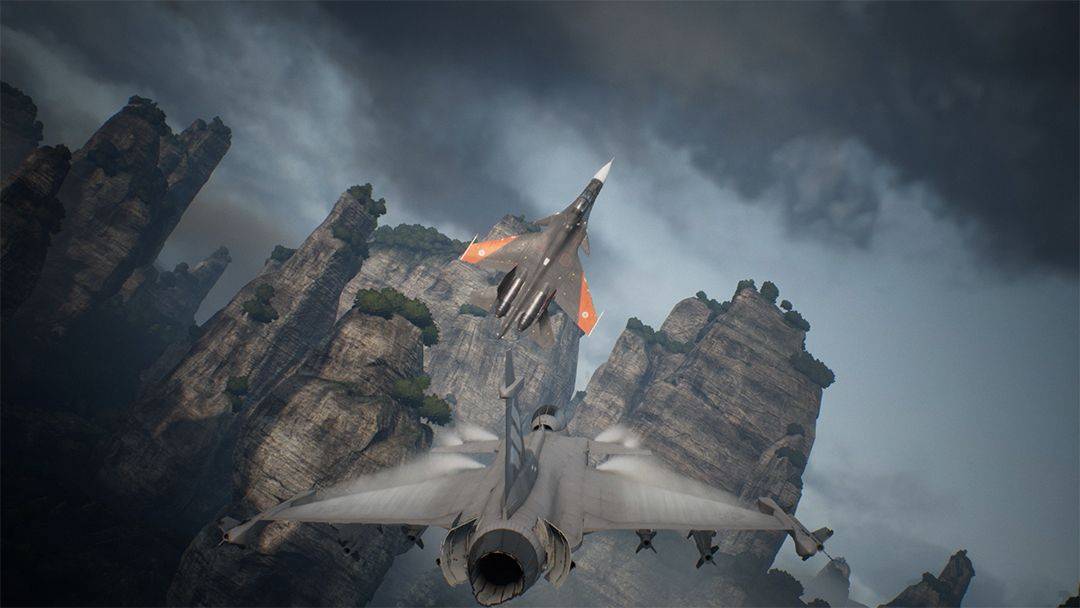
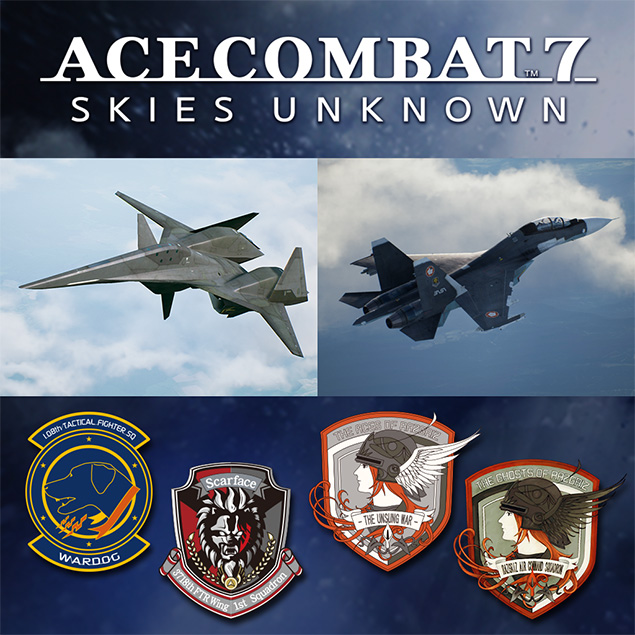
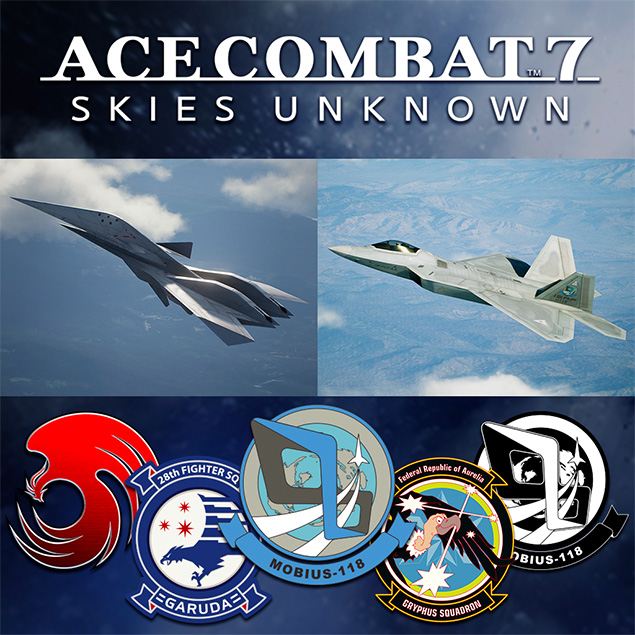
- Select an aircraft that supports post-stall manoeuvres. The F-22A or Su-30SM is a good option if you’ve unlocked one.
- Climb to a safe altitude in an open area. Do not practise close to the ground or a mountain.
- Reduce airspeed to around 450 km/h (240 knots) or less.
- Release directional input so the left stick is centred, then hold throttle and brake together.
- Immediately pull the stick back or apply the desired directional input to bring the nose into the post-stall movement.
- Recover by releasing the inputs, adding throttle and returning to normal forward flight.
The timing is important. You need to be slow enough, briefly neutralise the directional control and then apply the combined throttle/brake input before pulling into the move. Trying to do everything at exactly the same moment often makes the aircraft perform an ordinary pitch-up instead.
Which aircraft support the Ace Combat 7 post stall maneuver?
| Aircraft | PSM ability |
|---|---|
| F-22A Raptor | Full, including Kulbit |
| Su-30SM | Full |
| Su-35S, Su-37, Su-47, Su-57 | Full |
| X-02S Strike Wyvern | Full |
| F/A-18F Super Hornet | Partial, Cobra only |
| F-35C Lightning II | Partial, Cobra only |
| MiG-29A, Su-33, Su-34 | Partial, Cobra only |
The table shows useful examples from the base game’s roster. Several DLC planes can also perform PSM, but owning a DLC aircraft is not required to learn the technique. The essential distinction is between full PSM, which permits more dramatic rotations, and partial PSM, which is limited to Cobra-style moves.
Don’t assume that every late-game aircraft can do a complete Kulbit just because it has excellent manoeuvrability stats. Plane compatibility is a separate rule, so check the list before wondering why a particular jet stops partway through the movement.
Ace Combat 7 post stall maneuver: Cobra versus Kulbit
A Cobra is the sharp nose-up movement where the aircraft briefly pitches up dramatically before returning towards level flight. It can help change your relative position against an opponent, but it costs speed and requires space to recover.
A Kulbit is a much more complete rotation that brings the aircraft’s nose around in a tight loop. Only fully compatible aircraft can perform it in Ace Combat 7. Just because a plane can briefly lift its nose into a Cobra does not mean it can complete the full manoeuvre.
Ace Combat 7 post stall maneuver not working?
If the Ace Combat 7 post stall maneuver does nothing, check your airspeed first. This is not a normal high-speed turn. Next, make sure the aircraft you’re flying actually supports PSM and that you’ve returned the directional stick to neutral before holding throttle and brake.
- Too fast: slow to roughly 450 km/h or lower before starting.
- Stick never centred: release your directional input for a moment before the combined throttle-and-brake input.
- Wrong plane: switch to a known compatible aircraft rather than guessing.
- Partial PSM aircraft: a Cobra is possible, but a full Kulbit isn’t.
- Custom controls: check the in-game controller or keyboard layout for throttle and brake; never assume the same buttons on every platform.
For PC keyboard users, the exact keys depend on your configured controls. On PlayStation and Xbox the relevant inputs are the actual accelerator and decelerator controls assigned to your chosen layout. If you use remapped controls, look up those commands in the options rather than copying somebody else’s button labels.
When is an Ace Combat 7 post stall maneuver worth using?
A successful PSM can help rotate your nose toward an opponent who has flown past you, particularly in close dogfights. It can also be a fun way to practise advanced aircraft handling in Free Mission. But you’re trading a lot of speed for that rotation, and a nearly stationary jet is an easy missile target.
Use it high above the terrain and only when there is enough space to build speed afterwards. If you’re flying a timed score mission, remember that fancy manoeuvres rarely compensate for losing half your airspeed and having to accelerate all over again.
To practise the Ace Combat 7 post stall maneuver, start with a compatible jet in a mission you know well. Once you can repeatedly enter and recover from a Cobra, try a full-capability aircraft for a Kulbit. That is a much better progression than attempting a showy move while a mission target is escaping.
For the aircraft themselves, see Ace Combat 7 Aircraft Tree and Ace Combat 7 Best Aircraft.
Ace Combat 7 post stall maneuver: Related Guides
Official source: Bandai Namco Ace Combat 7 official website.