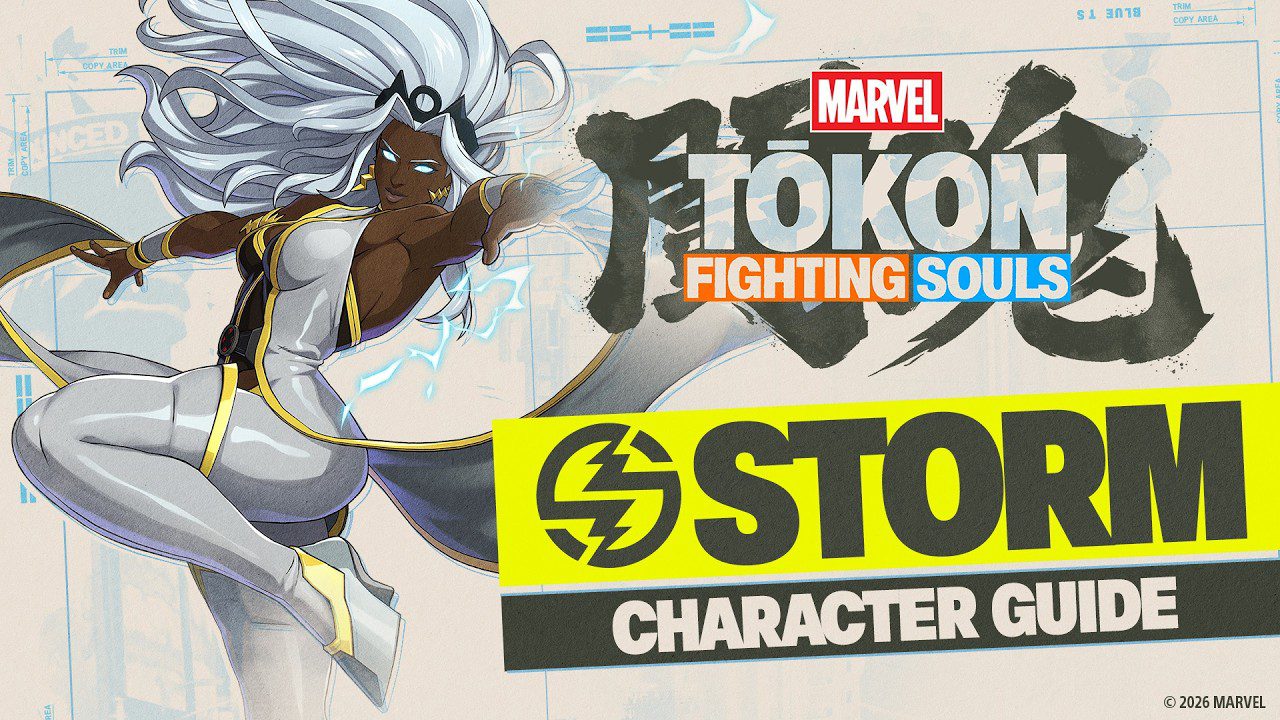
Storm MARVEL Tōkon Guide
screen-control zoner with airborne movement
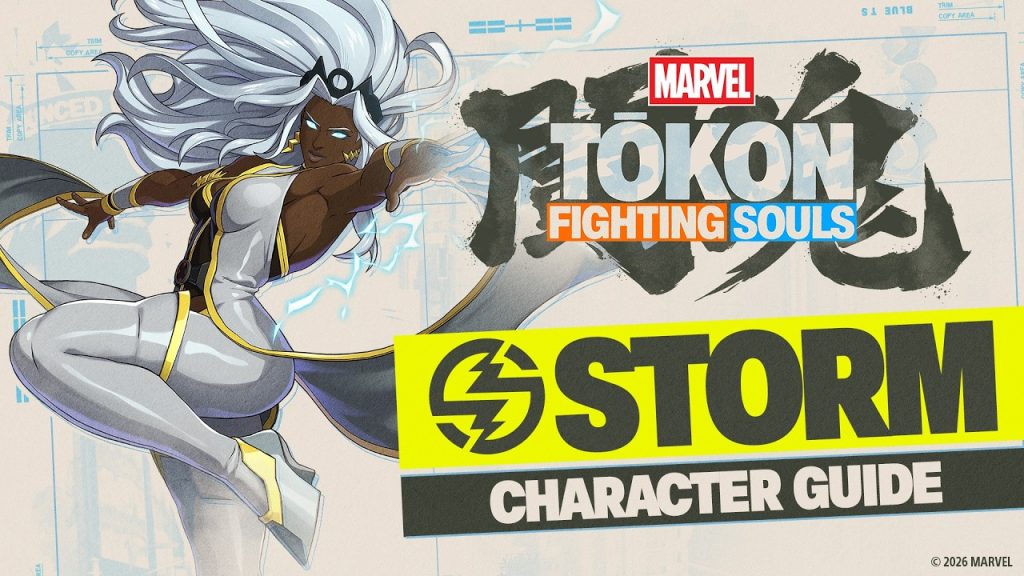
Storm MARVEL Tōkon is a Advanced-friendly screen-control zoner with airborne movement in MARVEL Tōkon: Fighting Souls, and the easiest way to understand the character is to focus on how their strongest tools create the next opening. Use medium-range buttons and projectiles to control the lane, then change height and side with Tempest while an assist covers the approach. The key tools to recognise are Tempest, Lightning Strike, Whirlwind, Free Flight, with assists turning many of those ideas into safer pressure or more reliable conversions.
How to play Storm in MARVEL Tōkon
The big strength of Storm MARVEL Tōkon is identity. This is not a character who needs to copy a generic game plan and hope the universal systems do all the work. Storm has a clear way of controlling space and a clear moment where the player should switch from patience to pressure. Learning that rhythm is more valuable than memorising a huge combo on day one.
For beginners, the first goal with Storm MARVEL Tōkon should be one dependable neutral button, one Skill that confirms a hit, one anti-air answer and one assist call that covers movement. MARVEL Tōkon is a four-character team fighter, so a solo plan only takes you so far. Assists let Storm turn risky movement into protected movement and turn awkward hits into stable damage.
The difficulty rating here is Advanced. That does not mean new players should avoid the character. It simply describes how many moving parts are involved before Storm MARVEL Tōkon feels consistent. Beginner characters reach their basic plan quickly, while Advanced fighters ask you to manage extra movement, resources, traps or state changes before their strongest sequences become reliable.
Storm strengths, weaknesses and team role
When building a team around Storm MARVEL Tōkon, think about what the character needs rather than simply choosing three other favourites. A shooting assist can help cover a forward approach, a vertical assist can discourage jumps, and an assault-style assist can make block pressure harder to escape. The best teammate is often the one that solves the exact space where Storm is weakest.
The strongest way to learn Storm MARVEL Tōkon is to separate neutral, pressure and conversion practice. Spend a few minutes learning how Storm reaches the opponent, then practise what happens after the opponent blocks, then finish with one combo that works from a normal hit. Trying to learn everything at once makes a tag fighter feel far more complicated than it needs to be.
Wall position matters a lot in MARVEL Tōkon because stage transitions and wall carry can change the resources available to a team. Storm MARVEL Tōkon players should notice which tools move the opponent horizontally and which end a combo close enough to continue pressure. You do not always need maximum damage if a slightly shorter route gives you a much better next situation.
Is Storm good for beginners?
Defense is part of the Storm MARVEL Tōkon game plan too. Guarding, Assemble Counter and Crossover give every team ways to survive pressure, but character-specific movement and long-range tools can often prevent the bad situation before it begins. The better you understand Storm’s preferred range, the less often you need to gamble on defense.
If you are deciding whether to main Storm MARVEL Tōkon, the simplest test is whether the core loop sounds fun. Use medium-range buttons and projectiles to control the lane, then change height and side with Tempest while an assist covers the approach. If that sounds like the kind of fight you want to play repeatedly, Storm is worth taking into training mode before worrying about tier lists or tournament results.
Storm MARVEL Tōkon also benefits from the game’s two Skill input styles. Quick Skills are easier while learning spacing and team mechanics, while traditional Command Inputs reward cleaner execution with slightly higher damage and Skill Gauge generation. You can learn the character with the easier input style and move across later without changing the underlying game plan.