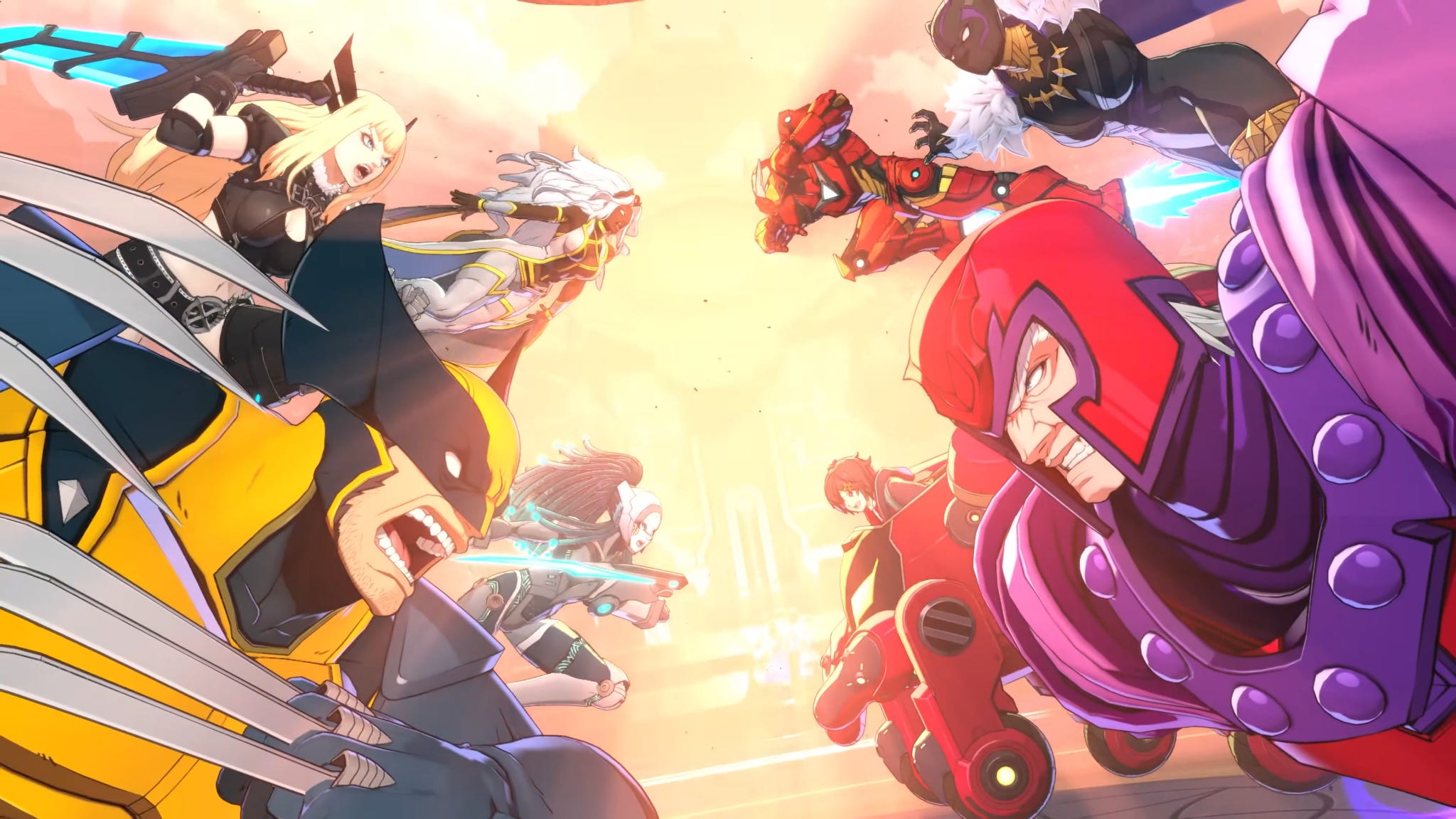
MARVEL Tōkon Combos begin with Link Attacks, simple repeat-button chains that teach the structure of the game before you move into character-specific routes. Light, Medium and Heavy each lead toward a different kind of finisher, so a useful beginner combo plan can be learned in minutes rather than hours.
| Starter route | Result |
|---|---|
| Light > Light > Light > Light | Chains into a Skill and can trigger a Break |
| Medium > Medium > Medium | Leads into a Super Skill |
| Heavy > Heavy > Heavy | Leads into an Ultimate Skill |
| Light > Medium > Heavy > Skill > Assemble Rush > follow-up | A more advanced team-assisted route |
Why Link Attacks Matter for MARVEL Tōkon Combos
Link Attacks are not just tutorial filler. They teach hit timing, confirm structure and the relationship between normal attacks and Skills. If a player can consistently recognize when the first hit lands, the route becomes a dependable way to convert an opening into real damage.
How to Add Skills
MARVEL Tōkon Combos become character-specific once Skills enter the route. Quick Skills make that transition easier, while Command Inputs can reward cleaner execution with slightly more damage and Skill Gauge. Learn the route with the simpler input first if motion inputs are causing dropped hits.
How to Add Assists
Once a solo combo is reliable, call an Assemble Assist near the point where the opponent would normally recover. The assist can extend pressure or create the opening for a Switch. Do not add three team mechanics to an unstable combo and then wonder why it falls apart.
Stage Breaks and Combo Value
A successful Break is more than visual spectacle because stage transitions can help assemble additional teammates. That means some MARVEL Tōkon Combos have strategic value beyond damage, especially early in a match when the third and fourth characters are not yet available.
Best Way to Practice Combos
Use Training Mode to make one route reliable on both sides of the screen, then practice after a jump-in, after a blocked sequence and after an assist. A combo that only works from one perfect laboratory setup is not yet a useful match combo.
Confirm the Hit Before Spending Bigger Resources
A short confirmed route is better than an Ultimate sequence that begins from a blocked Heavy attack. Practice recognizing the first successful hit, then finish the chain. This reduces wasted resources and makes the same combo useful against a moving, defending opponent.
Why Position Changes the Best Combo
Stage edges matter because specific attacks, throws and combo routes can trigger transitions or wall bounces. Near an edge, the best conversion may be the one that earns a Break and helps assemble another teammate rather than the route with the largest training-room damage number.
Character Guides and Training Mode are the right places to extend MARVEL Tōkon Combos beyond the universal chains. Learn one character-specific Skill conversion and one assist extension at a time, then keep the version you can actually reproduce under pressure.
Why Quick Skills Are Useful During Combo Practice
Quick Skills reduce the number of execution errors while you learn timing and route structure. Once the combo is stable, replace the simplified Skill with a Command Input if you want the slightly higher damage and extra Skill Gauge. This separates route learning from motion-input practice.
For MARVEL Tōkon Combos, consistency should be the first benchmark. If a shorter route lands ten times out of ten while a longer one lands twice, the shorter route is the useful match tool until practice closes that gap.
For the confirmed details used in this guide, see the official PlayStation MARVEL Tōkon information.