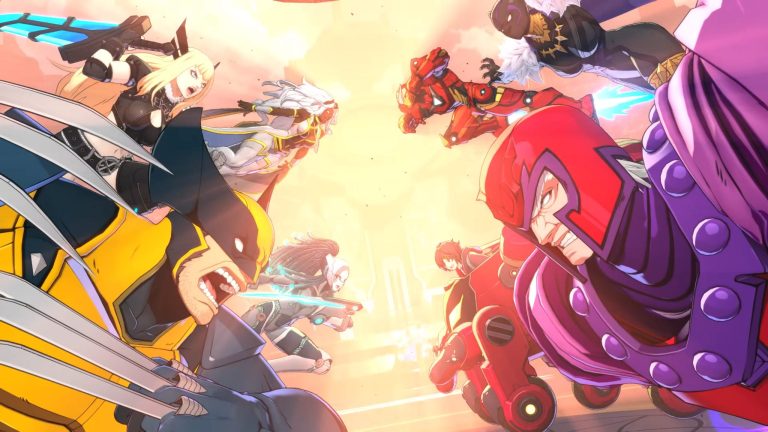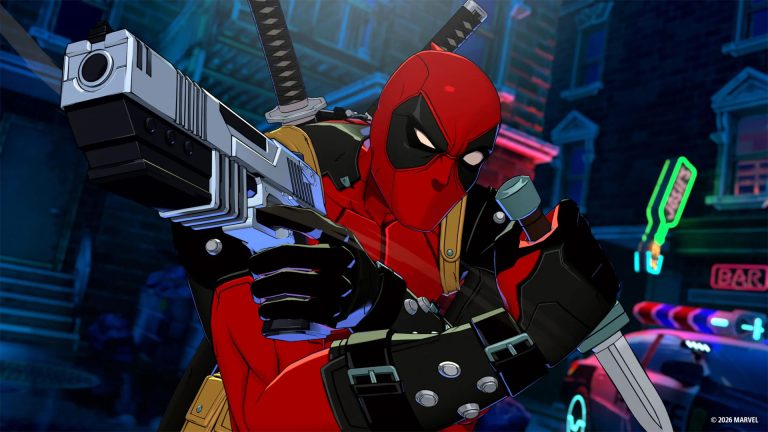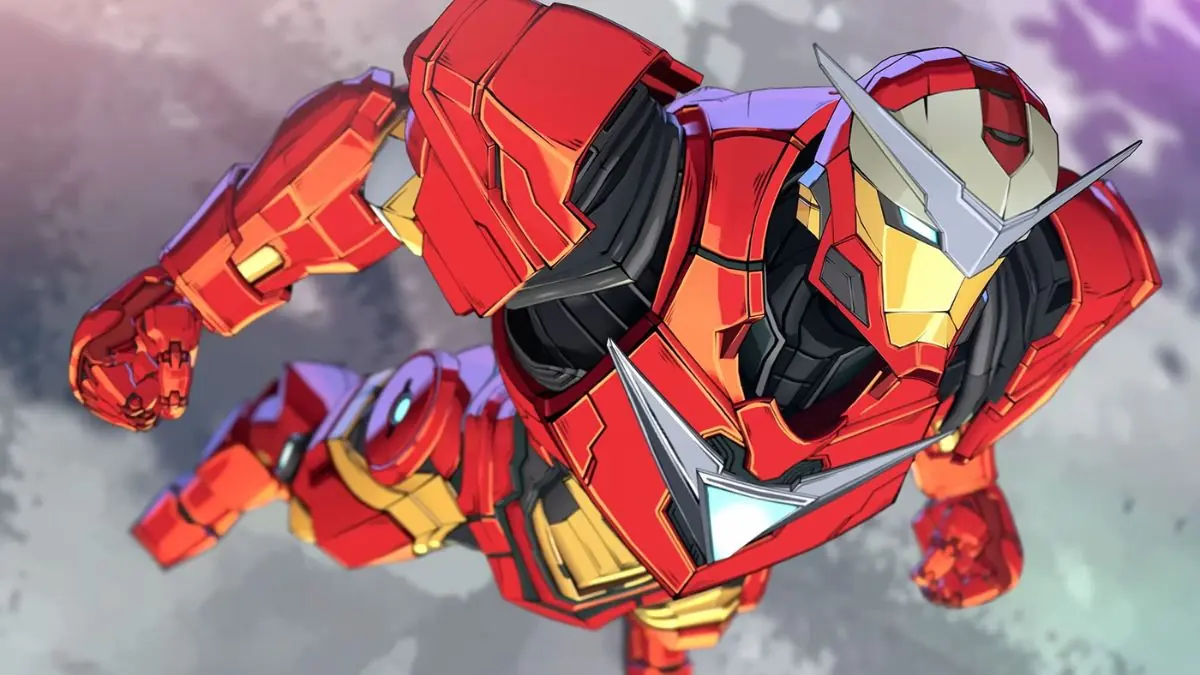
MARVEL Tōkon Iron Man is part of the Fighting Avengers launch roster and plays as a zoning and anti-air fighter. Iron Man controls the screen with armored firepower. He is one of the easier characters to learn, but his real strength is positional: make the opponent cross dangerous space, punish careless jumps and use assists to keep pressure intact when the fight gets messy. This guide focuses on the confirmed gameplay identity, signature tools and team role without turning the page into a move-list database.
How MARVEL Tōkon Iron Man Plays
MARVEL Tōkon Iron Man is best understood through the character’s central combat idea: space control, anti-air pressure and ranged punishment. Iron Man is designed to keep opponents at a distance with punishing ranged tools and anti-air coverage. That gives the character a practical identity before you start memorizing longer combo routes.
The useful starting question is not “what is every move?” but “what situation is this fighter trying to create?” For Iron Man, the answer is tied to zoning and anti-air fighter. Learn the attacks that establish that situation first, then add assists and character switches once the solo plan feels automatic.
Iron Man Strengths
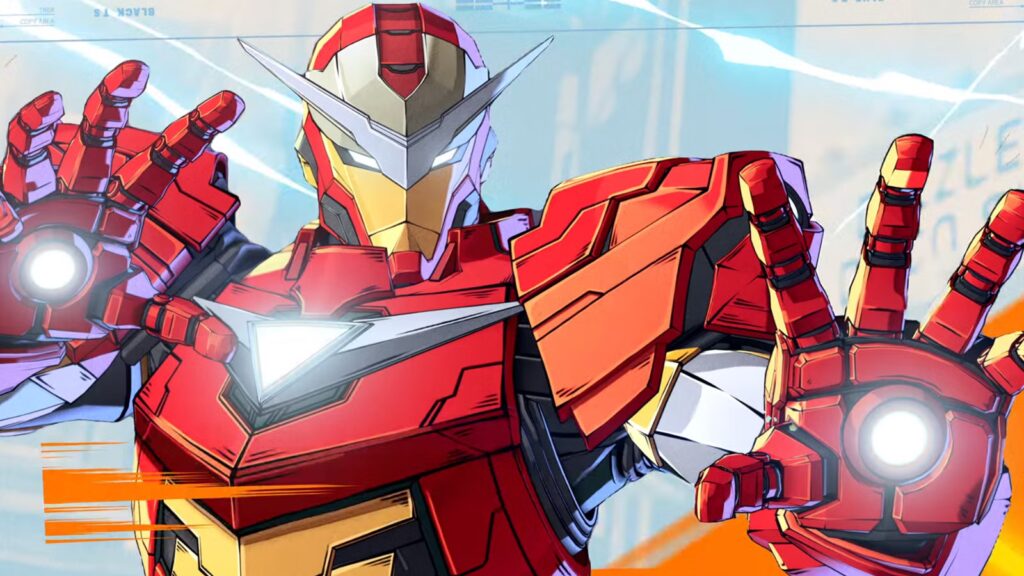
The main strengths of MARVEL Tōkon Iron Man are ranged damage, anti-air coverage, clear neutral-game goals and strong pairing potential with aggressive close-range fighters. Those strengths matter more in Tōkon than a simple damage ranking because every fighter can be supported by three teammates and a shared team health bar. A character with a clear job can remain valuable even when another team member is doing the current attacking.
| Area | What to know |
|---|---|
| Preferred range | Mid to long range |
| Core identity | Zoning and anti-air fighter |
| Signature tool | Space control, anti-air pressure and ranged punishment |
| Primary equipment | Repulsor technology and armored systems |
| Ease of use | Accessible |
What to Watch Out for With Iron Man
MARVEL Tōkon Iron Man is not strongest when every button is treated as interchangeable. Opponents who get past the preferred range can force faster decisions, so spacing and assist timing matter. That becomes even more important once assists are available, because a teammate can solve a bad range or cover an unsafe approach without changing the fighter’s core game plan.
Tōkon only gives access to the first two characters at the beginning of a match. More teammates become available after a successful stage transition or wall bounce, or after losing a round. That means early-round planning matters: put a character you are comfortable controlling near the front of the team instead of assuming all four tools are immediately available.
Best Team Style for MARVEL Tōkon Iron Man
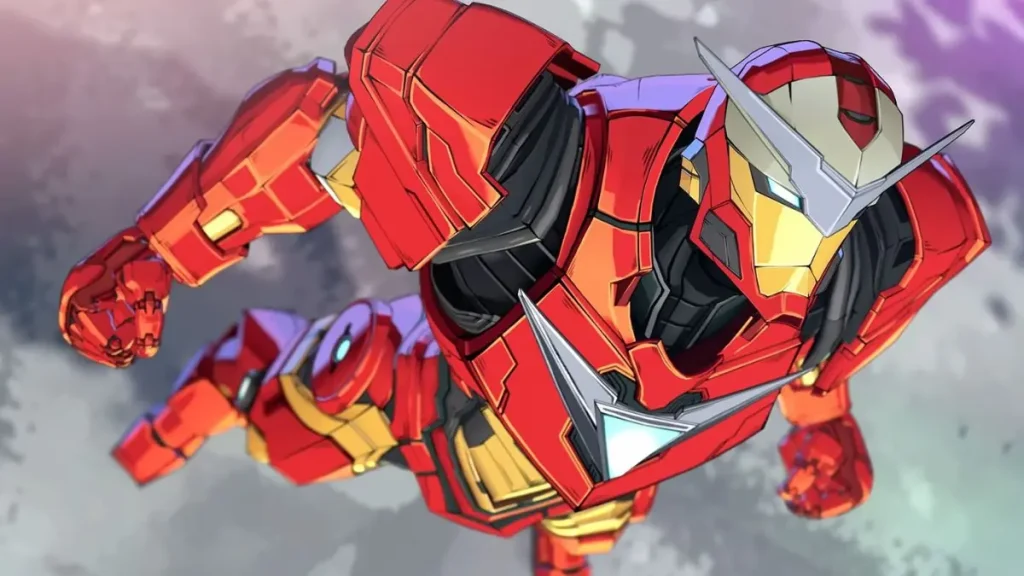
Iron Man is particularly useful beside melee characters such as Wolverine because his projectiles and anti-air tools cover the ranges they do not. The broader team-building rule is to cover more than one range. A four-character team made entirely from fighters who need the same space can become awkward, while a melee threat, a ranged option and one or two flexible support picks give you more answers.
Assemble Assist is the easiest team mechanic to add first. Pressing the Assemble button calls a teammate, while directional inputs choose which available partner responds. Direct switching can come later. For MARVEL Tōkon Iron Man, assists are most useful when they protect the character’s preferred range or keep an opponent occupied long enough to start the signature game plan.
Quick Skills, Command Inputs and Combos
MARVEL Tōkon supports both Quick Skills and traditional Command Inputs. Quick Skills simplify execution, while Command Inputs can provide slightly higher damage and more Skill Gauge. That makes Quick Skills perfectly sensible while learning MARVEL Tōkon Iron Man; there is no SEO-friendly prize for dropping a combo because you tried to become an arcade veteran in the first five minutes.
Start with the universal Link Attack chains: repeated Light attacks can flow into a Skill, repeated Medium attacks can lead into a Super Skill, and repeated Heavy attacks can lead into an Ultimate Skill. Once those routes are reliable, add the character-specific tools described above, then an Assemble Assist, then an assist-to-switch route. That progression teaches the actual Tōkon system instead of forcing a long notation sheet into your head at once.
Is Iron Man Good for Beginners?
Yes. MARVEL Tōkon Iron Man is one of the more approachable ways to learn the game. The character has a clear combat identity and does not require mastering every advanced team mechanic before basic attacks start making sense. You can learn neutral, defense and Link Attacks first, then expand into assists and switching.
For the current roster description and confirmed mechanics used in this guide, see the official PlayStation character information.